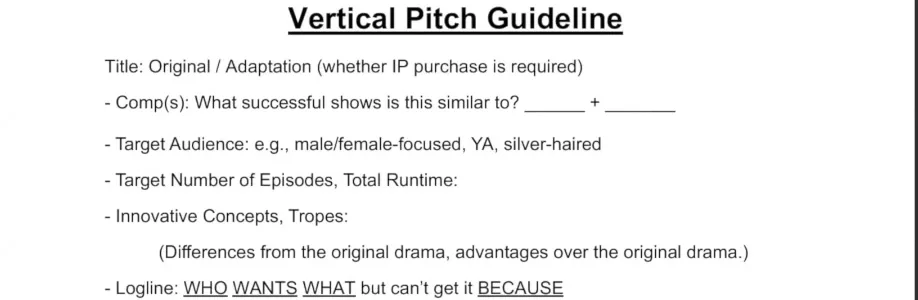
A long vertical short form series typically runs between 60 to 90 minutes in total length. The format breaks this total runtime down into bite-sized episodes of roughly one and a half minutes each. Zao Wang, an Apollo Award-winning director of over 15 vertical dramas and Leyline's brand-entertainment lead, states the format relies on a highly specific structural rhythm. The total runtime divides into distinct narrative cycles. Creators optimize episode lengths and immediate hooks to retain viewers who are simultaneously distracted by mobile notifications. Understanding exact page counts, episode durations, and cycle structures is a fundamental requirement for producing a long vertical short form series.
How long vertical short form series run on average
A complete long vertical short form series currently averages 70 to 75 minutes in total runtime. Zao Wang notes that the overall length generally falls anywhere between 60 and 90 minutes. This duration corresponds directly to a 70 to 75-page script.
The standard duration of a vertical series fluctuated significantly as the medium matured. In the early days of the format, specifically throughout 2023 and 2024, total runtimes were much longer. Shows often hit an average of 100 minutes. During that period, Wang directed projects reaching up to 120 minutes in total length.
Following that phase of longer productions, the industry saw a sharp contraction. Series lengths dropped drastically to as low as 50 pages or 50 minutes. After testing the extremes of 120-minute models and truncated 50-minute versions, creators and platforms found a reliable middle ground. The format settled into a sweet spot of about 70 to 75 pages. This translates directly to 70 to 75 minutes of screen time. This length provides enough narrative space to develop a complete story arc. It also keeps production costs and shooting schedules manageable for vertical platforms. Producing a long vertical short form series requires balancing this narrative space with strict budget constraints.
Translating page counts to runtime in a long vertical short form series
A script for a long vertical short form series uses roughly one page per minute as a planning convention. A 75-page script provides an initial estimate of about 75 minutes. Zao Wang discusses the full story's length in pages or minutes; these figures describe total runtime rather than a fixed episode count.
Use the page count to estimate how much material the production needs to capture. Wang describes shifts from longer shows toward scripts of about 50 pages, then a working target of around 70 to 75 pages. Individual episodes are roughly a minute and a half, with their actual lengths determined by the action and the planned cliffhangers.
Track estimated runtime alongside the page count when mapping narrative cycles and shooting schedules. Directors use the script to plan daily shoot requirements. Writers use episode breaks to time their narrative hooks. Revisit the estimate as dialogue, action, and edits establish the actual pace of the series.
The standard duration of a vertical short-form episode
An individual episode in a long vertical short form series runs for roughly a minute and a half. Creators design these bite-sized installments specifically for rapid consumption on mobile devices.
The total series length targets the 70 to 75-minute sweet spot. A standard vertical drama requires dozens of these 90-second episodes to complete the narrative. Wang structures these short episodes to deliver immediate story progression. This ensures the audience remains engaged through rapid, continuous viewing sessions.
The one-and-a-half-minute constraint dictates the pacing of the entire production. Every episode must function as a self-contained unit of entertainment. It must simultaneously drive the viewer to watch the next bite-sized installment. A long vertical short form series relies on this continuous momentum to retain viewers across dozens of episodes.
Comparing standard film scenes to vertical episodes
A standard film scene might take three to four minutes to build tension, deliver dialogue, and reach a resolution. In a long vertical short form series, that entire dramatic arc must compress into 90 seconds.
This compression requires a different approach to screenwriting and directing. Creators cannot rely on slow pacing or extended dialogue exchanges. Instead, they must accelerate the delivery of information. The 90-second runtime forces writers to eliminate any scene that does not directly advance the plot or escalate the central conflict.
Directors working on a long vertical short form series must adapt their visual storytelling to fit this compressed timeline. They must establish the setting, introduce the characters, and deliver the dramatic payload in a fraction of the time allowed in traditional cinema. This rapid pacing defines the aesthetic and structural rhythm of the vertical format.
Structuring a long vertical short form series into cycles
A long vertical short form series can be organized into narrative cycles of about 10 episodes. Wang gives five, six, or seven cycles as examples. These are approximate structural choices; the total number of cycles depends on the series runtime and the length of its episodes.
For an illustrative plan, choose the assumptions explicitly:
- Target total runtime: 75 minutes.
- Average episode duration: 1.5 minutes.
- Approximate episode count: 75 / 1.5 = 50.
- At about 10 episodes per cycle, this example contains roughly five cycles.
Six or seven 10-episode cycles would instead contain 60 to 70 episodes. At an average of 1.5 minutes per episode, that would run 90 to 105 minutes. Fitting those episode counts into a 75-minute story would require shorter average episodes. Keep these quantities separate when aligning plot developments, character reveals, and platform paywalls.
Writers and directors map the dramatic escalation by grouping episodes around narrative shifts. Each cycle introduces a conflict, escalates the stakes, and moves a storyline into its next phase. Choose the episode breaks and number of cycles to fit the full story and the platform brief, then check the resulting runtime.
The critical role of the first five seconds
The first five seconds of an episode in a long vertical short form series are the most important part of the show. Creators are actively fighting for audience attention against text messages and social media feeds.
Wang emphasizes that the opening moments must immediately hook the viewer regardless of the specific story. The mobile viewing environment is inherently hostile to sustained attention. An audience member watches a long vertical short form series on the exact same device that delivers their text messages, Instagram feeds, and push notifications.
The audience will swipe away if the first five seconds fail to capture attention. The competition for the viewer's focus includes the entire ecosystem of the smartphone. The opening of every one-and-a-half-minute episode must be visually arresting. It must be narratively urgent enough to override the viewer's impulse to check other apps. A successful long vertical short form series depends entirely on mastering this five-second window.
Managing production costs and shooting schedules
The 70 to 75-minute runtime of a long vertical short form series keeps production costs and shooting schedules manageable for vertical platforms. The industry tested longer and shorter formats before settling on this standard.
During the period when shows averaged 100 to 120 minutes, productions required more shooting days and larger budgets. When lengths dropped to 50 minutes, the reduced runtime lowered costs but provided less narrative space. The current 75-minute standard balances the need for a complete story arc with the financial realities of mobile-first entertainment.
Directors like Zao Wang use approximate page counts and narrative cycles to plan their shooting schedules. Keeping runtime estimates visible helps production teams assess how much material they need to capture. Adjust those estimates to the actual episode pacing as the script and edit develop.
Frequently asked questions
How long is a long vertical short form series in total?
A long vertical short form series typically runs between 60 and 90 minutes. The current industry sweet spot is 70 to 75 minutes. This duration equates directly to a 70 to 75-page script.
How long is a single vertical episode?
A single vertical episode is approximately one and a half minutes long. Creators design these bite-sized episodes specifically for rapid, mobile-first consumption.
How many episodes are in a vertical series cycle?
Wang describes a narrative cycle as about 10 episodes. The full show's cycle count depends on its runtime and episode duration. For example, a 75-minute story averaging 90 seconds per episode would have about 50 episodes, or roughly five cycles of that size.
How long were vertical series in 2023?
In 2023 and early 2024, vertical series were longer, averaging around 100 minutes. Some productions, including those directed by Zao Wang, reached up to 120 minutes before the industry standard decreased.
What is the most important part of a vertical episode?
The first five seconds are the most critical part of a vertical episode. Creators must immediately capture the viewer's attention to prevent them from switching to text messages or Instagram feeds.
Comments
Sign in with your Leyline account to join the conversation.