AI Character Creation for Filmmakers
AI character creation is the process of using artificial intelligence to develop characters for narrative media. This ai character creation filmmaking guide explains how to move beyond static images and craft a personality that drives your story. The process is iterative, combining your creative vision with AI's generative power to build depth, backstory, and unique visual traits for any ai character. Following this guide ensures a structured approach to character creation.
What is the first step in AI character creation?
The first step in AI character creation is to establish a detailed character bible. This foundational document, also known as an IP show bible, ensures narrative and character consistency before you begin using any generative AI tools. It's a place to define your character's traits, backstory, and the world they inhabit, providing a clear and consistent guide for all subsequent AI-generated content. This is a non-negotiable first step in this ai character creation filmmaking guide.
An attendee described the preparatory work in the earlier cohort: "The very first thing that they did in the class was make sure that we were really clear on our Bible." Host Brian separately explained that a creator can keep their IP and character bibles in the production pipeline to support narrative consistency. These panel comments set the context for Vail's later character-creation demonstration.
How can AI help develop character backstories and worlds?
AI can act as a creative partner to develop character backstories and worlds by asking probing questions that challenge and deepen your initial concepts. By treating an AI language model like a collaborator, you can move beyond surface-level ideas and build a much richer narrative foundation. This iterative dialogue helps uncover details you may not have considered.
During the masterclass, a participant shared a concrete example of this process. After coming up with the name "Popcorn Elementary" for a school in their story, they asked ChatGPT (referred to as 'Gary') for feedback. The AI responded, "Why is it called Popcorn Elementary?" This simple question forced the creator to invent a backstory: "Because the town grew up around a popcorn factory." This detail not only enriched the world but also informed character decisions, such as whether the buttoned-up vice principal could say he works at "Popcorn Elementary" with a straight face. These AI-prompted questions became "very much part of my world and my Bible as I built this and created it." This technique is a valuable part of any ai character creation filmmaking guide.
What makes a memorable AI-generated character?
A memorable AI-generated character is built on four key elements: a clear identity, a defining flaw, a strong desire or want, and a compelling contradiction. According to AI filmmaker Alexander Vail, contradiction is the most important piece of this framework, as it creates depth and makes a character feel more human and less one-dimensional.
Vail breaks down this structure to make it actionable for creators:
- Identity: What is the character's core self, beneath any costume or exterior?
- Flaw: What is the recurring issue that gets them into trouble? For Homer Simpson, Vail notes, it's laziness.
- Want: What does the character desire above all else?
- Contradiction: What is the internal conflict that makes them interesting? Homer's laziness is contradicted by his deep love for his family.
By focusing on these four pillars, creators can guide AI tools to generate characters that are not just visually interesting but also narratively engaging. This framework is essential for effective character creation.
What is the process for creating an AI character from an image?
The process of creating an AI character from an image is an evolutionary one that requires time and development. While you may start with a single drawing or AI-generated image, that is just the beginning. The character's personality, history, and nuances must be developed over time, much like a photograph developing in a darkroom.
Alexander Vail draws a parallel to the work of legendary animator Chuck Jones, creator of Looney Tunes. Vail explains, "When an actor comes in, he has all this history and he can infuse the character... But when you're creating a character, you're just starting with an image, a drawing even. And so the process is a lot longer in order to really develop." This perspective sets the expectation that AI character creation is not an instant-result process. It's about taking that initial visual spark and iteratively building a personality around it, a core principle of this ai character creation filmmaking guide.
Generating an AI Character with Prompts: An AI Character Creation Filmmaking Guide
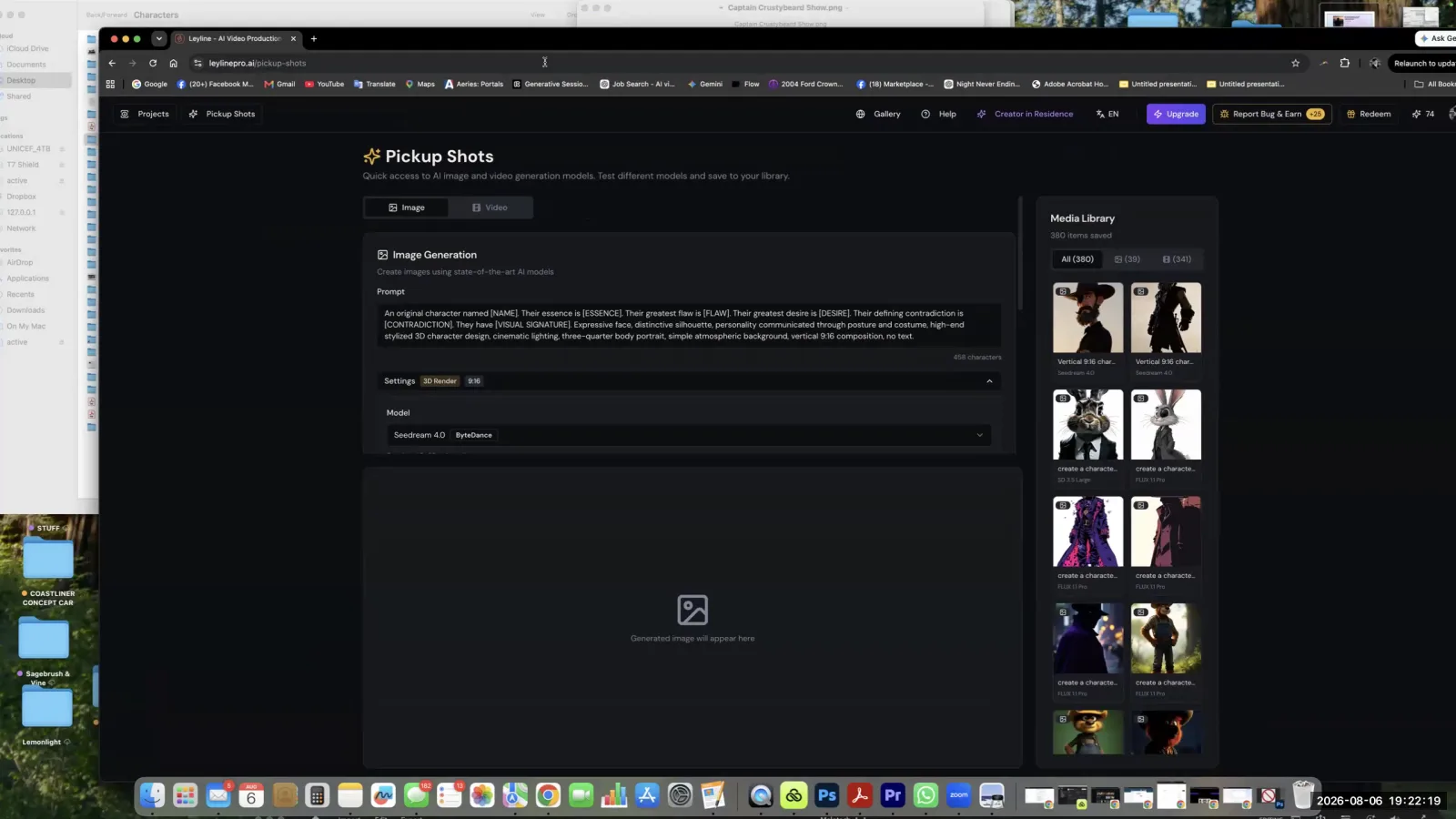
To generate an AI character using specific prompts, you can provide the AI with a simple but structured set of inputs: an original name, the character's essence (their role or archetype), their greatest flaw, and their greatest desire. This formula provides the AI with enough narrative material to generate a unique and story-driven visual concept for your ai character.
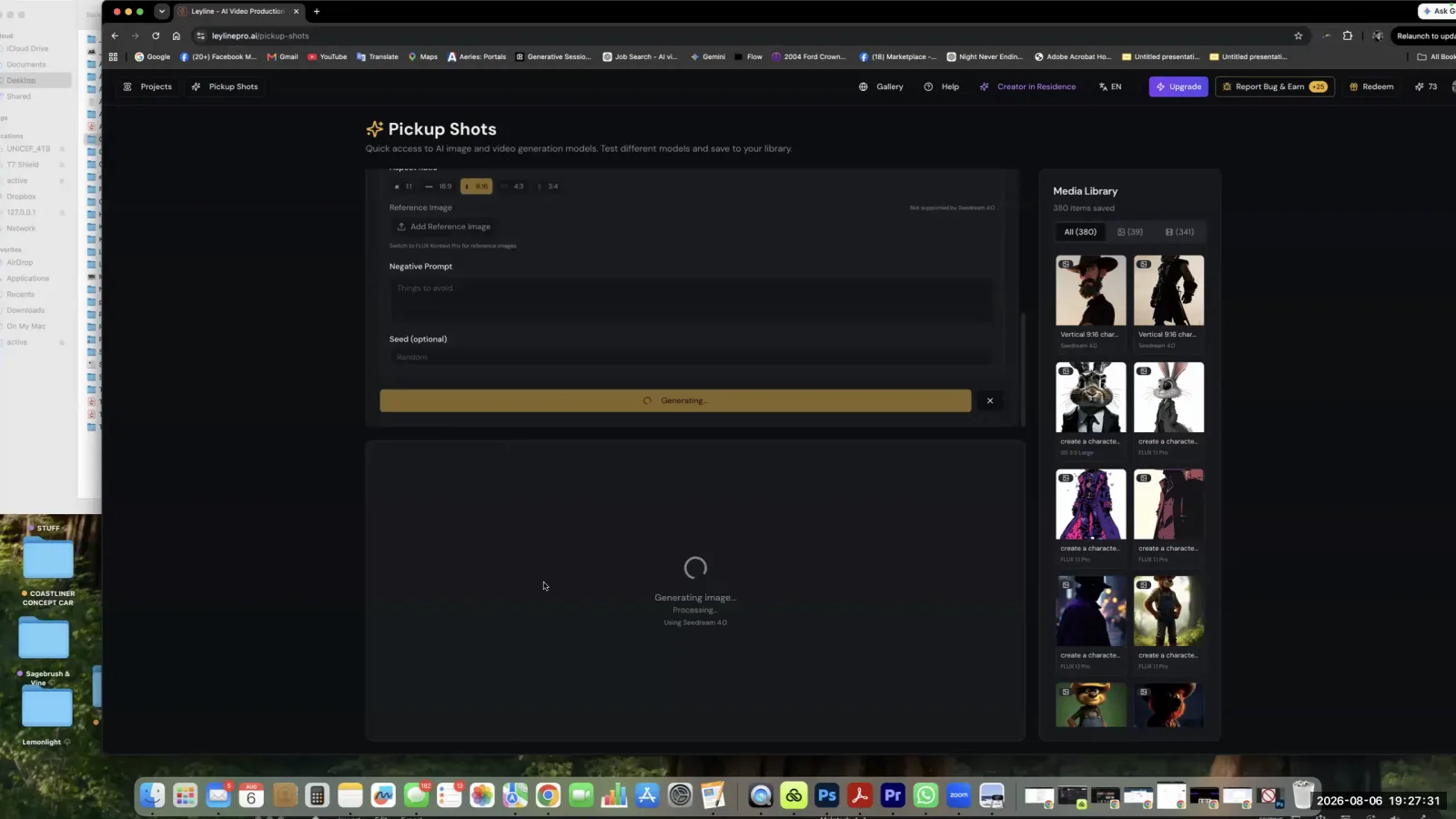
Alexander Vail demonstrated this live in his masterclass as a way to "get people's feet wet and just show how easy and fun this can really be." He outlined the prompt structure as follows:
- Original Character Name: Something unique.
- His Essence: Is he a fisherman, a cook, or a beach bum?
- His Greatest Flaw: This could be anything from vanity to impatience.
- His Greatest Desire: What drives him?
By punching these elements into an AI image generator like Leyline, you can quickly discover interesting visual starting points. This method transforms character creation from a blank page problem into a collaborative discovery process with the AI.
How should you handle unexpected AI character outputs?
You should embrace unexpected AI character outputs as potential "happy mistakes" that can lead to new creative directions. AI models can misinterpret prompts or generate artifacts, but these deviations from your original idea can often be more inspiring than a perfect execution.
Alexander Vail highlights this during a live generation where the prompt asked for a monocle, but the AI produced an eye patch instead. Rather than seeing this as a failure, Vail points out that this is part of the creative process. "There can often be happy mistakes," he says, a concept well-known in the art world. For example, the generated character "Fuddrucker" reminded him of Jim Carrey's Dr. Robotnik from the Sonic movies, sparking a new connection. This approach encourages filmmakers to remain flexible and open to the serendipitous moments that occur when collaborating with AI. This is a key takeaway from our ai character creation filmmaking guide.
Frequently asked questions
What is a character bible in AI filmmaking?
A character bible is a foundational document used in AI filmmaking to define your intellectual property and ensure narrative consistency. According to filmmaker Alexander Vail, you use it to "park your IP" so that as you generate content, the character's traits, voice, and backstory remain coherent. It is the cornerstone of the process outlined in this ai character creation filmmaking guide.
Why is contradiction important for an AI character?
AI filmmaker Alexander Vail states that contradiction is the most important element for a memorable character because it creates depth and complexity. A character with conflicting traits, such as a lazy person who is also a devoted family man, feels more realistic and engaging, providing a richer foundation for storytelling.
What's more important in AI character creation: the image or the personality?
According to Alexander Vail, the personality is the engine that creates the story. He realized that the potential of AI character creation "wasn't just creating a picture. The potential there was to create a personality." While you might start with an image, developing a compelling personality is what ultimately drives the narrative forward.
How did Alexander Vail create the characters for 'Night Never Ending'?
Vail's character creation process for his project 'Night Never Ending' began with a simple "what if" scenario. He asked himself, "What would happen if we had a character who was a stand-up comic... who had antlers, but never acknowledged them in his act?" This initial conceptual spark evolved into the unique anthropomorphic characters of his film.
Keep learning
This guide is part of the AI Character Creation and the Future of Vertical Dramas masterclass lesson.
Related guides:
Comments
Sign in with your Leyline account to join the conversation.