Vertical video dramas require highly specific narrative engines. These engines maintain viewer retention across dozens of micro-episodes. Zao Wang is Leyline's brand-entertainment lead. He is an Apollo Award winner. He has directed over 15 vertical dramas. Wang bases his development process on specific high-performing frameworks. Understanding the most popular genres vertical video dramas utilize is essential for creators.
A participant discussing the format alongside Wang noted a clear trend. These dramas thrive on themes like hidden identities, extreme marriage failures, and infidelity. These narratives have largely disappeared from modern traditional film and television. This absence creates a massive demand in the short-form market.
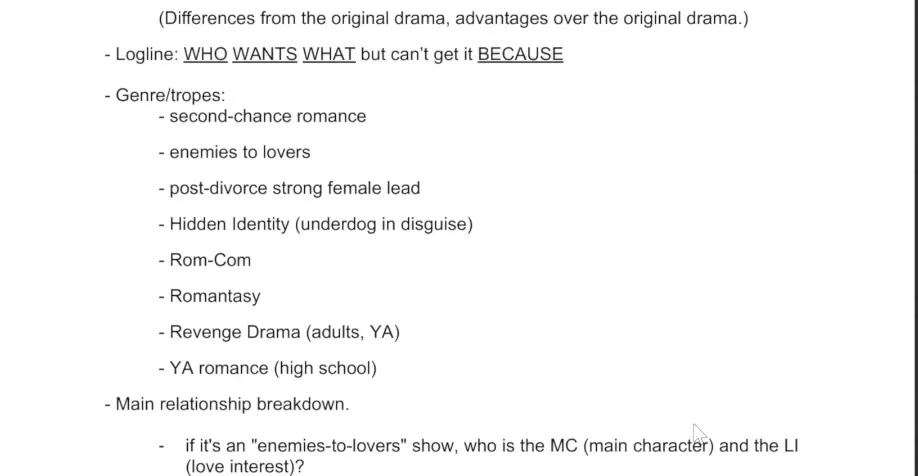
The dominant categories include second-chance romance, enemies-to-lovers, revenge plots, and romance-based fantasy. Creators design all of these to deliver immediate emotional payoffs. Viewers consume these micro-episodes rapidly. Therefore, the narrative engine must function efficiently. The frameworks these stories rely on provide this efficiency. They offer recognizable tropes. Audiences understand these tropes immediately.
What makes melodrama lead the popular genres vertical video dramas use?
Family melodrama is the most popular genre in vertical video dramas. When analyzing the popular genres vertical video dramas feature, family melodrama is the most prominent. A participant discussing the format noted that these stories succeed by leaning into extreme domestic conflicts. These conflicts include marriage failures and cheating. They fill a gap left by modern traditional media. Traditional television has moved away from these specific domestic storylines. Vertical dramas have captured this abandoned audience.
The appeal of the vertical format lies in its high-stakes emotional pacing. Creators focus on intense interpersonal conflicts. These conflicts resolve or escalate quickly within short episodes. A participant highlighted that audiences gravitate toward themes of infidelity and domestic betrayal.
These melodramatic structures provide a constant engine for conflict. They ensure viewers remain engaged enough to continue watching. Each micro-episode requires a hook. Melodrama supplies these hooks naturally through continuous interpersonal friction.
Despite the heavy subject matter, the tone of these dramas generally remains lighter. The heavy subject matter routinely includes broken marriages and severe betrayals. The focus is on the entertainment value of the conflict. Creators avoid gritty realism. By centering the narrative on family melodrama, creators guarantee a high frequency of dramatic confrontations.
A participant explicitly stated that melodrama is the number one thing. Romance is a permanent fixture within these melodramatic frameworks.
Key elements of family melodrama in vertical formats include:
- Extreme domestic conflicts driving the plot
- Marriage failures serving as inciting incidents
- Cheating and infidelity creating immediate tension
- High-stakes emotional pacing across micro-episodes
- Quick resolution or escalation of interpersonal conflicts
- Lighter tones applied to heavy subject matter
- High frequency of dramatic confrontations
Which romance tropes dominate the popular genres vertical video dramas?
The most successful romance tropes in vertical dramas include second-chance romance, enemies-to-lovers, and post-divorce narratives featuring a strong female lead. A participant noted that romance is a mandatory element in most vertical series. Romance drives the core narrative forward. It provides a reliable emotional anchor for the audience.
Specific romantic frameworks dominate the pitch guidelines and series bibles for short-form platforms. The enemies-to-lovers trope frequently involves professional sabotage. This sabotage provides active conflict.
For example, a participant described a specific plot structure. A character spends the first half of the show trying to ruin their rival. They attempt to ruin their rival's chance for a promotion. After this sabotage, they fall in love. This structure provides a clear midpoint shift for the series. It transitions the narrative from workplace warfare to romantic tension.
Another top-performing trope is the post-divorce, strong female lead. This narrative often begins with a terrible divorce. Alternatively, it begins with an escape from an abusive relationship. The protagonist faces the fear of being alone for the rest of her life.
This setup creates a redemption arc. She rebuilds her life and finds a healthier romance. These established tropes give writers a proven blueprint for structuring popular genres vertical video dramas. This ensures that the emotional hooks align with audience expectations for the genre.
Top romance frameworks include:
- Second-chance romance storylines
- Enemies-to-lovers dynamics with professional sabotage
- Post-divorce narratives focusing on recovery
- Strong female lead redemption arcs
- Workplace warfare transitioning to romantic tension
- Escapes from abusive relationships leading to healthier romance
How do hidden identity storylines fit into popular genres vertical video dramas?
Hidden identity storylines typically feature an ultra-wealthy character who loses their memory and lives in poverty. This character is often a billionaire or trillionaire. A participant explained the core conflict of this genre. The drama arises when a female lead treats the disguised billionaire kindly. Her kindness contrasts with the behavior of her abusive, wealthy boyfriend.
The hidden identity genre relies on extreme disparities in wealth and status. Creators strip a powerful character of their resources. This often happens through amnesia. The amnesia results in the character living as a homeless person.
This setup creates a clear moral test for the supporting cast. The protagonist's kindness toward the disguised billionaire guarantees a massive payoff. This payoff occurs when the character's true identity is eventually revealed.
This trope serves as a vehicle for both romance and revenge. The antagonistic characters eventually face retribution. The cruel rich boyfriend who treats the disguised billionaire poorly faces retribution from the reinstated billionaire.
The hidden identity framework allows creators to stretch the dramatic irony across multiple episodes. The audience knows the character's true status. The on-screen antagonists remain ignorant. This dynamic builds anticipation for the inevitable reveal. The reveal provides the ultimate emotional satisfaction for the viewer.
Hidden identity plots rely on:
- Ultra-wealthy characters (billionaires or trillionaires)
- Memory loss or amnesia as a plot device
- Extreme disparities in wealth and status
- Moral tests for the supporting cast
- Dramatic irony stretched across multiple episodes
- Inevitable reveals that provide emotional payoffs
- Retribution for antagonistic characters
Can fantasy and young adult formats rank among popular genres vertical video dramas?
Fantasy and Young Adult (YA) genres succeed in vertical dramas when they incorporate romance or strong redemption arcs. A participant noted that fantasy stories often use medieval settings. These settings feature chivalry and knights. YA dramas can thrive on enemies-to-friends and hidden identity plots.
Contemporary melodrama leads the market. However, genre fiction holds a significant share. Fantasy vertical dramas frequently adopt specific aesthetics. These aesthetics are similar to The Lord of the Rings or House of the Dragon.
A participant stressed a key constraint for these stories. They remain fundamentally romance-based. They focus on knights in shining armor and princesses. They avoid sprawling political epics. The fantasy elements serve primarily as a backdrop. This backdrop heightens the stakes of the central romance. The core narrative engine remains focused on interpersonal relationships.
In the YA category, romance is common. Notable exceptions exist. A participant shared an example of a highly successful YA short drama. They produced this drama with zero romance.
Instead, it focused on a hidden identity. It featured an enemies-to-friends dynamic. It relied on a core redemption story. This specific example proves a key point about the market. Romance is the dominant force. However, strong character arcs built around redemption and shifting allegiances can occasionally substitute for romantic subplots. These non-romantic stories can still perform exceptionally well.
How do popular genres vertical video dramas dictate pitch guidelines?
Genres dictate the exact structure of the pitch guideline and the series bible for vertical dramas. A participant explained the mandatory first step before structuring the bible. Creators must define the genre. They must decide if it is a second-chance romance or a revenge drama.
The series bible serves as the foundational document for any vertical drama. It outlines the character arcs. It details the episode breakdowns. It defines the core conflicts. Vertical dramas rely on high-volume, rapid-release schedules. Because of this, the bible must clearly establish the genre tropes early on.
Assume the pitch guideline specifies a post-divorce, strong female lead genre. The bible must map out the exact progression. It must track the journey from the initial abusive relationship to the character's eventual empowerment and new romance. Every micro-episode must align with this progression.
Understanding the specific narrative engines these formats require is a prerequisite. It is necessary for structuring the pitch guideline effectively. Platforms look for specific, proven narrative engines. They require these engines before greenlighting a project.
A participant noted that creators must align their bibles with established frameworks. These frameworks include enemies-to-lovers or family melodrama. This alignment ensures the project meets market demands. Without a clear framework, a project will struggle to maintain viewer retention.
Frequently asked questions
What is the most important element in vertical video dramas?
Melodrama is the most critical element in popular genres vertical video dramas. A participant discussing the format stated that family melodrama is the number one thing. Romance is almost always included. Romance drives viewer engagement and retention across short episodes.
What themes are common in vertical drama melodramas?
Common themes include severe domestic conflicts. These conflicts involve marriage failures, cheating, and abusive relationships. These intense, high-stakes narratives provide constant cliffhangers. They focus on storylines that a participant noted are rarely seen in traditional film or television today.
How is the enemies-to-lovers trope adapted for vertical dramas?
In vertical dramas, the enemies-to-lovers trope often involves intense, active sabotage before the romantic turn. A participant cited a specific example. A character actively tries to ruin another's chance at a promotion for the first half of the series.
Do all successful YA vertical dramas require romance?
No. YA romance is a popular genre. However, a participant highlighted a highly successful YA vertical drama they produced that featured no romance. It succeeded by focusing entirely on a hidden identity plot. It also used an enemies-to-friends dynamic and a strong redemption story.
Comments
Sign in with your Leyline account to join the conversation.