When you write vertical short drama script formats, you must adapt traditional screenwriting techniques to mobile-first viewing habits, aggressive paywall monetization models, and continuous conflict structures. The vertical format demands a high volume of short episodes that end on cliffhangers and avoid the dark visual aesthetics of traditional cinema. Zao Wang, Leyline's brand-entertainment lead, Apollo Award winner for Best Vertical Drama Direction, and director of over 15 vertical dramas, notes that successful scripts rely heavily on family melodrama and romance to retain distracted viewers.
How to write vertical short drama script structures
To write vertical short drama script structures effectively, writers must build narratives around a 10-episode paywall format and end every episode on a cliffhanger. The paywall monetization model directly determines the structural beats of a vertical drama script. Because platforms rely on subscriptions or pay-per-episode gates, Zao Wang states that writers must structure the narrative to force a purchase.
Writers cannot afford slow-burn resolutions. Every episode must end with an unresolved question, a shocking reveal, or a character in immediate jeopardy. The paywall placement dictates the rhythm of the story. The paywall model requires a fundamental shift in how writers view scene construction. Instead of building to a commercial break, writers build to a direct financial transaction. If a platform places a paywall after the tenth episode, the writer must ensure the climax of that specific episode compels a free viewer to become a paying customer. When you write vertical short drama script outlines, you must map these exact paywall gates before drafting the scenes.
Once a resolution occurs at the start of the next episode, Wang explains that it must flow directly into another immediate conflict. This constant cycle of tension and partial resolution keeps the viewer paying for the next segment. There is no room for the characters to rest or reflect. The resolution of one problem must instantly trigger the next obstacle. Writers must maintain this aggressive pacing throughout the entire production cycle.
What genres work best for a vertical short drama?
The most effective genres for a vertical short drama are family melodrama and romance, which maintain a lighter overall tone. According to Zao Wang, popular tropes include second-chance romance, enemies to lovers, revenge plots, and hidden identity storylines involving billionaires or trillionaires.
Wang emphasizes that romance is a mandatory element in these scripts. Specific character dynamics perform reliably well within the vertical format. Writers often use the following staple structures:
- A strong female lead navigating a post-divorce scenario.
- A traditional woman escaping an abusive relationship.
- A mother facing tormenting questions about her future, requiring a good friend or a new romantic interest to help her exit a bad marriage.
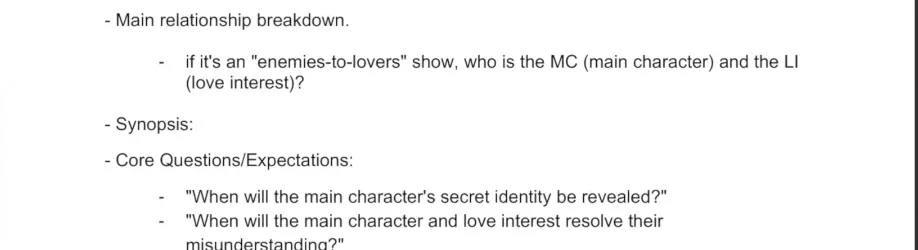
Another common framework is the enemies to lovers arc. In this structure, characters spend the first half of the series actively sabotaging each other. Wang notes that characters might fight over a workplace promotion before falling in love in the second half of the series.
Writers also frequently utilize the hidden identity trope, escalating the stakes from a secret billionaire to a secret trillionaire. Young Adult romance and revenge dramas also dominate the format, relying on high-stakes interpersonal melodrama rather than complex thematic storytelling. The vertical drama format relies on these familiar tropes because they immediately establish the stakes. The audience understands the rules of a revenge plot or a hidden identity storyline from the first episode. This allows the writer to skip lengthy exposition and jump directly into the conflict. When you write vertical short drama script drafts, these specific genres provide the necessary framework for high-volume production.
How long should a vertical short drama script be?
Zao Wang describes vertical-video episodes as roughly a minute and a half, with a complete series running around 60 to 90 minutes. His working target for the full script is about 70 to 75 pages or minutes. Use these as planning estimates and confirm the target platform's brief before locking episode breaks.
Keep total runtime, episode duration, and episode count separate in your outline. For example, a 75-minute story with episodes averaging 90 seconds would contain about 50 episodes. This calculation is a planning example; episode lengths can vary as the writer finds suitable hooks and cliffhangers. Each episode still needs a clear dramatic turn within the overall story.
Pocket FM illustrates a different, audio-first format. A creator familiar with that platform described scripted audio with accompanying video, episodes of roughly seven to 12 minutes, and runs of 100 to 3,000 episodes. Those figures describe Pocket FM's listening-oriented format. For a vertical-video script, plan against the intended video's runtime and delivery brief.
How do you maintain conflict across episodes?
Maintaining conflict in a vertical series requires treating the story as an extended second act where the protagonist's main desire remains unresolved. Zao Wang explains that writers must continuously thwart the main character's goals, either by repeating the same obstacles or by forcing the character's desires to evolve.
Wang compares this structure to television's extended second act: a short setup followed by repeated obstacles to the protagonist's goal. Within the planned run of a vertical series, each partial resolution should create the next conflict. Outline the complete story first, then decide which questions each episode answers and which it leaves open for the next installment.
In lazier scripts, Wang notes that the exact same narrative beat gets repeated. The character tries one method to achieve their desire, gets thwarted, tries another method, and gets thwarted again. The core desire never changes, and the obstacles become repetitive.
In stronger scripts, the narrative introduces dynamic shifts. The character's core desire changes as they encounter new obstacles, moving the story in unexpected directions while maintaining the continuous conflict required by the format. To write vertical short drama script arcs that succeed, writers must master this continuous conflict generation. The audience must believe the character is making progress, even as the writer introduces new barriers that prevent the final resolution.
How do viewing habits influence the writing and visual pacing?
Audience viewing habits dictate that vertical scripts must avoid dark, atmospheric scenes that fail to translate on mobile screens. Zao Wang points out that viewers consume these dramas on their phones during the day, in bathrooms, or waiting in line, which requires bright lighting and rapid editing.
The physical environment of the viewer changes the technical requirements of the script. Writers should avoid setting crucial plot points in dimly lit environments. While people scroll on their phones at night in bed, a significant portion of viewing happens during the day. Glare on a phone screen during daytime viewing will obscure the action in a dark scene.
Wang notes that vertical dramas are the opposite of a movie theater experience. The format sits halfway between traditional TV and mobile content. The script must account for a distracted audience. This means the pacing must be fast, the visual cues must be obvious, and the scene descriptions should favor brightly lit environments. The visual pacing must match the narrative pacing. Because viewers are often distracted, the script must clearly telegraph character emotions and plot developments. Subtle, dialogue-heavy scenes will lose an audience watching in a noisy environment. Writers must rely on clear actions and high-stakes confrontations. Writers must craft scenes that are visually legible on a small screen in suboptimal lighting conditions. When you write vertical short drama script descriptions, prioritize bright, easily readable locations.
Frequently asked questions
What is the most popular genre for vertical short dramas?
Family melodrama is the most popular genre for vertical short dramas. Zao Wang notes that these stories generally maintain a lighter tone and always incorporate romance, utilizing familiar tropes like revenge, hidden identities, and second-chance relationships to retain viewer attention.
How long is a typical vertical drama episode?
Zao Wang describes a vertical-video episode as roughly a minute and a half, within a complete series of around 60 to 90 minutes. Exact lengths depend on the project brief. The seven-to-12-minute episodes and 100-to-3,000-episode runs discussed for Pocket FM belong to its audio-first format.
How should a vertical drama episode end?
Every vertical drama episode must end on a cliffhanger. Zao Wang explains that this is a strict rule driven by the paywall model of short drama platforms. The unresolved tension forces the viewer to pay for the next episode to see the resolution.
How do writers handle scene resolutions in short dramas?
Writers handle scene resolutions by immediately transitioning into a new conflict. Zao Wang states that a cliffhanger's resolution at the start of a new episode cannot lead to downtime. It must instantly trigger the next obstacle to keep the story moving forward.
How do you write vertical short drama script formats effectively?
To write vertical short drama script formats effectively, you must focus on rapid pacing, continuous conflict, and bright visual settings. Writers must structure the narrative around paywalls, ensuring that every episode ends with high stakes that compel the audience to continue watching.
Comments
Sign in with your Leyline account to join the conversation.