AI Film Meaning: A Practical Guide to AI-Powered Storytelling
The ai film meaning centers on visual narratives created with artificial intelligence tools that generate images, video, sound, and scripts. This approach fundamentally shifts content creation from traditional pipelines to a more integrated, creator-driven process. The core ai film meaning is less about a specific aesthetic and more about its function: enabling individuals to produce and distribute stories that were previously impossible due to technical, financial, or institutional barriers. By lowering these barriers, ai filmmaking opens the medium to a wider range of storytellers and allows for the exploration of niche genres for specific audiences. This guide explains the practical ai film meaning for creators today.
The Core AI Film Meaning: Democratizing Storytelling
The primary purpose of AI filmmaking is to empower storytellers to create and publish visual narratives without needing deep technical expertise or permission from traditional industry gatekeepers. This democratization is central to the ai film meaning. It provides tools that remove technical and financial roadblocks, allowing a direct path from concept to audience.
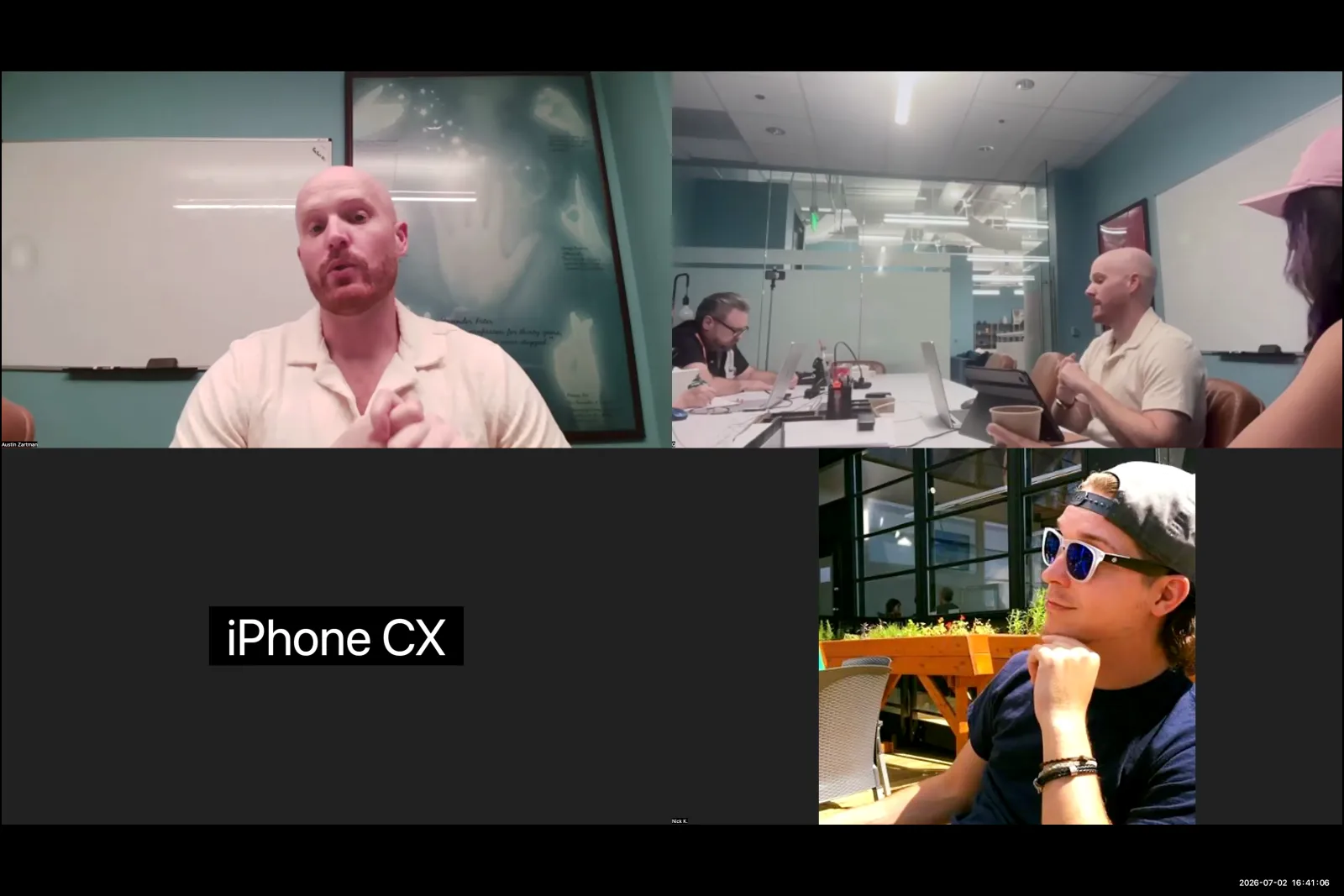
AI filmmaker Austin Zartman explains that platforms are being built to serve as creative studios where anyone who "doesn't understand tech so much but wants to tell the story will be able to join and with the help of AI... create and publish episodic like videos."
This shift accomplishes several key things:
- Lowers the Technical Barrier: Writers and creators no longer need to be experts in complex visual effects software or camera operation. The AI serves as the technical partner.
- Removes Gatekeepers: The traditional model requires creators to get approval from studios, producers, or distributors. AI filmmaking allows creators to self-produce and self-distribute.
- Enables Direct Audience Connection: As Zartman emphasizes, this technology allows creators to "bypass the traditional gatekeepers and say like, I'm done waiting for permission. I'm just going to make a thing, try and connect with an audience myself."
Ultimately, the ai film meaning is tied to this idea of creative freedom and direct access. It's about giving storytellers the agency to bring their visions to life on their own terms.
How AI Film Expands Narrative Possibilities
An ai film makes it possible to produce stories that were previously unmakeable due to budget constraints or the practical limitations of live-action production. This expansion of creative scope is a key part of the ai film meaning. It fundamentally changes what a small team or an individual creator can achieve.
For his own AI-driven series ASHES, Austin Zartman states plainly, "It wouldn't get made if it wasn't for the AI. It wouldn't get made." This highlights how AI is not only an alternative but often the only viable path for certain ambitious projects.
This is especially true for niche genres that lack mass-market appeal. Consider these examples mentioned by Zartman:
- A "micro drama fantasy"
- A "micro drama werewolf game"
Live-action production for such specific concepts is often too expensive to be profitable for a small audience. However, Zartman notes, "with AI, you can make anything." This capability allows creators to supply content for underserved audiences with specific interests. He predicts this will lead to a new wave of creativity where "stories that should have or should have ever have been made are going to be made." The result will be a diverse landscape of content, including experimental films that might make you think, "what the fuck did I just watch?" This exploration of the weird and wonderful is a direct result of the new creative freedom inherent in ai filmmaking.
What Defines a Successful AI Film?
A successful ai film leverages a strong, imaginative concept that would be difficult or impossible to create with live-action, rather than simply trying to replicate existing movies. The strength of this new medium lies in its ability to visualize the otherwise unfilmable. The criteria for success are different from traditional film, focusing more on the idea than the execution.
According to Austin Zartman, "all the AI shows that do well are not a recreation of the human, the live action ones... they're more like things that just there's absolutely no way you can do this in live action."
Key elements of a successful AI film include:
- A High-Concept Core: The story should be imaginative and unique, taking advantage of AI's ability to generate surreal or fantastical visuals.
- Prioritizing Idea Over Perfection: In this new medium, the concept is more important than technical flawlessness. Zartman points to the success of certain micro-dramas where scripts contain grammatical errors and awkward language. He notes, "doesn't matter. People will watch it if it's a great concept."
- Audience Connection: A successful project connects with a specific audience, even a niche one, by delivering a story that they cannot find elsewhere.
This suggests that audiences for AI-generated content prioritize novel ideas and imagination over flawless execution. The ai film meaning, in terms of success, is about the power of the original idea.
The Uncanny Valley: Why Realism Isn't the Goal
An ai film does not need to look realistic; in fact, it often works better when it embraces a more animated or stylized aesthetic. Attempting to perfectly mimic human actors and real-world physics can create an unsettling "uncanny valley" effect, which detracts from the story.
Austin Zartman explains this phenomenon: "if your show looks too much like a real person, but it's not, that that feeling kind of kicks in." This feeling of unease can pull the viewer out of the narrative.
Animation provides a better model for ai filmmaking because audiences are already accustomed to its non-realism.
- Suspension of Disbelief: Zartman says, "Animation is very good because people already there is that suspension of disbelief already, they don't mind... It's not a real person."
- Forgiving Aesthetics: This inherent acceptance of a stylized world makes animated aesthetics a more forgiving and effective approach for current AI video generation tools.
Avoiding the uncanny valley is a practical consideration that shapes the visual language of AI cinema. Part of the ai film meaning is discovering new visual styles that work in harmony with the technology's current capabilities, rather than fighting against them to achieve perfect realism.
The Evolving Role of the AI Filmmaker
AI changes the role of the filmmaker from a specialist into a multi-disciplinary creator who must handle multiple aspects of production. The traditional, siloed roles of writer, director, and designer merge into a single, more integrated function. Understanding this shift is crucial to understanding the modern ai film meaning.
Austin Zartman describes this as a necessary re-education for creators. "Everybody was kind of like pigeonholed into one role before. You're like a writer, you're either a director... you're a designer. Now you have to kind of do everything."
The AI filmmaker must become a generalist, wearing multiple hats to guide the entire creative process. Zartman notes that while creators used to wear one hat, "now everybody needs to have at least four or five hats. This is just the nature of the times." These roles often include:
- Writer: Crafting the script and prompts.
- Director: Guiding the AI's visual output and pacing.
- Designer: Defining the aesthetic and character models.
- Editor: Assembling the generated clips into a coherent narrative.
- Sound Designer: Creating or sourcing audio to accompany the visuals.
The AI filmmaker uses AI tools to execute tasks that once required a large, specialized team, becoming a one-person studio.
The Current and Future Impact of AI Filmmaking
AI is already a dominant force in certain forms of short-form digital content and is projected to significantly impact traditional television and film production in the near future. The current adoption rate indicates that the ai film meaning will soon be relevant to the entire media industry.
According to one creator in Zartman's masterclass, in the world of micro-dramas, "more than 90% of the hit content is already AI because this is inevitable." This demonstrates that in certain online ecosystems, AI is not an emerging trend but the established standard.
The same creator predicted this trend will expand rapidly, stating, "I think it's going to hit TV and films probably in a year's time, but it's going to come." This suggests that AI is not a distant future technology but a present-day reality in content creation that is quickly scaling. This rapid adoption requires creators across the industry to learn how to work with these new tools to remain relevant. The future of the industry will likely involve a hybrid approach, where AI tools are integrated into traditional workflows to speed up production and expand creative possibilities.
Frequently asked questions
What does AI film mean for independent creators? The ai film meaning for independent creators is empowerment. It means they can bypass traditional industry gatekeepers, produce their vision without waiting for permission, and connect directly with an audience. It provides the tools to turn a story concept into a finished visual product without a major studio's budget or infrastructure.
Can AI films be successful if they aren't technically perfect? Yes. According to AI filmmaker Austin Zartman, a compelling and imaginative concept is more important than technical perfection. He notes that audiences will watch content with flaws, such as scripts with grammatical errors, if the core story idea is strong and engaging. This focus on concept over polish is a key aspect of the current ai film meaning.
What genres are best suited for AI film? AI is particularly well-suited for niche, high-concept genres like fantasy, sci-fi, or werewolf stories that are too expensive for traditional micro-budget live-action. This allows creators to make content for hungry, underserved audiences that larger studios might ignore. The ability to serve these niches is central to the value of ai filmmaking.
Is AI filmmaking about replacing human jobs? The perspective shared by Austin Zartman suggests it's about changing creative roles, not eliminating them. This redefinition is a core part of the ai film meaning. Instead of highly specialized jobs, creators become generalists who manage writing, directing, and design with AI tools. The filmmaker must now wear "four or five hats" to bring a project to life.
Keep learning
This guide is part of the The AI Microdrama Workflow and Monetization Landscape masterclass lesson.
Related guides:
Comments
Sign in with your Leyline account to join the conversation.