Is AI Filmmaking Killing Creativity? An Expert's View
The question of whether ai filmmaking killing creativity is a central concern for artists today. AI tools offer production speed but introduce new creative hurdles. Instead of replacing artists, these tools shift the creative process. The modern ai filmmaker must focus on curating AI output, solving technical problems, and overcoming the tool's weaknesses. This guide explores why human creativity remains essential in the age of the ai, based on insights from practitioner Austin Zartman. The debate over ai filmmaking killing creativity is not about tools replacing artists, but about how artists adapt to a new workflow.
Why AI Filmmaking Demands More Creative Control, Not Less
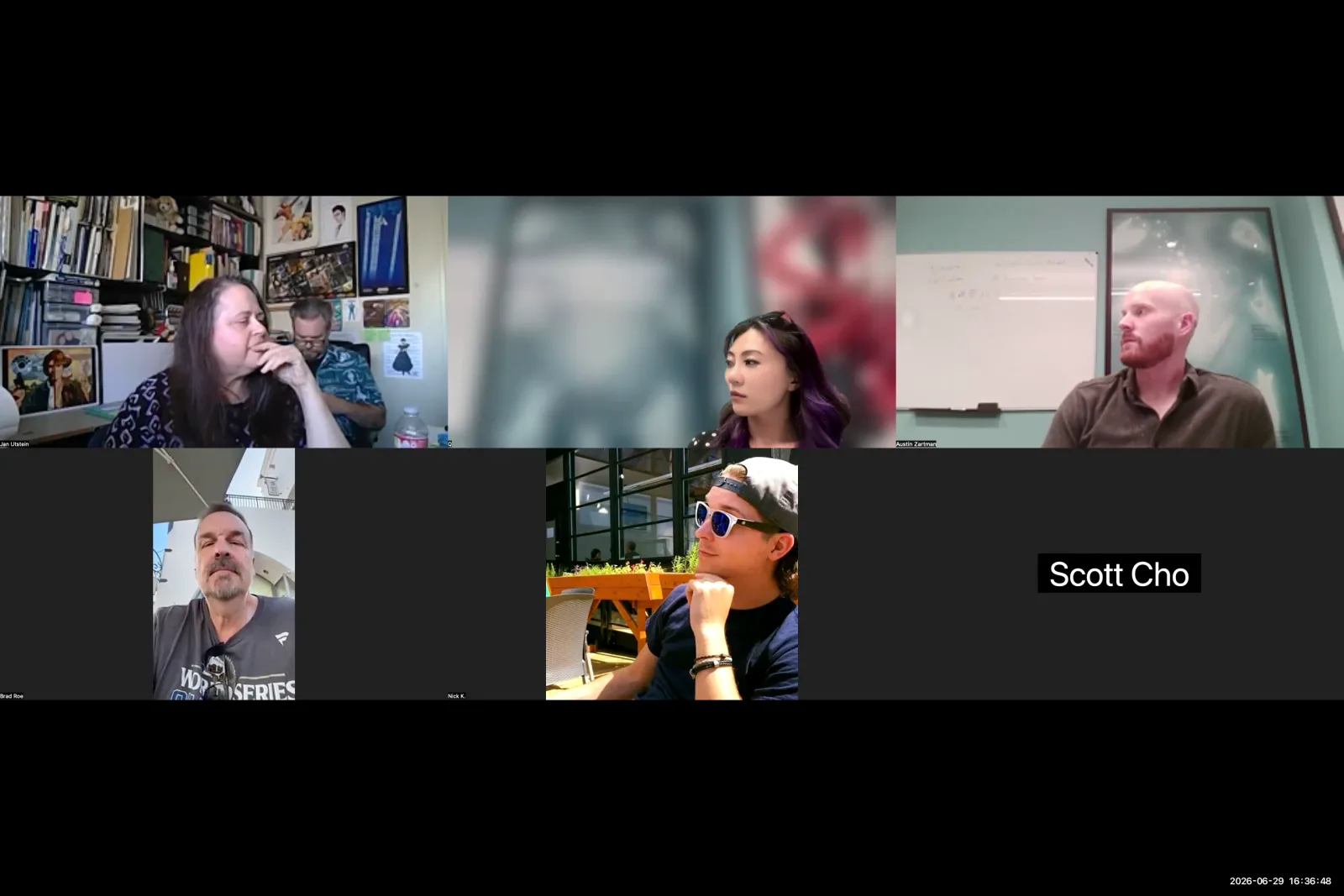
AI filmmaking does not eliminate the need for creative control; it makes it more critical. To achieve a specific vision, filmmakers must manually intervene and guide the technology, often using traditional editing software to assemble and refine AI-generated assets.
According to ai filmmaker Austin Zartman, moving AI clips into a standard editing program is "very empowering." This step provides "a lot more control over the video" and the ability to construct the "exact type of story that you want." This process is essential for shaping the raw, often disjointed output from AI models into a story with clear narrative intent.
AI platforms can automate some creative tasks, like generating shot lists. However, Zartman highlights that "there is a gap" between what the ai produces and what a filmmaker truly envisions. A human creator must bridge this gap. This involves:
- Downloading all generated video assets.
- Importing them into a non-linear editing (NLE) program.
- Manually assembling the sequence.
This editing stage is where the filmmaker’s unique style is applied. They can adjust pacing, choose the most effective takes, and create a rhythm that an AI cannot replicate on its own. This necessity shows that AI is currently a tool for generating content, not a substitute for a director's vision.
The Nuance Problem: A Core Reason for the "AI Filmmaking Killing Creativity" Debate
A key argument in the ai filmmaking killing creativity debate stems from AI's current inability to handle nuance, subtlety, and complex actions. AI models perform best with simple, direct prompts, which can force filmmakers to simplify their storytelling and avoid more intricate creative ideas.
Austin Zartman explains that AI models struggle with "half actions or the incomplete things." This limitation pushes creators toward "simpler, cleaner lines of action." It is difficult to portray complex character emotions or subtle plot developments when the tool itself prefers straightforward commands. This technical barrier often becomes a creative one.
Key limitations include:
- Difficulty with Subtle Actions: A scene where a character gently pushes another, who then recovers, is hard for an AI to generate. Zartman notes a single beat like this can take "10 to 12 seconds" to create. In contrast, a simple, direct action like a character falling off a cliff is much easier for the ai to process.
- Creative Bottlenecks: One masterclass participant called AI a "bottleneck" for writers trying to design specific characters, locations, and tones. The tool's constraints can get in the way of a detailed vision.
- Failure with Complex Instructions: Another user observed a practical limit: if they give an AI model one instruction, it works. If they provide three instructions at once, it fails. This forces creators to break down their vision into unnaturally simple parts, which can stifle creativity.
These issues are central to the discussion around ai filmmaking killing creativity, as they show how the technology can incentivize simpler, less nuanced narratives.
How AI Fails at Creative Consistency
AI models struggle to maintain creative consistency across multiple clips, especially with sound design and character appearance. This lack of continuity requires significant manual correction from an ai filmmaker to create a believable final product.
Inconsistent sound is often the "first indicator that something was AI," says Austin Zartman. He points out that video generation models are heavily optimized for visuals, with audio treated as a "secondary element." This can result in jarring and illogical soundscapes that an editor must fix or replace entirely.
Maintaining character consistency is another major challenge in ai filmmaking. Specific issues include:
- Inconsistent Voices: Zartman notes that even with advanced models like Kling, there is "no guarantee that they're going to be the same voice" from one clip to the next. This vocal inconsistency can break the audience's immersion in the story.
- Unpredictable Visuals: The same problem applies to a character's appearance or actions. A filmmaker trying to show a character's aura growing hotter might get random results. The AI could generate the aura as "10% hotter in one image and then the next one it's 20%, and then the next one's five."
These inconsistencies force filmmakers to spend considerable time in post-production to manually create the continuity that the AI fails to provide.
Does AI Lead to Formulaic Storytelling?
Yes, AI tools create a significant risk of making stories more formulaic by making core concepts easy to replicate. When anyone can generate a basic story, the creative focus may shift from unique plot development to building a personal brand to stand out.
One masterclass participant warned that AI could make stories "very, very formulaic." In a world where story ideas are easily generated, the creator's personality and direct connection with the audience become more important. The creator becomes the brand, or the "face behind your own show," because the story itself is less unique.
This trend toward generic content highlights the need for strong human direction. Another participant argued that AI-generated shows created without a clear, personal vision are simply "not good." The project has to be "your baby. You got to be directing it and telling other people to do it." This sentiment suggests that the most compelling work will come from creators who use AI to execute a distinct vision, not those who rely on it to generate one. Human creativity is the essential ingredient that prevents AI-assisted stories from becoming generic.
Frequently asked questions
Can AI replace a human film director?
No, AI cannot replace a human film director. According to participants in Austin Zartman's masterclass, AI-generated shows without strong human direction are "not good." A project requires a guiding creative vision, meaning a human must direct it to achieve a high-quality result.
Why is sound a problem for AI video generators?
Sound is a problem because AI video models are primarily optimized for visuals. AI filmmaker Austin Zartman states that sound is often a "secondary element" in these models. This leads to inconsistencies in voices and sound effects across clips, making it an obvious sign of AI generation.
Does AI struggle with complex creative instructions?
Yes, AI models often struggle with complex creative instructions. A masterclass user found that giving a model one simple instruction works, but giving it three at once fails. This limitation forces creators to simplify their commands, which can constrain more intricate or multi-layered storytelling.
What is the main benefit of using a traditional editor with AI footage?
The main benefit is gaining precise creative control over the final story. Austin Zartman describes moving AI assets into an editing program as "very empowering," as it allows a filmmaker to assemble the "exact type of story" they want, overcoming the automated limitations and creative "gaps" of AI platforms.
Keep learning
This guide is part of the Editing and Sound Design masterclass lesson.
Related guides:
Comments
Sign in with your Leyline account to join the conversation.