Vertical drama apps are mobile applications that host short-form, episodic video series designed to be viewed vertically. This format, often called "microdrama," has seen a surge in popularity with the rise of AI filmmaking tools. These platforms provide a new avenue for creators to produce and distribute content, with some apps like ReelShort and Drama Box creating their own series, while others like Odega focus on empowering independent AI filmmakers. The content often leverages a specific narrative structure to maintain viewer engagement on platforms like TikTok, where it has found significant success.
What is the structure of a vertical microdrama?
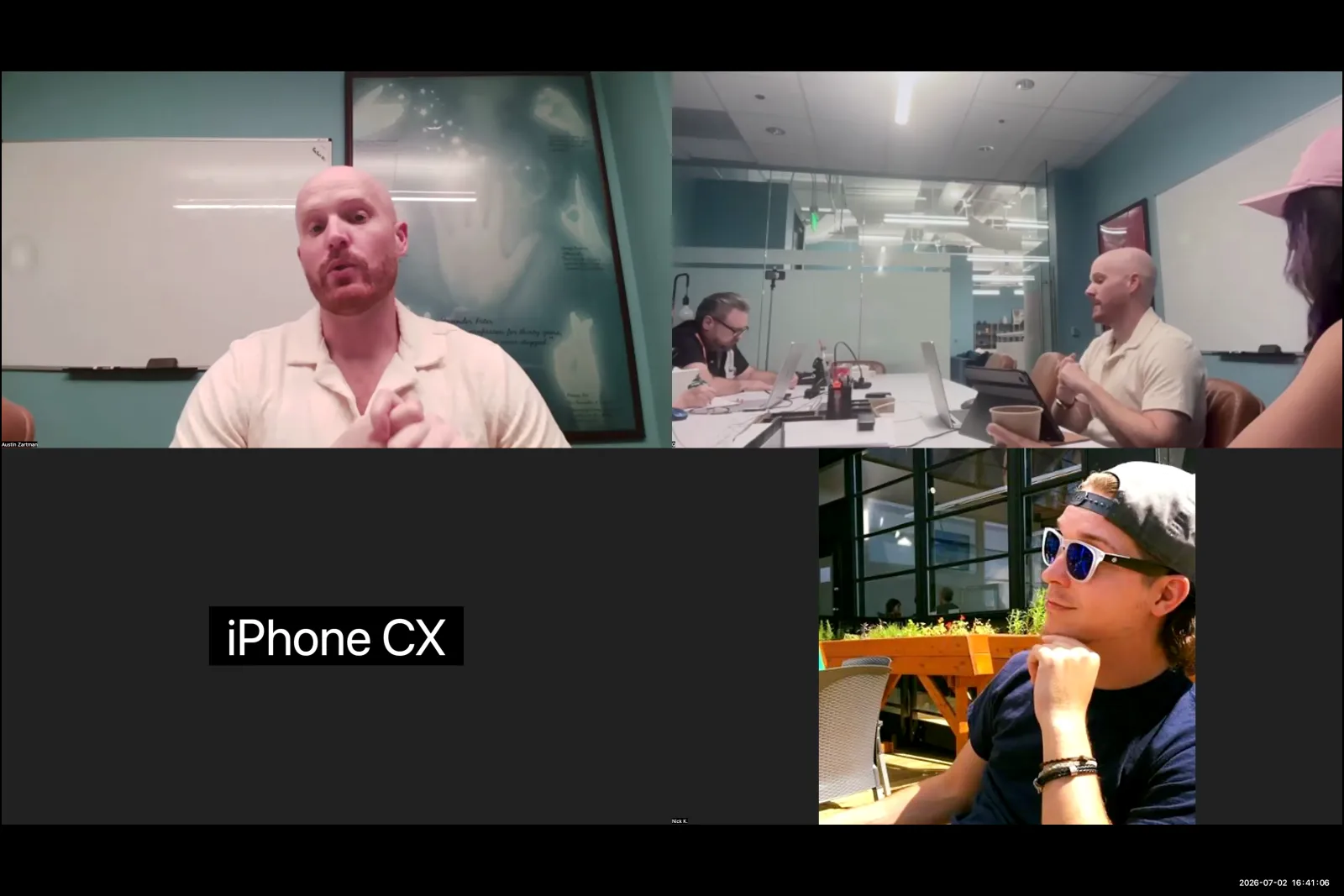
The structure for a compelling vertical microdrama is the "hook, turn, and cliff." AI filmmaker Austin Zartman explains this formula is designed to create one to two-and-a-half-minute episodes that hold a viewer's attention and leave them invested enough to watch the next installment. This narrative framework is essential for the short-form, episodic nature of vertical drama apps, where retaining audience attention from one short episode to the next is the primary goal.
In his AI filmmaking masterclass, Zartman detailed this three-part structure. The hook grabs the audience immediately within the first few seconds. The turn introduces a twist or significant plot development that changes the story's direction. The cliff ends the episode on a moment of high tension or an unanswered question, ensuring viewers return. This model is critical for the fast-paced mobile viewing environment.
What are some examples of vertical drama apps?
Key examples of vertical drama apps include large platforms like ReelShort and Drama Box, independent distribution platforms like Odega, and social media giants like TikTok. These platforms serve as the primary distribution channels for the growing wave of AI-generated microdramas, each catering to different production and distribution models.
The landscape includes several types of platforms. Major studios like ReelShort and Drama Box are known for creating their own series, often adapting from live-action to AI-generated content. In contrast, independent platforms are emerging to support individual creators. Yule Sloan, founder of Odega, described her platform as focused on "hosting series, like creating distribution" for AI microdrama creators looking to get their work out and monetize it. Odega, found at OdagaHQ.com, is built exclusively for vertical storytelling. Finally, mainstream vertical platforms like TikTok and YouTube have become massive stages for this content, giving independent creators direct reach to large audiences.
Why is AI content so successful on these platforms?
AI-generated content is successful on vertical drama apps because it allows creators to produce stories for underserved niche audiences at a low cost. Genres like fantasy or werewolf stories, which are too expensive for live-action microdramas, can be created efficiently with AI tools, satisfying a built-in demand.
As discussed in Austin Zartman's masterclass, live-action production is not cheap enough to justify making a "micro drama fantasy" or "micro drama werewolf game." However, these niches have "hungry audiences that read them online." AI filmmaking removes the high cost barrier, allowing creators to supply content for these specific audiences at a high volume. Because these fantastical niches are too small to justify a traditional production budget, AI-made series can serve them profitably where live-action cannot.
What kind of AI vertical dramas perform well?
The AI vertical dramas that perform best often feature unconventional, bizarre, or "trashy, cheesy" plots that are so unique viewers cannot look away. These series generate engagement through their sheer novelty and often provoke a "so bad it's good" reaction from audiences, leading to high view counts and viral sharing.
Successful AI microdramas frequently rely on concepts strange enough to make a viewer ask, "Who thought of this?" Real examples circulating publicly on TikTok illustrate the pattern: a gender-swapped revenge saga built around a pregnant male seahorse, werewolf-romance dramas where a bride discovers her new husband is secretly a wolf, and anthropomorphic-fruit love stories such as "Fruit Love Island," whose animated-fruit dating-show premise drew tens of millions of views in early 2026. None of these could be shot affordably in live-action — which is exactly why the AI-made versions break through. The best-performing series are not recreations of live-action hits; they are high-concept premises that would be impossible or prohibitively expensive to film traditionally, which is what generative tools are good at producing. The common thread is a concept so novel it becomes compelling, rewarding imagination over polish.
Frequently asked questions
What is a vertical drama?
A vertical drama, or microdrama, is a short, episodic story designed for mobile viewing. According to AI filmmaker Austin Zartman, these episodes are typically one to two-and-a-half minutes long and use a "hook, turn, cliff" structure to keep audiences engaged.
What is Odega?
Odega is an independent platform for AI microdramas created by Yule Sloan. Its purpose is to help creators host, distribute, and monetize their series. The platform, found at OdagaHQ.com, is dedicated exclusively to vertical storytelling.
Are AI dramas more popular than live-action?
AI microdramas are gaining ground on vertical platforms because they can cheaply serve niche, high-concept genres that are uneconomical for live-action production. Their advantage is supply and imagination: creators can produce fantastical concepts on a small budget and publish at volume to reach underserved audiences that traditional studios overlook.
What is the "hook, turn, cliff" formula?
The "hook, turn, cliff" formula is a narrative structure for vertical microdramas. It involves an initial hook to grab attention, a plot turn to develop the story, and a cliffhanger ending to make viewers return for the next episode.
Keep learning
This guide is part of the The AI Microdrama Workflow and Monetization Landscape masterclass lesson.
Related guides:
Comments
Sign in with your Leyline account to join the conversation.