How to Use an App for Script Breakdown in AI Filmmaking
An app for script breakdown is a tool that analyzes a screenplay to identify and list all elements needed for production. In AI filmmaking, this process is adapted to manage digital assets and guide generative AI tools. An effective app for script breakdown moves beyond simple lists. It integrates directly into the generation pipeline, ensuring visual consistency and automating parts of the creative process. This application serves as a foundational layer that informs every subsequent step, from asset tagging to automated keyframe creation, making it a critical component for efficient and coherent AI-driven storytelling.
What is the Purpose of an App for Script Breakdown in AI?
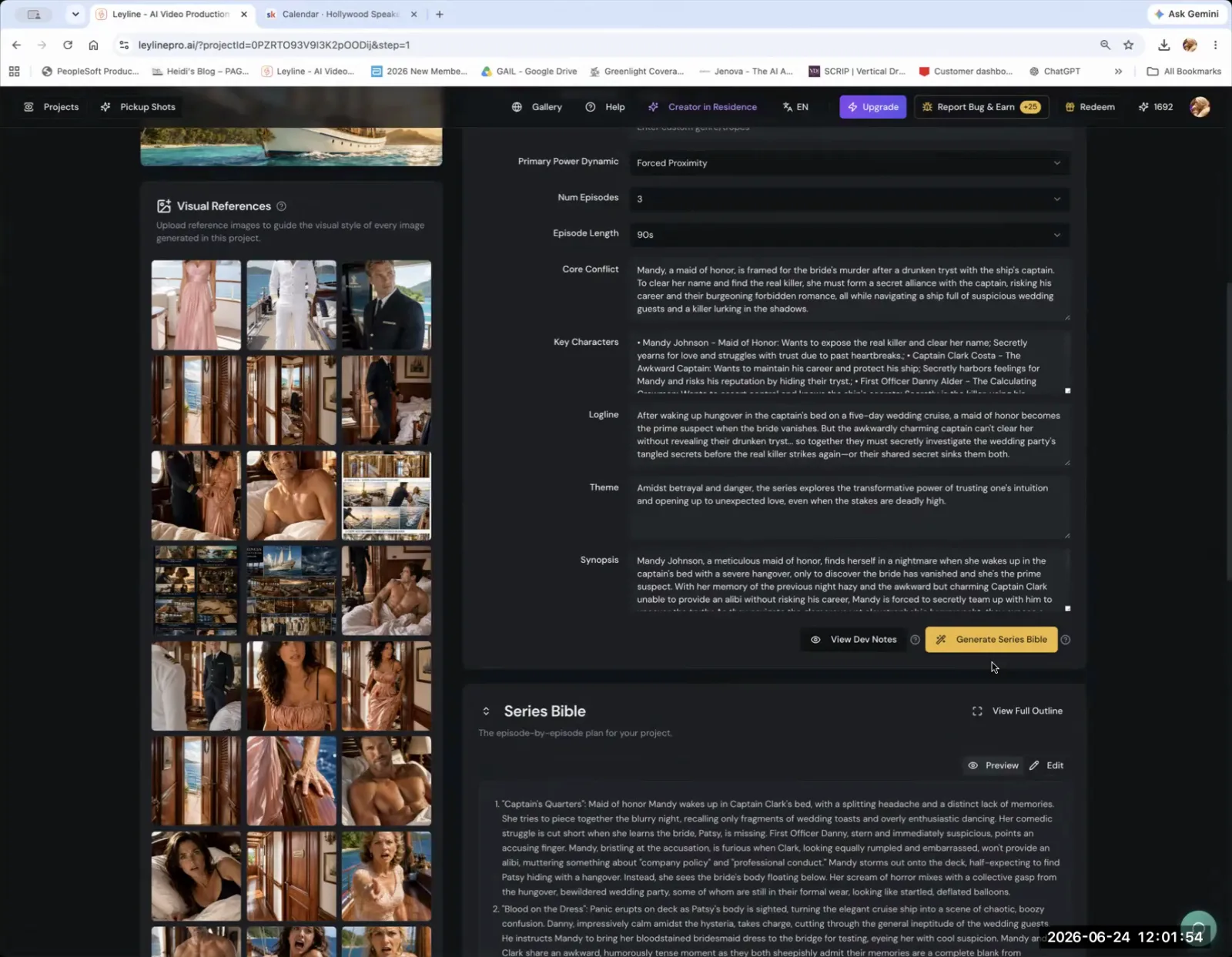
The primary purpose of using an app for script breakdown in an AI workflow is to identify and organize core story elements, specifically characters and locations. This initial step creates a structured foundation for the AI to work from. A proper script breakdown ensures that the AI has a clear, organized list of every essential asset required to build the film. According to AI filmmaker Austin Zartman, creator of the AI series ASHES, the breakdown feature is designed to parse the script, or "Bible," and create dedicated placeholders for your characters and settings.
As Zartman explains, "clicking that button will break down the characters and locations in your Bible... and it will give you places to put in your characters." This process is not for gathering general reference images. It is for systematically cataloging the key assets that will appear throughout the film. By using an app for script breakdown, you ensure these assets are ready to be called upon by the AI during shot generation. This structured approach is the first and most important step in translating a written script into a visually consistent AI film.
How a Script Breakdown App Ensures Asset Consistency
A script breakdown improves asset consistency by tagging specific assets, such as a character, to every shot in which they appear. This direct link created by the app for script breakdown ensures the AI consistently uses the correct visual reference for that character throughout the film. Without this systematic tagging, the AI might generate variations of a character from shot to shot, breaking visual continuity.
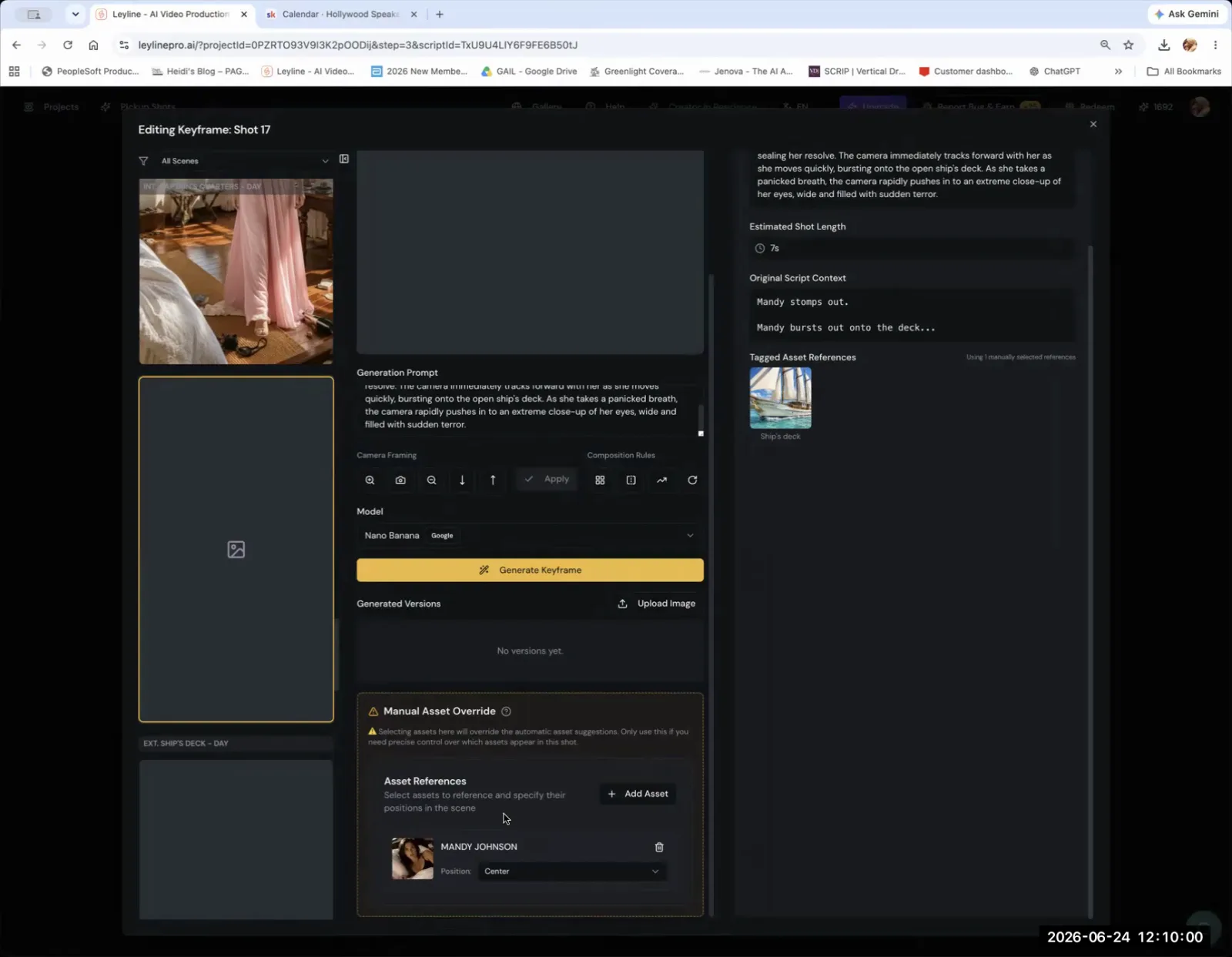
For example, if a character named Mandy is identified during the breakdown, the system will automatically associate her visual asset with every scene she is in. Zartman illustrates this by stating, "if you have gone from breakdown to this shot... and then you did your asset breakdown... This shot would have Mandy." This automated tagging prevents common problems in AI filmmaking, such as:
- Generating an incorrect or inconsistent character.
- Using the wrong background or location asset.
- Losing track of props or key visual elements.
An effective app for script breakdown builds a reliable connection between the script's text and the visual output, which is fundamental for coherent storytelling.
Can an App for Script Breakdown Automate Keyframes?
Yes, a detailed script breakdown can directly inform and automate the generation of keyframes. An integrated app for script breakdown uses the data from the breakdown—the characters, locations, and actions—to guide the AI in creating initial visual representations of each shot. This significantly reduces the amount of manual prompting required from the filmmaker. The AI can pull the necessary elements for a scene directly from the data established during the breakdown.
Austin Zartman notes that this automation is a core part of an efficient pipeline. If you don't use the breakdown to inform the AI, "you have chosen to manually generate the key frame instead of following what the breakdown is telling the program to do." The system is designed so that correctly performing the script breakdown and other early steps allows later stages, like keyframe creation, to be handled automatically by the software. This process helps you by picking up the necessary references without manual intervention, saving time and reducing the potential for human error. This makes the app for script breakdown a powerful automation tool in the AI filmmaking process.
Key Benefits of an Integrated Script Breakdown App
Using an integrated app for script breakdown provides several advantages over manual or disconnected methods. The core value lies in creating a smooth pipeline where data flows logically from one stage to the next.
Here are the primary benefits:
- Reduced Manual Labor: An integrated app automates the tedious process of tagging assets for every shot. This eliminates the need to manually copy and paste information between different programs, such as a text editor for the script and an image editor for assets.
- Lower Risk of Error: Automation reduces the chance of human error. Manually tracking assets across a long script can lead to mistakes, like mislabeling a character or forgetting a key prop. The breakdown app minimizes these risks.
- Improved Efficiency: By connecting the script directly to asset management and keyframe generation, the entire pre-production and production process becomes faster. The AI has all the information it needs from the start.
- Enhanced Consistency: As discussed, the direct link between the breakdown and shot generation is the key to maintaining visual continuity for characters, locations, and other elements throughout the entire project.
This integrated approach turns the script breakdown from a simple organizational task into a dynamic part of the AI generation engine.
Integrated Breakdown App vs. Manual Methods
An integrated app for script breakdown significantly reduces manual labor compared to using disconnected tools like ChatGPT and image editors to manage production assets. While manual methods are possible, they require more effort and introduce a higher risk of error and inconsistency. A manual workflow often involves creating spreadsheets to track assets, writing detailed prompts for each shot by hand, and manually organizing generated images.
Zartman contrasts the integrated approach with these manual workarounds: "Then you will have to manually fix it or do it yourself, just like you did with ChatGPT and all the other programs. You can do that too. It's just more work." The value of a dedicated, integrated tool is its ability to create a smooth pipeline. Information flows from one step to the next, from the script bible to the final generated shot. This integration minimizes the need for redundant data entry and manual corrections, allowing the filmmaker to focus on creative decisions rather than data management. The right app for script breakdown is therefore a cornerstone of an efficient AI filmmaking workflow.
Why the Breakdown is a Critical Step in AI Filmmaking
The script breakdown is a critical step because it establishes the definitive record for the entire production. All subsequent creative decisions and AI generations cascade from it. Maintaining accuracy at this stage is essential for project-wide consistency, especially across multiple episodes or long-form content. An error made during the breakdown will be amplified in later stages, leading to significant rework.
Austin Zartman emphasizes this point, stating, "I would even argue like the creative Bible and the breakdown process is the most important two steps to keep accurate because they keep your record and everything cascades through the changes." Within what he calls the "Layline process," this foundational data ensures that as you make changes to your story, the system can propagate those changes consistently. For example, if you update a character's appearance in the breakdown, an integrated system can apply that change across all relevant shots. This prevents continuity errors and maintains a coherent visual world, making the script breakdown the single source of truth for the AI.
Frequently asked questions
What elements does a script breakdown for AI filmmaking focus on?
In an AI filmmaking workflow, the script breakdown primarily focuses on identifying and cataloging characters and locations from the script, or "Bible." According to Austin Zartman, this creates the foundational asset list that the AI uses to maintain visual consistency throughout the project.
Does a script breakdown help with consistency across episodes?
Yes, a proper breakdown is crucial for maintaining consistency, especially for episodic content. Austin Zartman states that the breakdown process creates a persistent record that ensures changes are cascaded accurately through the project, which is essential when managing a series.
What happens if you skip the breakdown step in an integrated app?
If you skip the integrated breakdown step, you lose the benefits of automation. You will have to manually tag assets in each shot and generate keyframes yourself, which Zartman describes as "more work," similar to using separate programs like ChatGPT for asset management.
Can you manually override the automated breakdown?
Yes, you still have creative control. Even with an automated breakdown guiding the process, you can choose to manually generate a keyframe yourself instead of using the one suggested by the program based on the breakdown data. The system allows for both automated efficiency and manual intervention.
Keep learning
This guide is part of the AI Filmmaking Workflow & Asset Management masterclass lesson.
Related guides:
Comments
Sign in with your Leyline account to join the conversation.