A script breakdown is a pre-production step where you read through your script and list every element — characters, locations, props, costumes — required for each shot. In AI filmmaking, that list becomes a set of tagged asset references the platform uses to generate visually consistent images across your entire project.
What is the primary focus of a script breakdown?
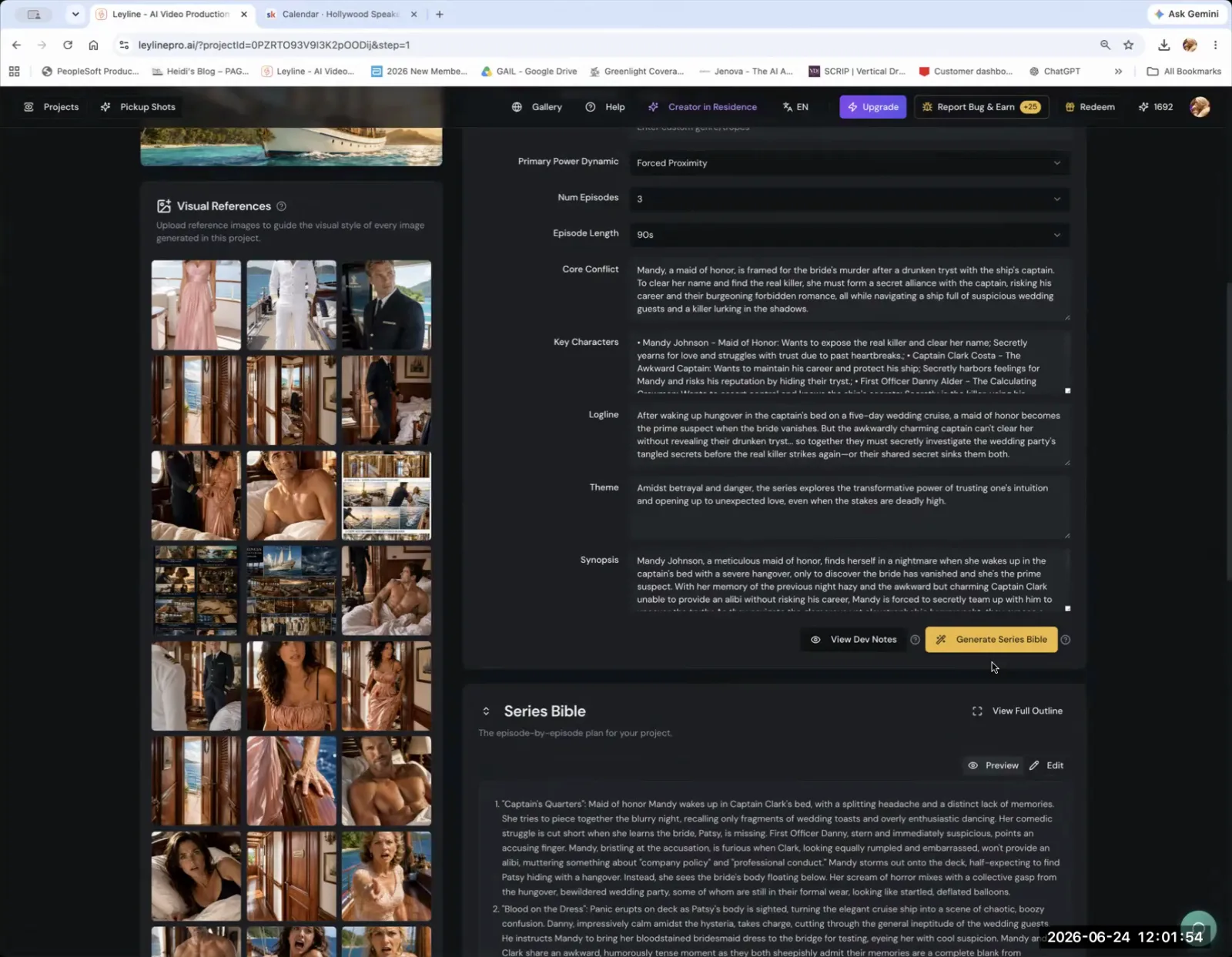
The primary focus of a script breakdown is to identify and organize the core components of a story, starting with the characters. AI filmmaker Austin Zartman, creator of the AI short-film series ASHES, states that a breakdown is, first and foremost, about "breaking down the characters." This initial step ensures that every character is accounted for before moving on to other elements like locations. In AI filmmaking platforms, this process provides structured fields to input character details, which then link directly to the assets used for generation.
After identifying characters, the breakdown moves on to locations and other significant assets. The goal is to create a comprehensive list for each shot, detailing exactly what and who needs to be present. This methodical approach transforms the script from a narrative document into a practical blueprint for production, which is essential for maintaining control over the AI's creative output.
Understanding script breakdowns also connects to how you structure your story from the start. If you want a deeper look at how scenes and narrative beats are organized before breakdown, read what is a series bible and what is a creative bible in filmmaking.
Why is a script breakdown necessary in AI filmmaking?
A script breakdown is necessary in AI filmmaking to manage the complexity of matching thousands of generated images to the correct shots in a script. The traditional production process uses shot breakdowns for this very reason, and the principle is equally vital when working with AI to maintain visual consistency. According to Zartman, the core challenge is that "it's difficult to recognize thousands of images and match them with the correct shots." A breakdown imposes order on this potential chaos.
Without a proper breakdown, an AI model has no structured reference for which character should appear in which scene, what the background should be, or what props are needed. This step acts as the connective tissue between the script's text and the visual assets, ensuring that the AI generates the right content for the right moment in the story. It prevents visual continuity errors and streamlines the entire asset management process.
For context on how this fits the bigger picture, see the full AI filmmaking workflow guide.
How does a breakdown connect assets to specific shots?
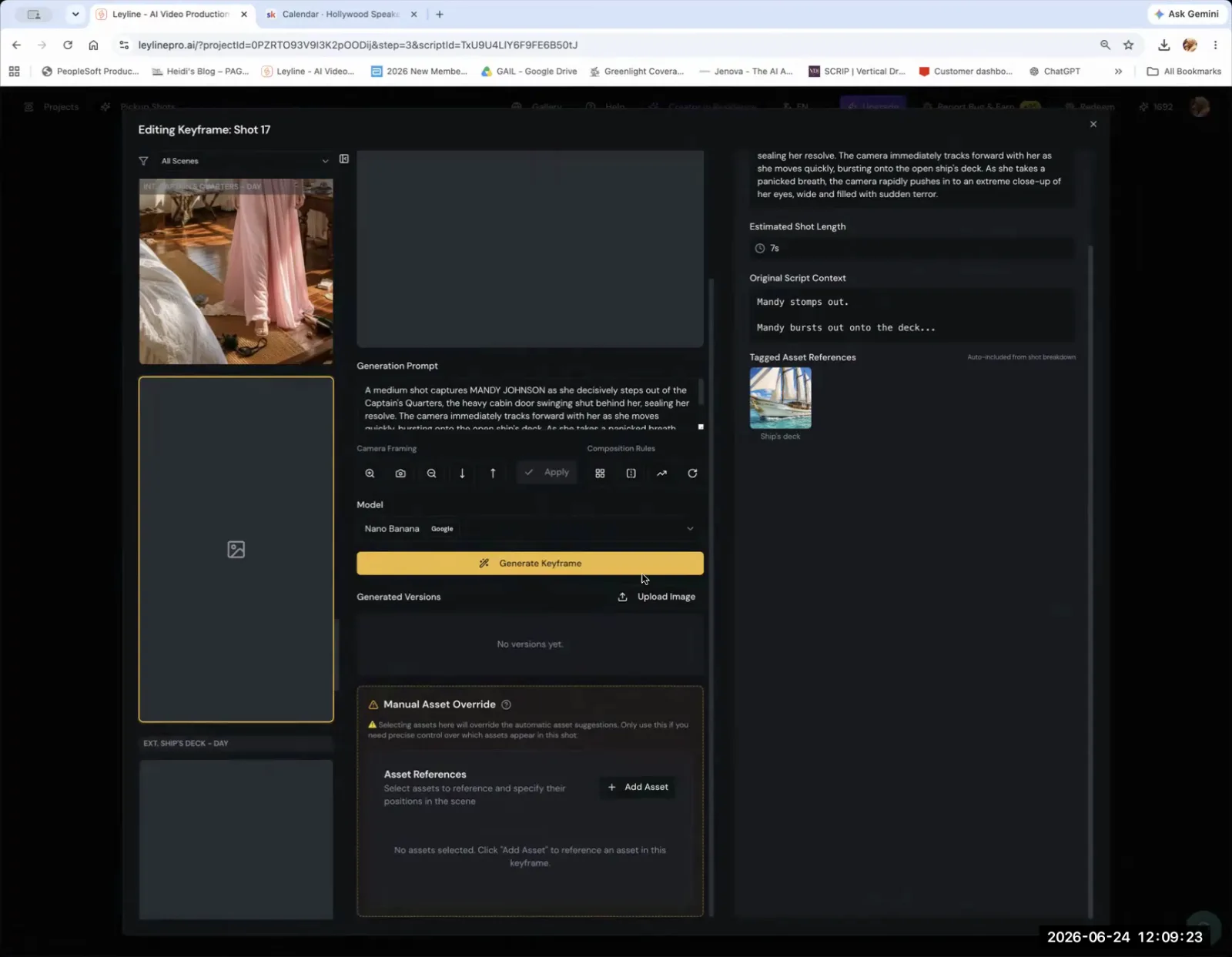
A breakdown connects assets to specific shots by tagging them during the breakdown step, creating what are called "tagged asset references." This process ensures that when a specific shot is being generated, the AI program knows precisely which characters or elements must be included. If a character is not properly added to a shot during the breakdown, the system will not know to include them in the final image.
Austin Zartman explains this mechanism clearly: "how the program gets the tagged asset references is through breakdown." He provides a concrete example involving a character named Mandy in "shot 17" of his project. If you generate that shot and Mandy is missing, it's because she "should have been added in breakdown steps, so that... later it'll tag the reference." This direct tagging is what allows for consistent character representation across an entire film.
Character consistency is one of the hardest problems in AI video production. After you complete your breakdown, read how to maintain character consistency in AI video to understand the downstream techniques that reinforce the work you do here.
Do AI tools automate the entire breakdown process?
No, AI tools do not fully automate the script breakdown process; they perform a preliminary breakdown that requires human verification and correction. Austin Zartman advises filmmakers to carefully review the program's initial analysis for each shot to confirm it has correctly identified all the necessary elements. This manual check is an essential quality control step.
Zartman instructs users to "check the shot and check what's in the shot and see if the program does it right." This human oversight is critical because AI can misinterpret context or miss subtle details in the script. The filmmaker's job is to refine the AI's preliminary work, ensuring the breakdown is completely accurate before moving forward with image generation. This hybrid approach combines the speed of automation with the precision of human direction.
How important is the breakdown step in the overall workflow?
The breakdown step is one of the most critical parts of the AI filmmaking workflow, equal in importance to the creative bible. It establishes an accurate and foundational record for the entire project. Any changes or errors made during this stage cascade through the rest of the production, impacting the final output significantly.
Zartman argues that "the creative Bible and the breakdown process is the most important two steps to keep accurate because they keep your record and everything cascades through the changes." Because filmmakers constantly make adjustments throughout a project, having a precise and well-maintained breakdown ensures that those changes are propagated correctly. It is the central source of truth that governs the consistency and continuity of the film.
Breakdown vs. a full shot list: what's the difference?
A script breakdown and a shot list serve related but distinct purposes. A breakdown catalogs what exists in your story — every asset, character, and location that appears anywhere in the script. A shot list specifies how you plan to capture each moment — camera angles, movements, and framing decisions.
In traditional filmmaking, these are separate documents created at different stages of pre-production. In AI filmmaking platforms, they often overlap because the tool needs asset-level information at the moment you define each shot. Practically speaking, you'll usually complete the breakdown first to establish your asset library, then build out your shot-level details on top of that foundation.
If you're working on a short vertical format, understanding micro drama script structure, hooks, and cliffhangers can help you plan a tighter breakdown with fewer assets to track per scene.
Frequently asked questions
What is a script breakdown in simple terms?
A script breakdown is the process of reading a script and making lists of everything needed to produce each shot. This includes characters, locations, props, and any other key assets required to bring the scene to life and ensure nothing is missed during production.
What is an "asset breakdown"?
An asset breakdown is a specific part of the script breakdown process where individual assets, like a character named Mandy, are tagged to specific shots, such as shot 17. This ensures the correct elements appear in the final generated images for that particular shot.
Does the AI do the breakdown for you?
An AI tool typically performs a preliminary breakdown, making an initial pass at identifying characters and locations in your script. However, the filmmaker must manually review and correct this automated breakdown to ensure its accuracy for every single shot before generating images.
Why is the breakdown so important for consistency?
The breakdown is important for consistency because it creates tagged asset references that the AI uses throughout production. If a character isn't tagged in a shot during the breakdown, the AI won't know to include them, leading to errors that cascade through the project.
Can I change the breakdown mid-project?
Yes, but changes should be made carefully. Because every generated image derives its asset references from the breakdown, altering a character description or swapping a location mid-production can create visual mismatches between earlier and later shots. The safest approach is to lock down your breakdown as thoroughly as possible before generating your first batch of images.
Keep learning
This guide is part of the AI Filmmaking Workflow & Asset Management masterclass lesson.
Related guides:
Comments
Sign in with your Leyline account to join the conversation.