August 13, 2026-7 min read
Where AI Micro-Drama Production Actually
Creators who finished a five-week AI micro-drama cohort on what cost them time — design decisions, keyframe continuity, render waits, and ordinary life.
40 articles in this category
Creators who finished a five-week AI micro-drama cohort on what cost them time — design decisions, keyframe continuity, render waits, and ordinary life.
A producer reveals a successful AI show is being remade live-action, hinting at a new business model for IP development. This shift could redefine how…
A creator's firsthand account of using AI in filmmaking, addressing the common 'is it cheating?' question. Discover why real work, not just prompts, defines…
A USC film professor challenges the vague term "cinematic" and AI's struggle with intentionality. This essay explores how structured pipelines and craft,…
The founder of LeyLine shares the unfiltered truth about AI's impact on filmmaking. It's not coming; it's already here, and the industry's quiet adoption…
A practical guide to AI filmmaking jobs in 2026: which roles exist, what they pay, what skills you need, and how to break in without a film degree.
A factual breakdown of how AI is actually used in Hollywood — from de-aging and voice cloning to studio equity deals — with verified examples through 2026.
How an AI micro-drama series is structured — season length, episode rhythm, the hook chain, and how creators keep characters consistent across episodes.
A practical guide to the top AI short film festivals and competitions in 2026, with prize details, submission tips, and what judges actually look for.
AI video upscaling uses neural networks to increase resolution and frame rates of existing footage. Here is how the technology works, which tools to use, and where it falls short.
A practical look at ai vs voice actors in 2026: where AI voice tools are replacing humans, where they aren't, and what that means for micro-drama producers.
A curated look at the best AI short films from 2025–2026, covering festival winners, notable productions, and the tools used to make them.
A practical comparison of Kling, Seedance, and Veo 3 for character consistency across shots — plus how Nano Banana fits into the pre-production pipeline.
The top vertical drama (micro-drama) apps in 2026 — ReelShort, DramaBox, ShortMax and more — what each is known for and how they work.
What degree do you need for filmmaking in 2026? The honest answer: probably none. Here's what actually matters for an AI filmmaking career.
A grounded look at real examples of AI in movies, from ILM's de-aging work on Indiana Jones to Google DeepMind's equity stake in A24 — with verified vendor names and production details.
A practical look at free AI short film generators—what each tool offers, where the free tiers run out, and what to expect from watermarks, credits, and commercial rights.
The future of AI filmmaking is already here — from festival-winning shorts to $30/min micro-dramas. Here's what's changing and what it means for independent creators.
Traditional micro-dramas cost tens to hundreds of thousands of dollars. AI production is collapsing that to dollars per minute. Here's the real breakdown.
A practical guide to building a career as an AI filmmaker in 2026 — covering the tools, skills, portfolio moves, and job titles that matter.
A practical guide to AI video enhancement — covering upscaling tools, frame interpolation, and the limits every filmmaker should know before processing their footage.
A practical guide to generating AI b-roll for filmmakers and creators — covering prompt techniques, model choices, and when to use stock footage instead.
A step-by-step guide to producing a vertical AI micro-drama: script, shot breakdown, consistent characters, keyframes, rendering, and export.
New to vertical dramas? Here's where to watch micro-dramas, how the coin and ad-unlock model works, and tips to binge without overspending.
A practical comparison of Kling and Veo 3 for AI filmmakers — covering motion quality, character consistency, clip duration, and which model fits which production need.
How to structure a micro-drama script — the cold-open hook, the per-episode cliffhanger, and the season-long hook chain that keeps viewers tapping.
Micro-dramas and short films are both short — but they're built for opposite goals. Here's how format, structure, and distribution differ.
A practical guide to Nano Banana, Google's image generation model built on the Gemini architecture—what it does, how its two tiers differ, and where it fits in an AI filmmaking pipeline.
A hands-on guide to Seedance, ByteDance's AI video model — covering clip duration, multimodal inputs, lip-sync, and how to use it in a vertical micro-drama pipeline.
A practical comparison of Seedance and Veo 3 for AI filmmakers — covering clip duration, photorealism, motion quality, lip-sync, and which model fits your production workflow.
A hands-on guide to Veo 3 for filmmakers — what it does well, where it falls short, and how to use it inside an AI micro-drama pipeline.
The vertical drama (micro-drama) market is on track for billions in global revenue. Here's the size, growth, monetization, and who's winning.
AI actors range from digital replicas of real performers to fully synthetic characters with no human base. Here's what the technology actually does, who it affects, and where it stands in 2026.
AI micro-dramas are short, vertical, cliffhanger-driven series made with generative AI. Here's what they are, where they came from, and how they're made.
A clear breakdown of a roll and b roll — what each term means, how editors use them, and how AI now generates custom b-roll for any production.
A practical guide to how to get b roll footage in 2026 — covering the best free stock libraries, paid subscriptions, and AI generation tools for every budget.
Micro-dramas went from niche to a multi-billion-dollar industry in China in a few years. Here's the playbook behind the boom — and what creators can learn.
Will AI replace actors? A clear-eyed look at where synthetic performers and AI voice cloning are actually displacing human talent in 2026 — and where they aren't.
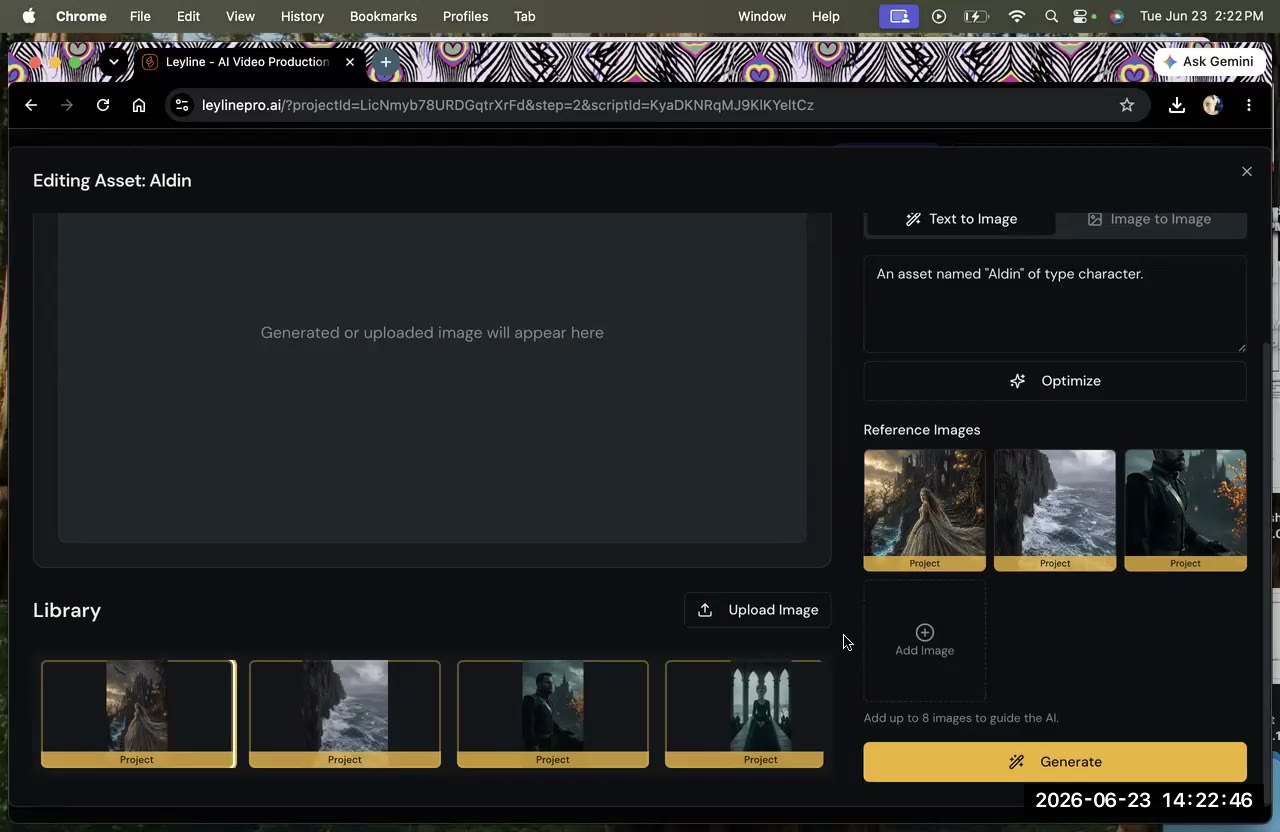
The most common AI filmmaking mix-up: project reference images vs character asset images. Here's the difference and how to assign images correctly.
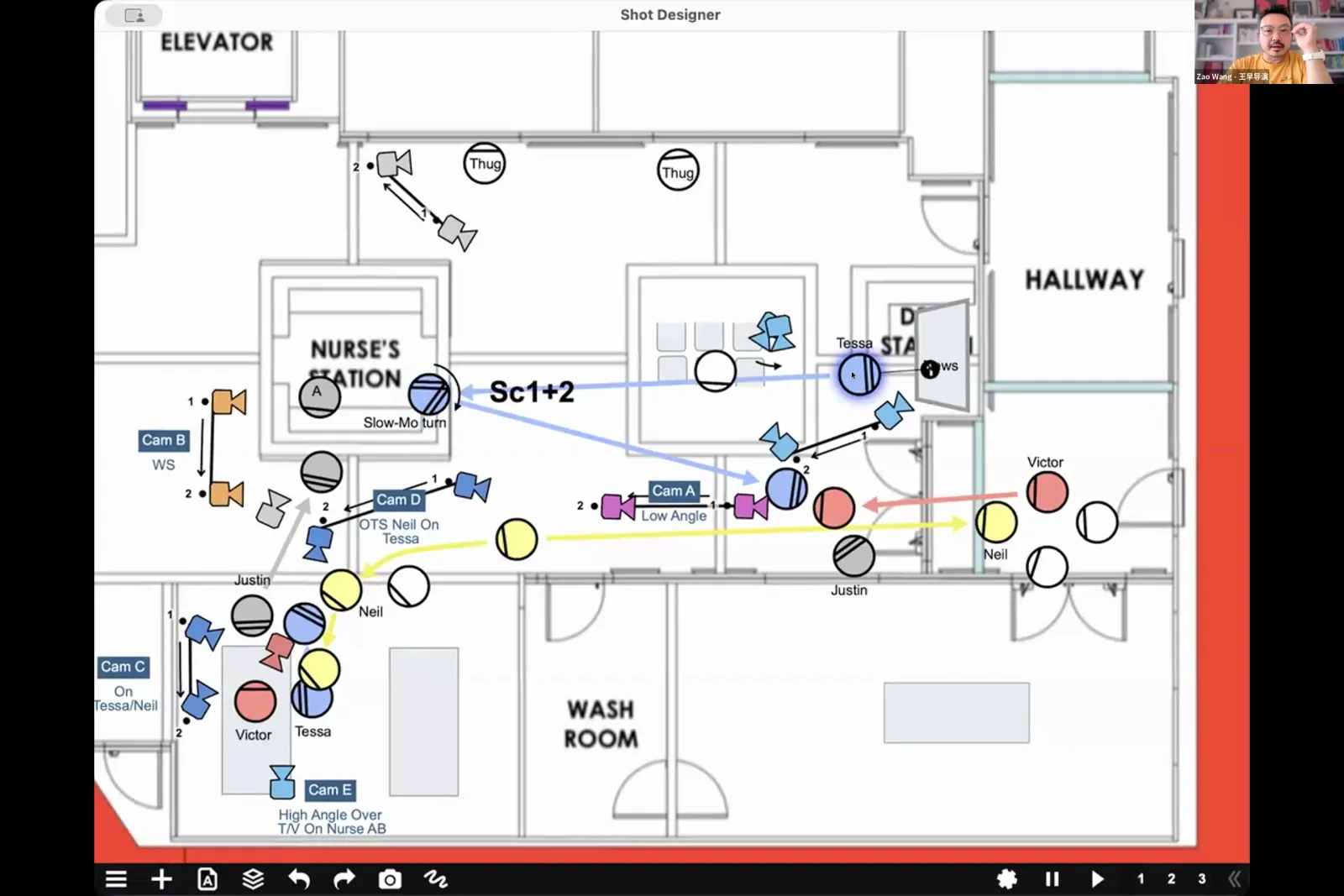
Real questions from creators building their first AI micro-dramas — script length, character consistency, the Creative Bible, breakdown shots, and keyframes — with the practical fixes.