Using AI for Script Breakdown
Learn how using AI for script breakdown can speed up pre-production, save money, and automate element tagging. A practical guide for modern filmmakers.
104 articles with this tag
Learn how using AI for script breakdown can speed up pre-production, save money, and automate element tagging. A practical guide for modern filmmakers.
Learn the two main paths to become a paid AI filmmaker: creating your own content or producing commissioned work for clients. Get practical steps and insights.
Learn to navigate common AI video generator process challenges like consistency and AI hallucinations. A practical workflow for any AI filmmaker.

Learn how to do AI filmmaking with a step-by-step process from AI filmmaker Alexander Vail. Start with the hero shot, storyboard, and use turnaround sheets.
Learn how to make an AI short film with this step-by-step guide. Covers storyboarding, visual consistency, sound design, and creative direction.
Creators who finished a five-week AI micro-drama cohort on what cost them time — design decisions, keyframe continuity, render waits, and ordinary life.
Three creators from Leyline's first AI micro-drama cohort on decades of options, development hell, and the week they decided to stop waiting.
A creator's firsthand account of using AI in filmmaking, addressing the common 'is it cheating?' question. Discover why real work, not just prompts, defines…
A USC film professor challenges the vague term "cinematic" and AI's struggle with intentionality. This essay explores how structured pipelines and craft,…
A practical ai character creation filmmaking guide. Learn to use AI tools, character bibles, and prompts to develop memorable AI characters for your stories.
AI filmmaking software ranges from automated agents to granular control tools. Learn the key differences, challenges like AI drift, and how platforms like Leyline provide manual overrides.
An AI script breakdown uses tools like ChatGPT to analyze scripts, generate shot lists, and create production documents, reducing a 12-hour process to 1-2 hours.
A UCLA film professor and a 3-time Emmy winner watched five weeks of student work at an AI filmmaking showcase and independently reached the same conclusion: the gatekeepers are gone. What that actually means for creators.
Get the concept of AI film explained with this guide. Learn the benefits, limitations, and workflows of AI filmmaking for independent creators.
Learn how to AI enhance video with practical tips on keyframes, consistency, and accuracy. Improve your AI video generation workflow with expert advice.
Learn how to fix lip sync AI video with practical editing techniques. This guide covers workarounds, audio replacement, and prevention methods.
Learn practical strategies to monetize AI films. This guide covers IP merchandising, production services, and risk-free sales models for AI filmmaking.
Learn how to control motion in your clips by mastering start and end frame AI video generation. Get expert tips on choosing the right key frame.
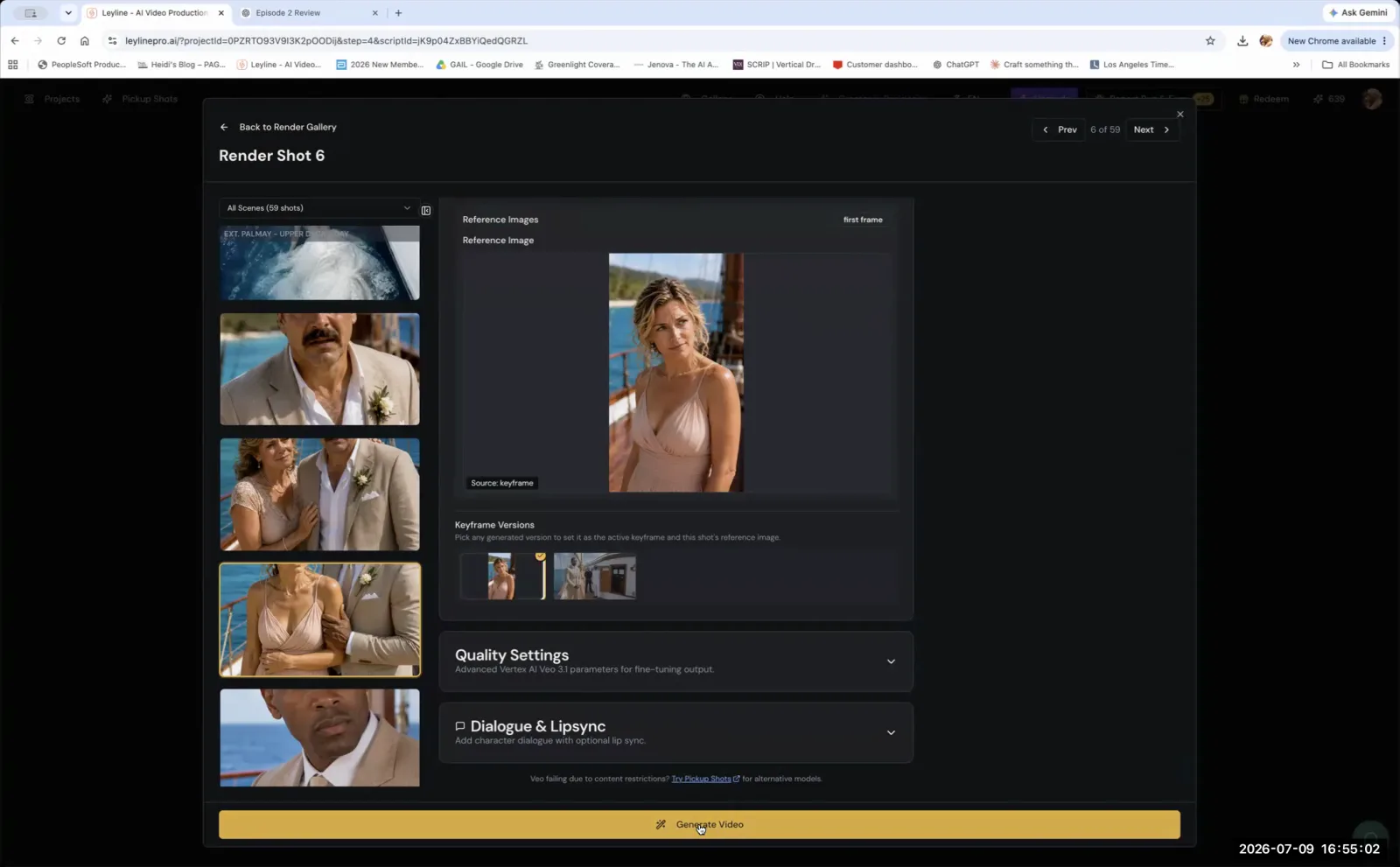
Discover the unseen work AI filmmaking requires. Learn the manual fixes, workarounds, and troubleshooting steps essential for creating AI-generated films.
Learn why using Blender for AI filmmaking is crucial for scene control. This guide covers how to create 3D references to guide AI image models accurately.
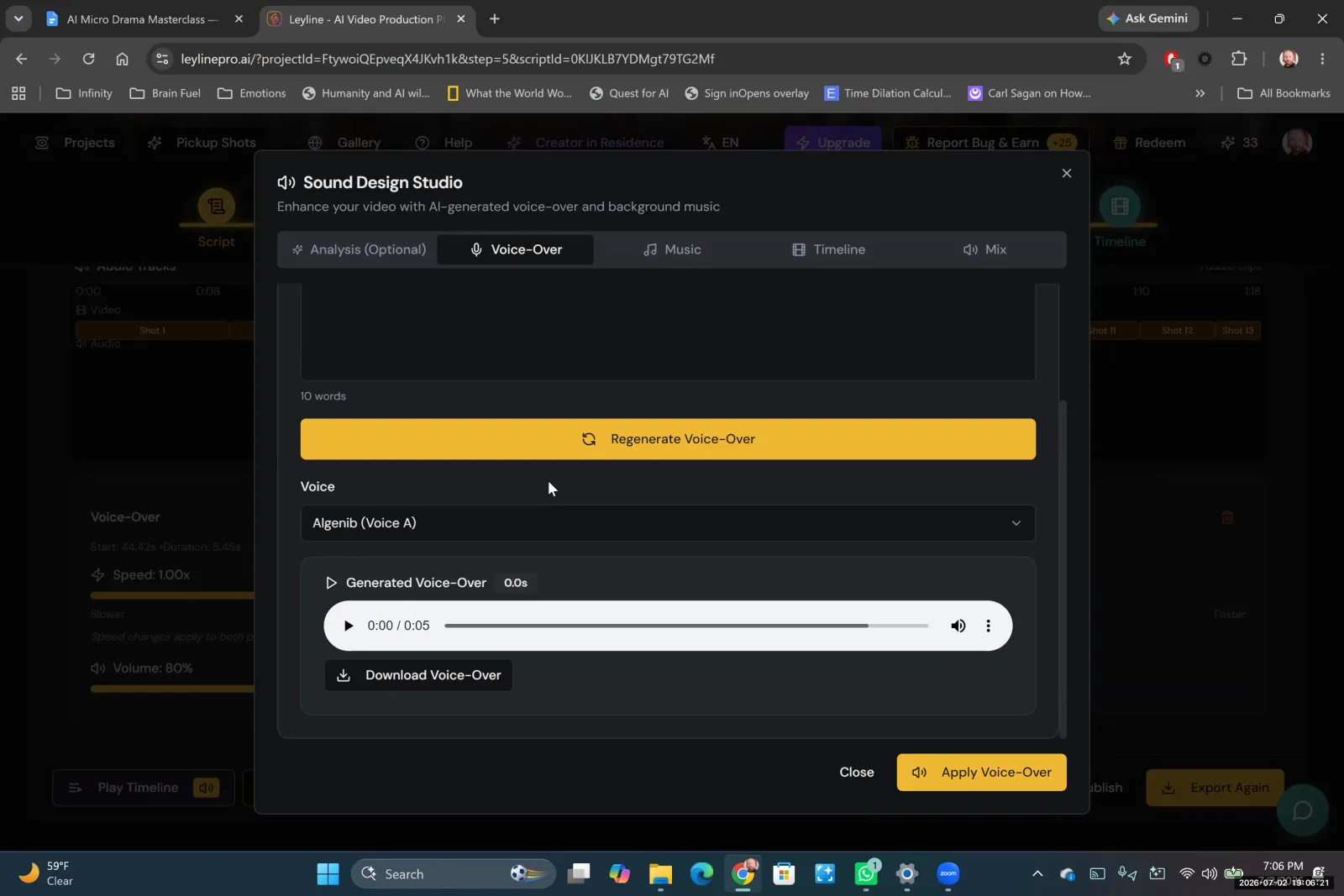
Explore the AI film meaning, from democratizing storytelling to creating new genres. Learn how AI filmmaking empowers creators to bypass gatekeepers.
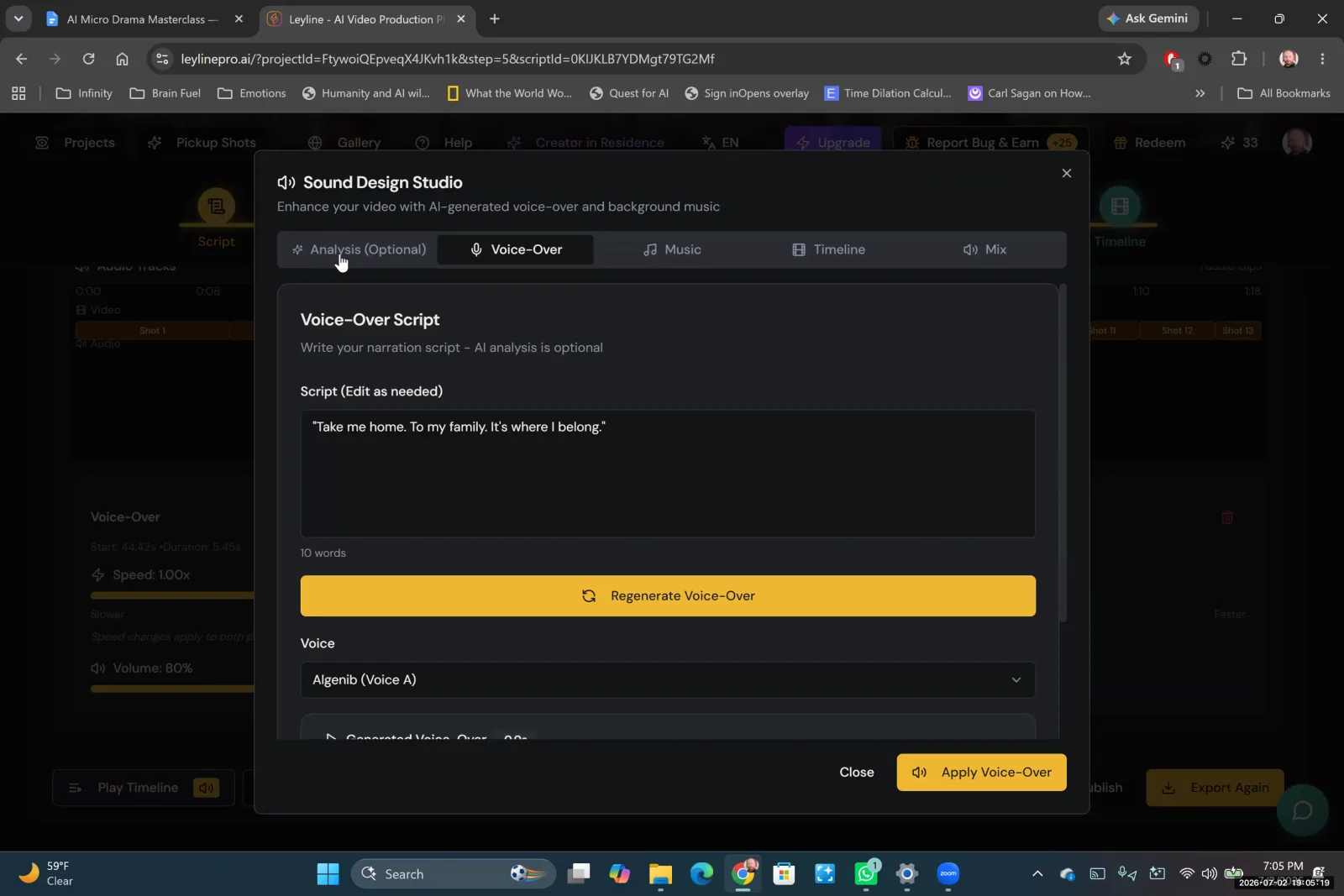
Learn the essential ai video generator filmmaking rules for prompting, consistency, and error handling. A practical guide for creating coherent AI video.
Vertical drama apps like ReelShort, Drama Box, and Odega host short, episodic stories for mobile. They thrive on AI-generated content in niche genres.
Learn the challenges and techniques of image generation in AI filmmaking, from creating consistent characters to writing effective prompts with AI.
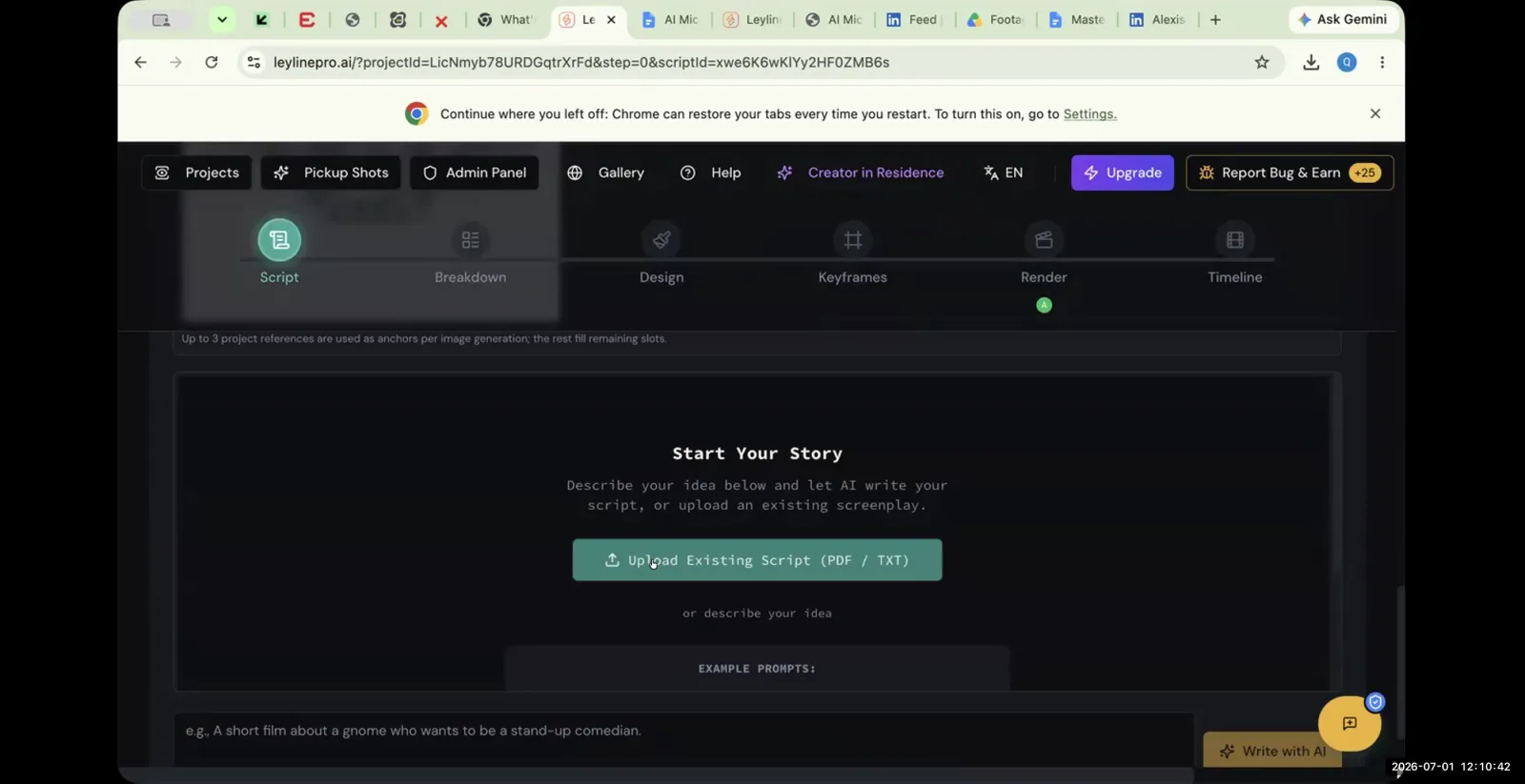
Learn a practical AI multi episode series workflow for maintaining character and scene continuity. This guide covers asset reuse, continuity locks, and more.
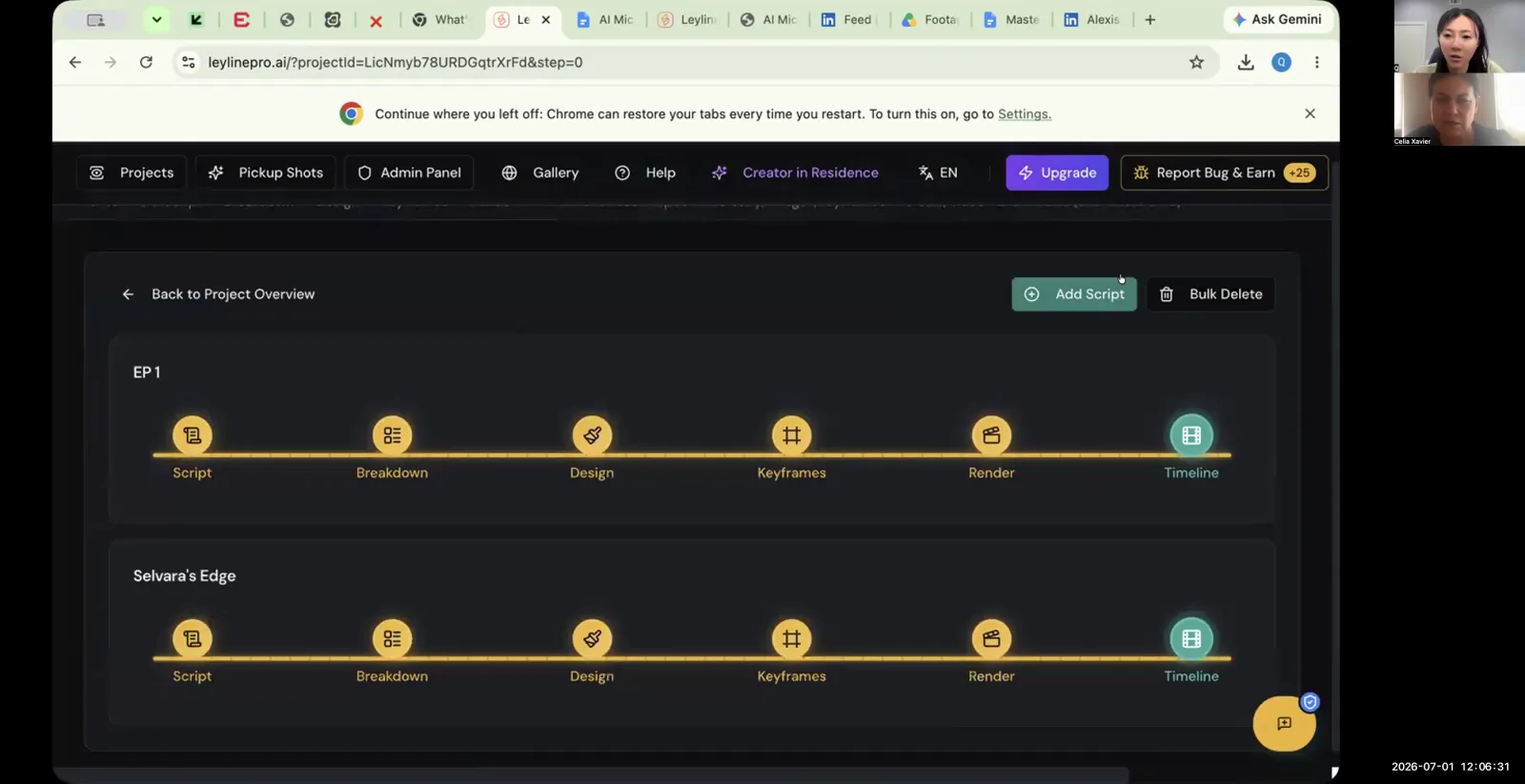
Learn essential AI video editing techniques, from structuring prompts with the three-beat method to maintaining character consistency with a continuity lock.
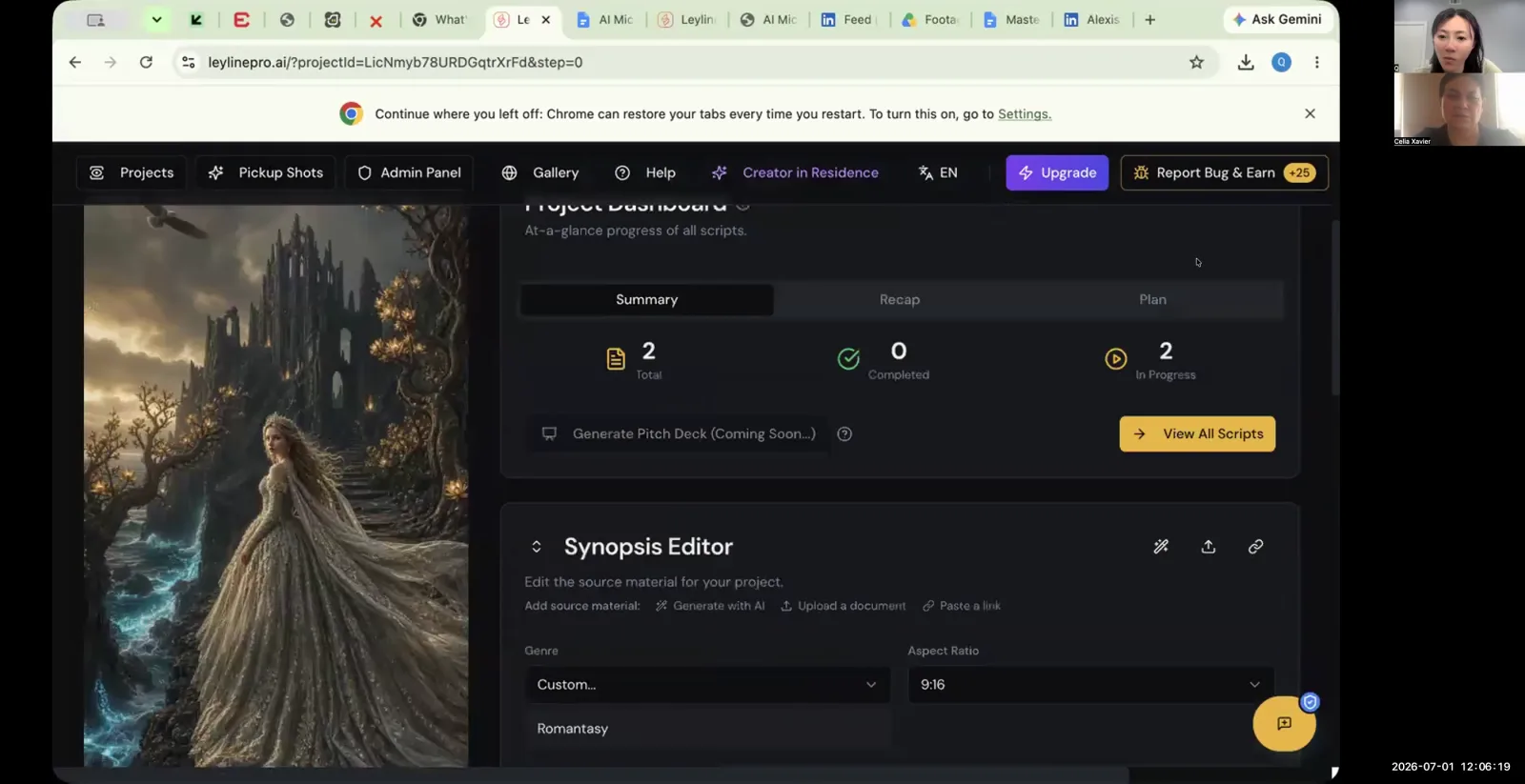
Learn to master AI video generator models prompts with this practical guide. Troubleshoot failures, bypass restrictions, and maintain character consistency.
Learn practical techniques to maintain continuity in AI video. This guide covers continuity locks, shot-level consistency, and multi-episode workflows.
Ready to start AI filmmaking? This guide covers script uploads, prompt writing, model troubleshooting, and maintaining continuity to generate your first AI video.
Learn a practical workflow for AI sound design for film, from layering audio and mixing levels to using the best AI tools for voiceover and music.
A complete AI video editing post production guide. Learn how to use generative AI tools like CapCut and DaVinci Resolve to streamline your workflow.
Discover the best AI filmmaking tools recommended by expert Austin Zartman. Learn about DaVinci Resolve, CapCut, ElevenLabs, and more for your workflow.
Explore the CapCut vs DaVinci Resolve AI filmmaking debate. Learn which NLE is better for beginners, pros, generative AI features, and sound design.
Learn how to use AI in filmmaking with a practical, step-by-step guide. This guide covers video generation, sound design, and editing workflows.
Does AI filmmaking kill creativity? Learn from AI filmmaker Austin Zartman about the real limits on control, nuance, and consistency in film production.
AI filmmaking uses AI to automate asset generation, but relies on human editors for sound design and final assembly. Learn the core process from AI filmmaker Austin Zartman.
Learn what non linear editing NLE is and how it works. This guide covers NLE software, basic functions, and its role in AI filmmaking workflows.
An AI filmmaking course teaches practical skills like editing, prompt engineering, and collaborative workflows. Learn the core philosophies and techniques taught.
A professional AI filmmaking workflow involves adapting to the AI, writing shooting scripts, generating clips with tools like Veo, and using a Creative Bible. AI filmmaker Austin Zartman advises accumulating clips documentary-style.
A factual breakdown of how AI is actually used in Hollywood — from de-aging and voice cloning to studio equity deals — with verified examples through 2026.
How an AI micro-drama series is structured — season length, episode rhythm, the hook chain, and how creators keep characters consistent across episodes.
A practical guide to the top AI short film festivals and competitions in 2026, with prize details, submission tips, and what judges actually look for.
Our practical AI video editing guide covers workflows, character consistency, and model selection based on expert advice for AI filmmaking.
The best AI filmmaking platform is an aggregator with multiple models and project management tools. AI filmmaker Austin Zartman explains why choice is key.
A curated look at the best AI short films from 2025–2026, covering festival winners, notable productions, and the tools used to make them.
A practical look at free AI short film generators—what each tool offers, where the free tiers run out, and what to expect from watermarks, credits, and commercial rights.
Traditional micro-dramas cost tens to hundreds of thousands of dollars. AI production is collapsing that to dollars per minute. Here's the real breakdown.
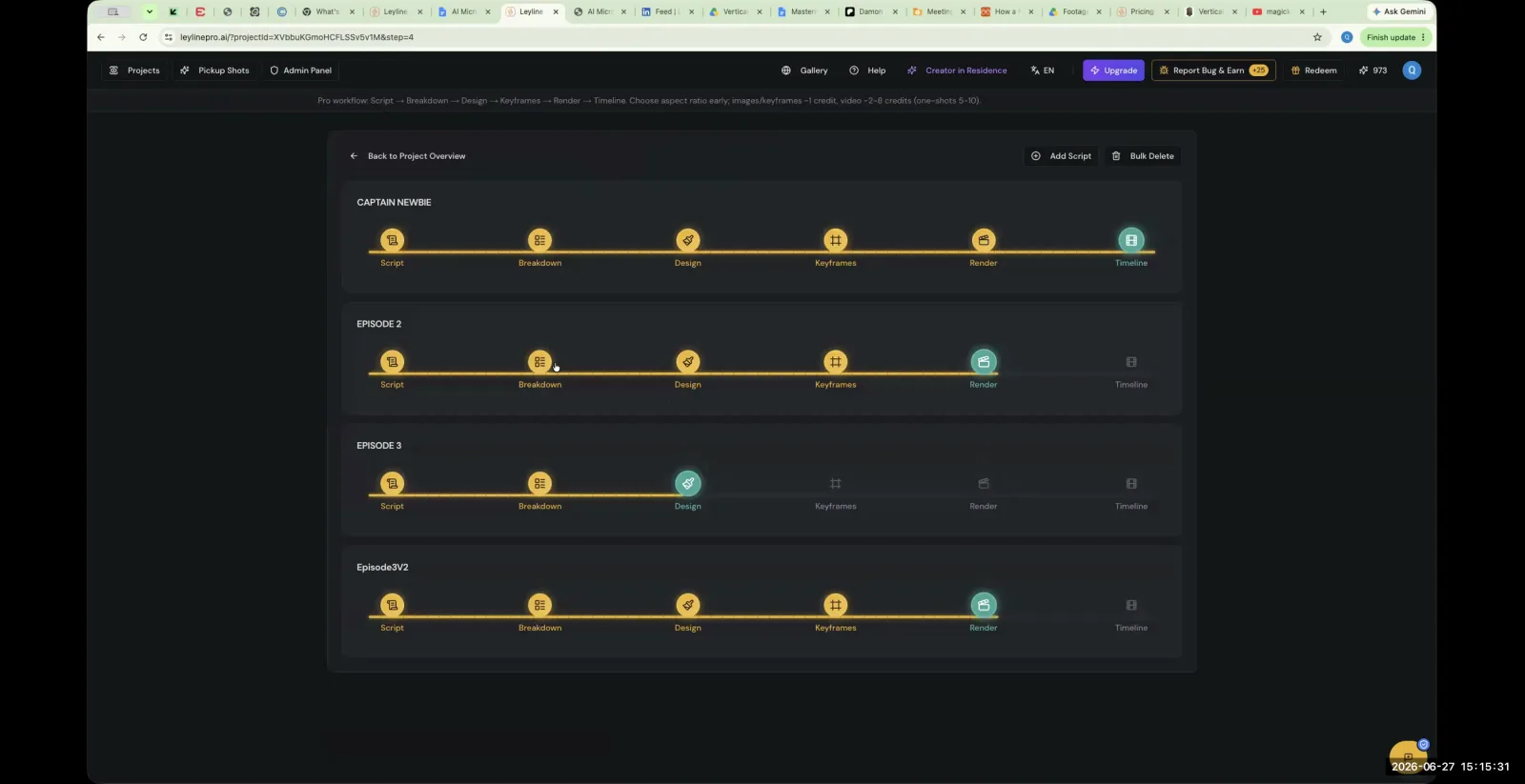
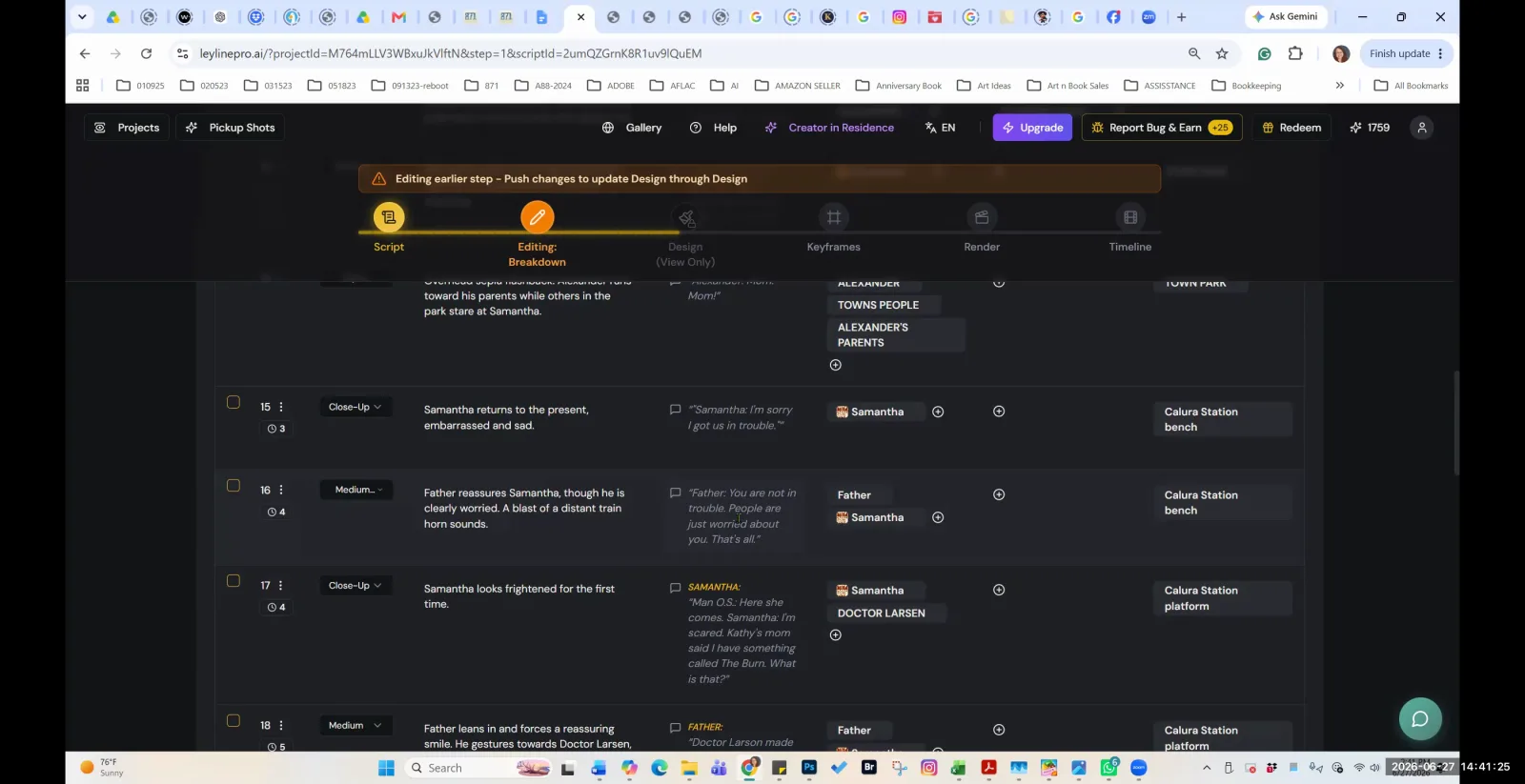
A step-by-step guide to producing a vertical AI micro-drama: script, shot breakdown, consistent characters, keyframes, rendering, and export.
A practical comparison of Kling and Veo 3 for AI filmmakers — covering motion quality, character consistency, clip duration, and which model fits which production need.
Micro-dramas and short films are both short — but they're built for opposite goals. Here's how format, structure, and distribution differ.
A practical comparison of Seedance and Veo 3 for AI filmmakers — covering clip duration, photorealism, motion quality, lip-sync, and which model fits your production workflow.
A hands-on guide to Veo 3 for filmmakers — what it does well, where it falls short, and how to use it inside an AI micro-drama pipeline.
AI micro-dramas are short, vertical, cliffhanger-driven series made with generative AI. Here's what they are, where they came from, and how they're made.
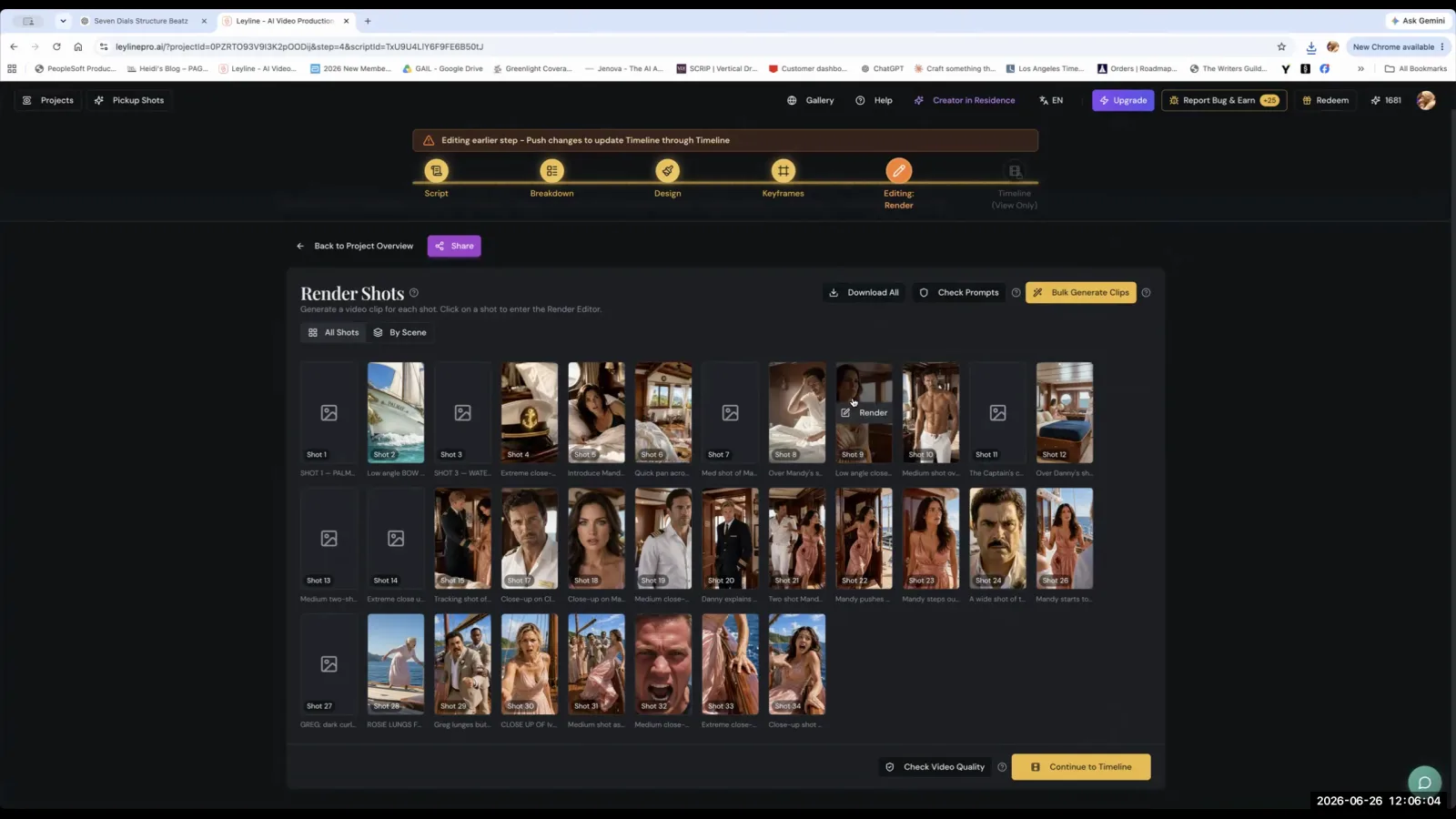
AI video editing is a hybrid process of generating clips with AI and assembling them in traditional editors. Learn a practical workflow for editing AI video.
AI-generated voice is still the weakest link in AI video. Here's where it falls short and practical workarounds using voice-over and layered sound.
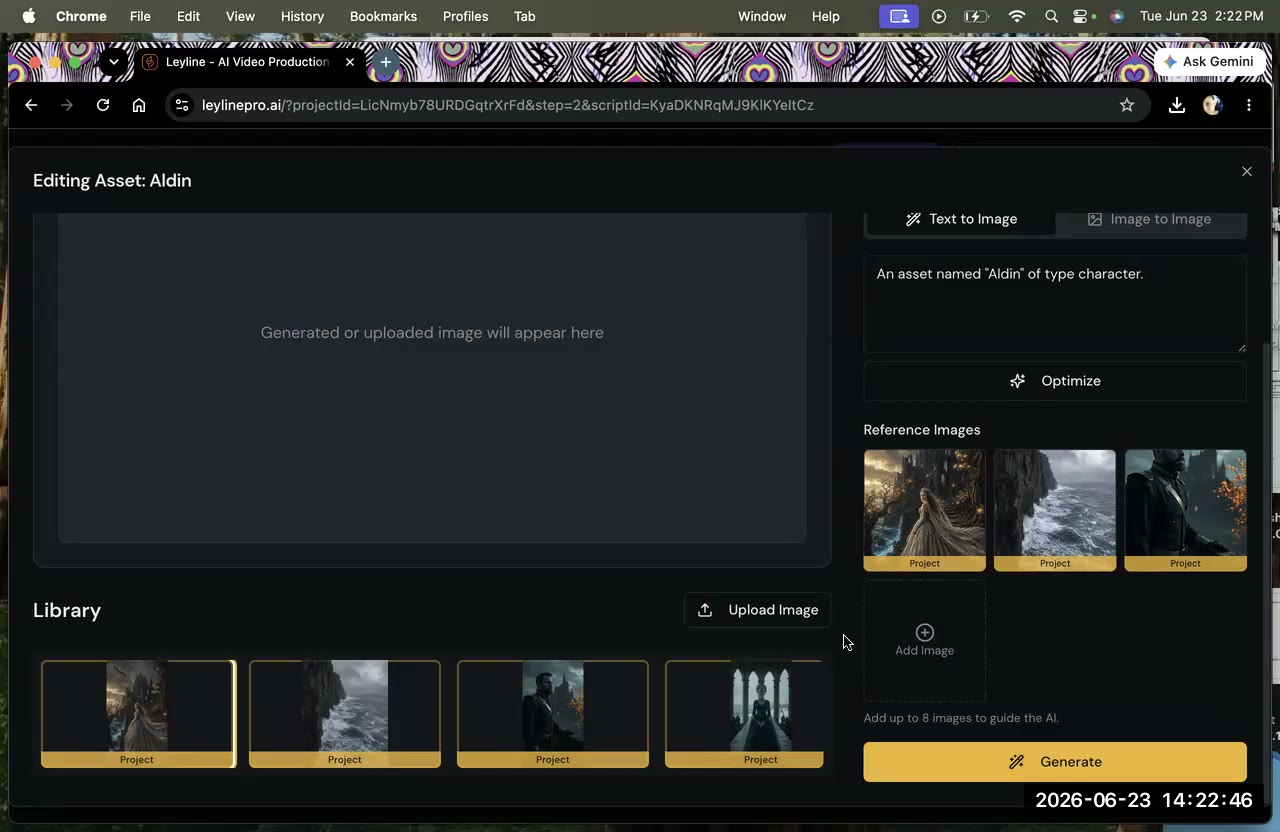
The most common AI filmmaking mix-up: project reference images vs character asset images. Here's the difference and how to assign images correctly.
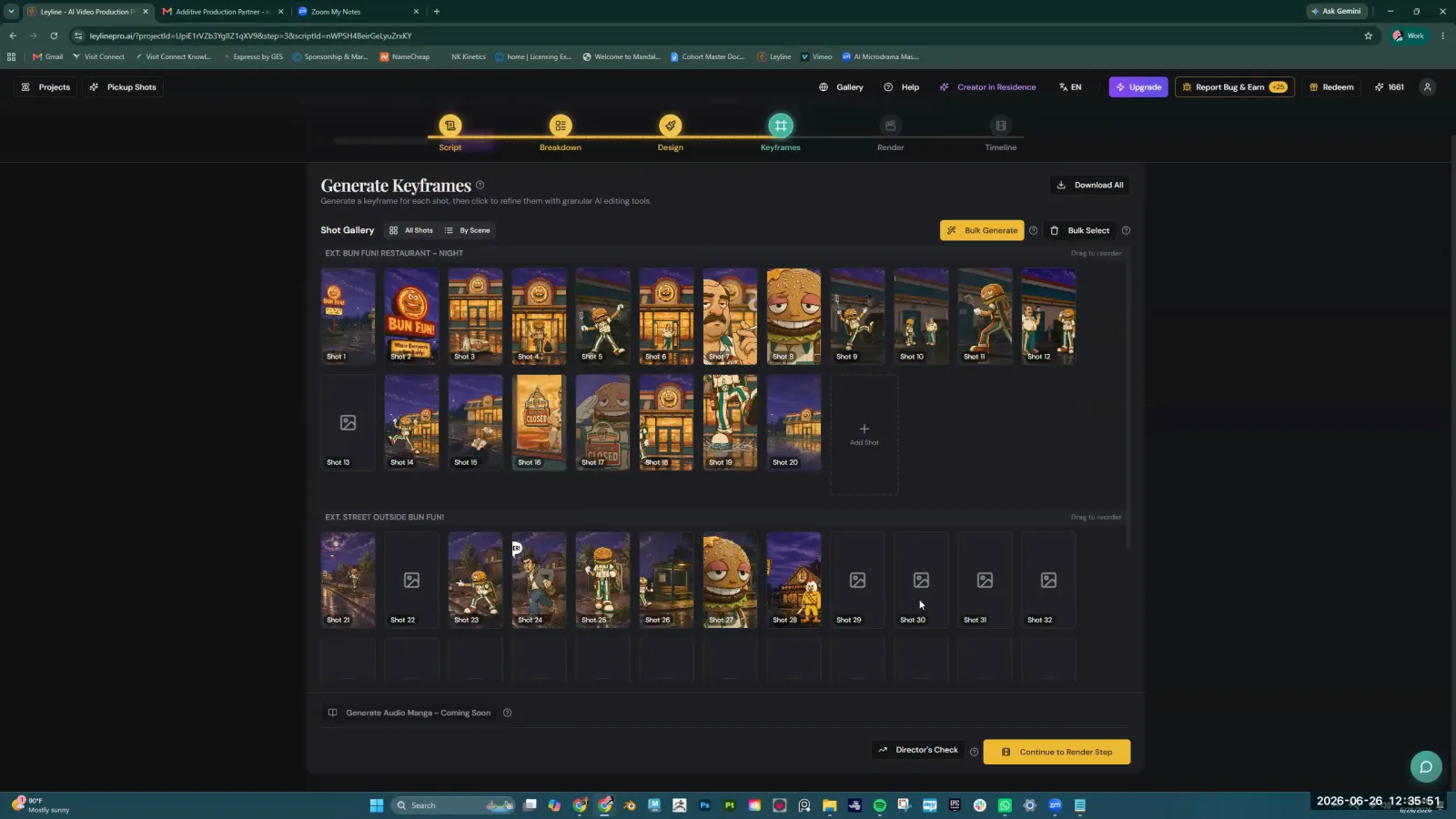
Learn the crucial difference in duration vs timeline video editing AI. This guide explains clip duration estimates and professional timeline assembly workflows.
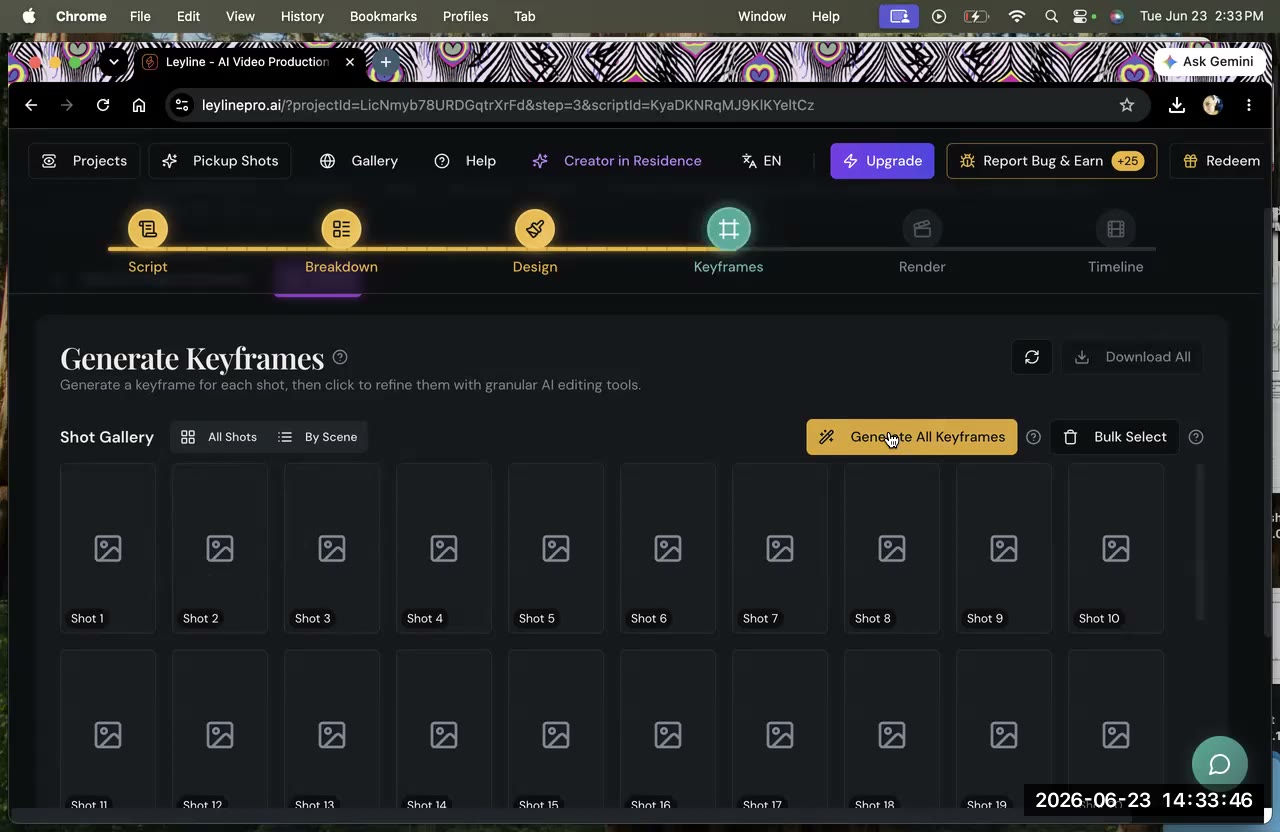
Distorted hands, morphing faces, floating or halo artifacts — here's how to fix glitchy AI video clips with negative prompts, simpler shots, and better keyframes.
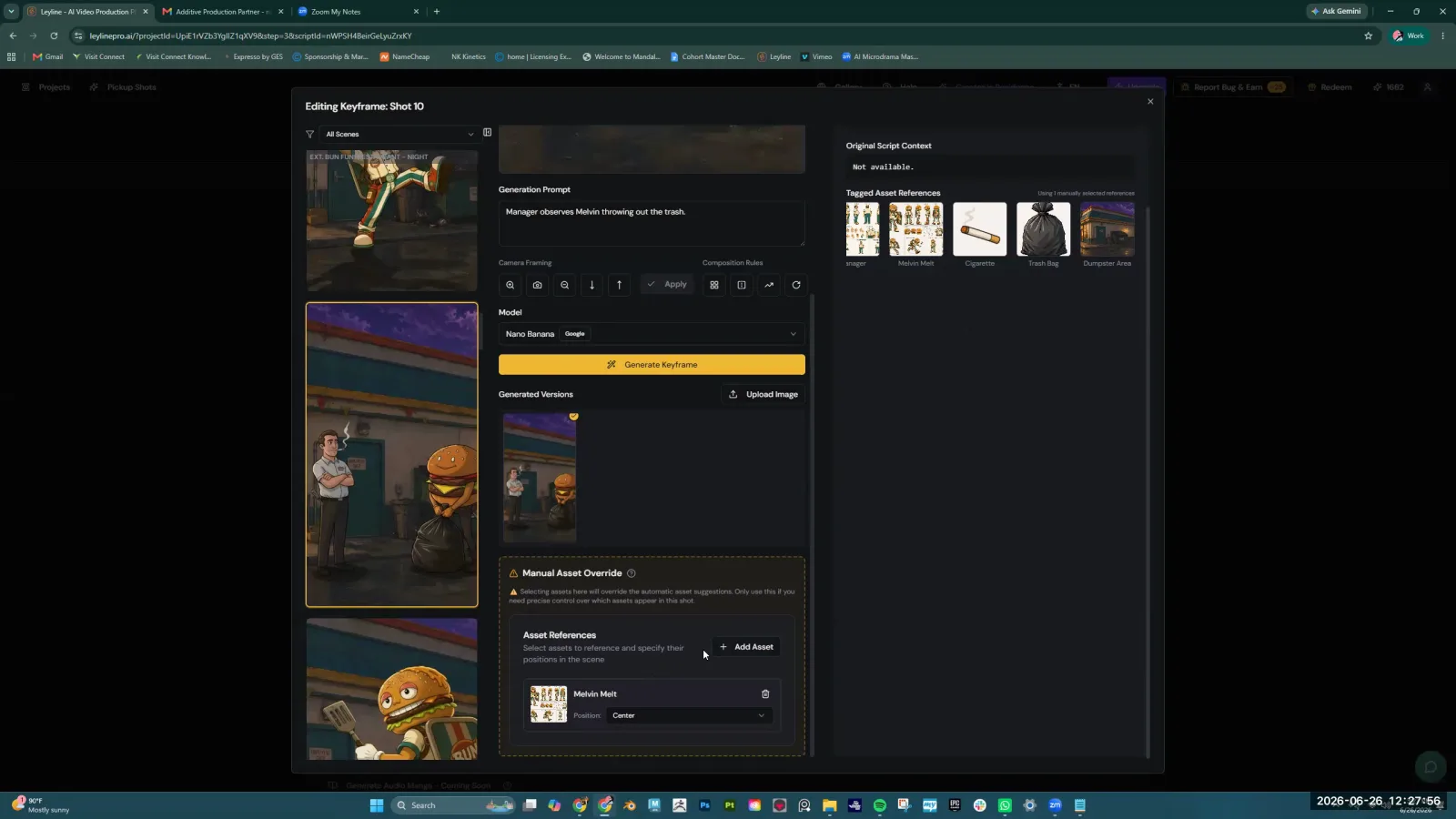
Learn how to get consistent characters AI video using expert techniques from Austin Zartman. Master prompts, models, and workflows for reliable results.
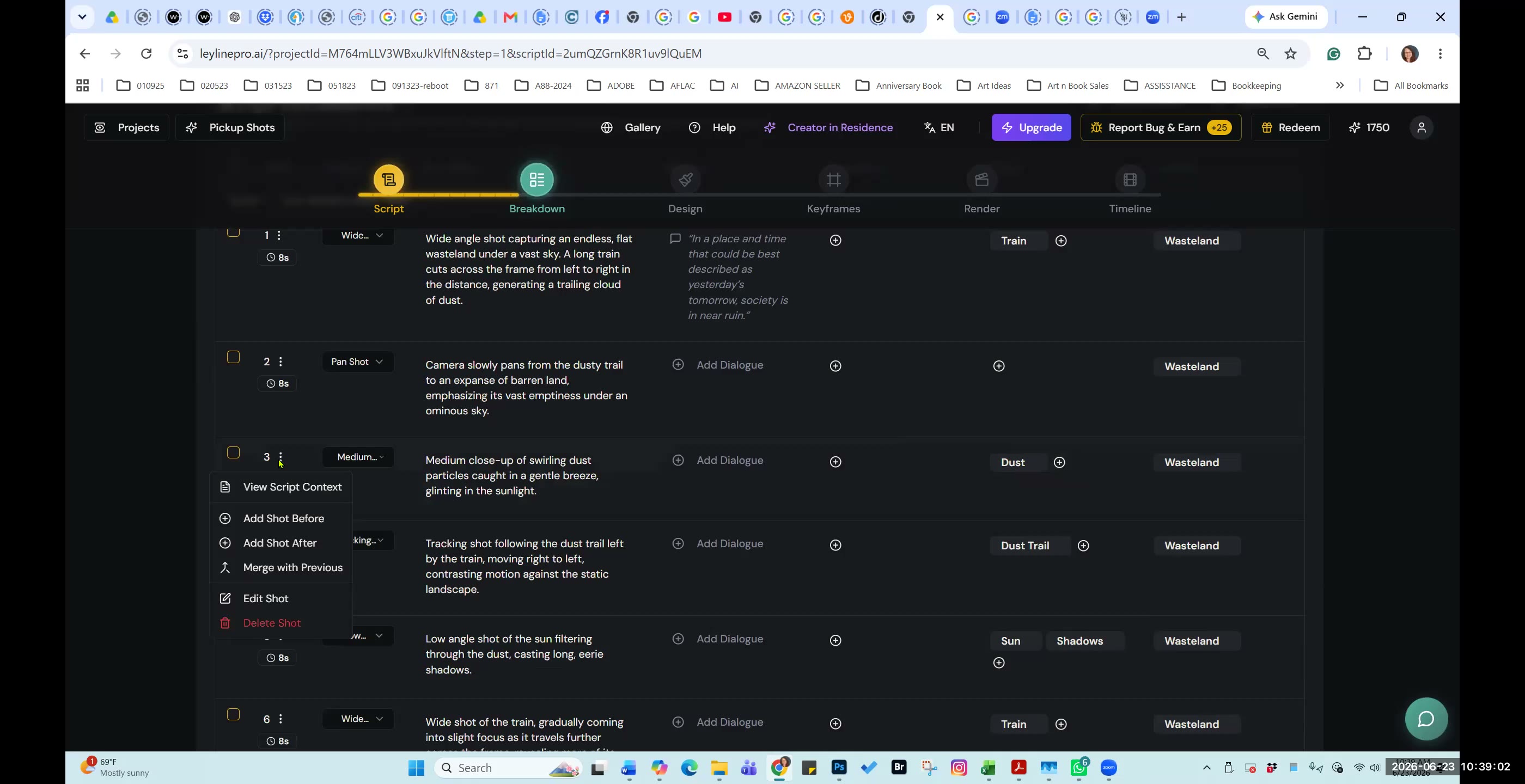
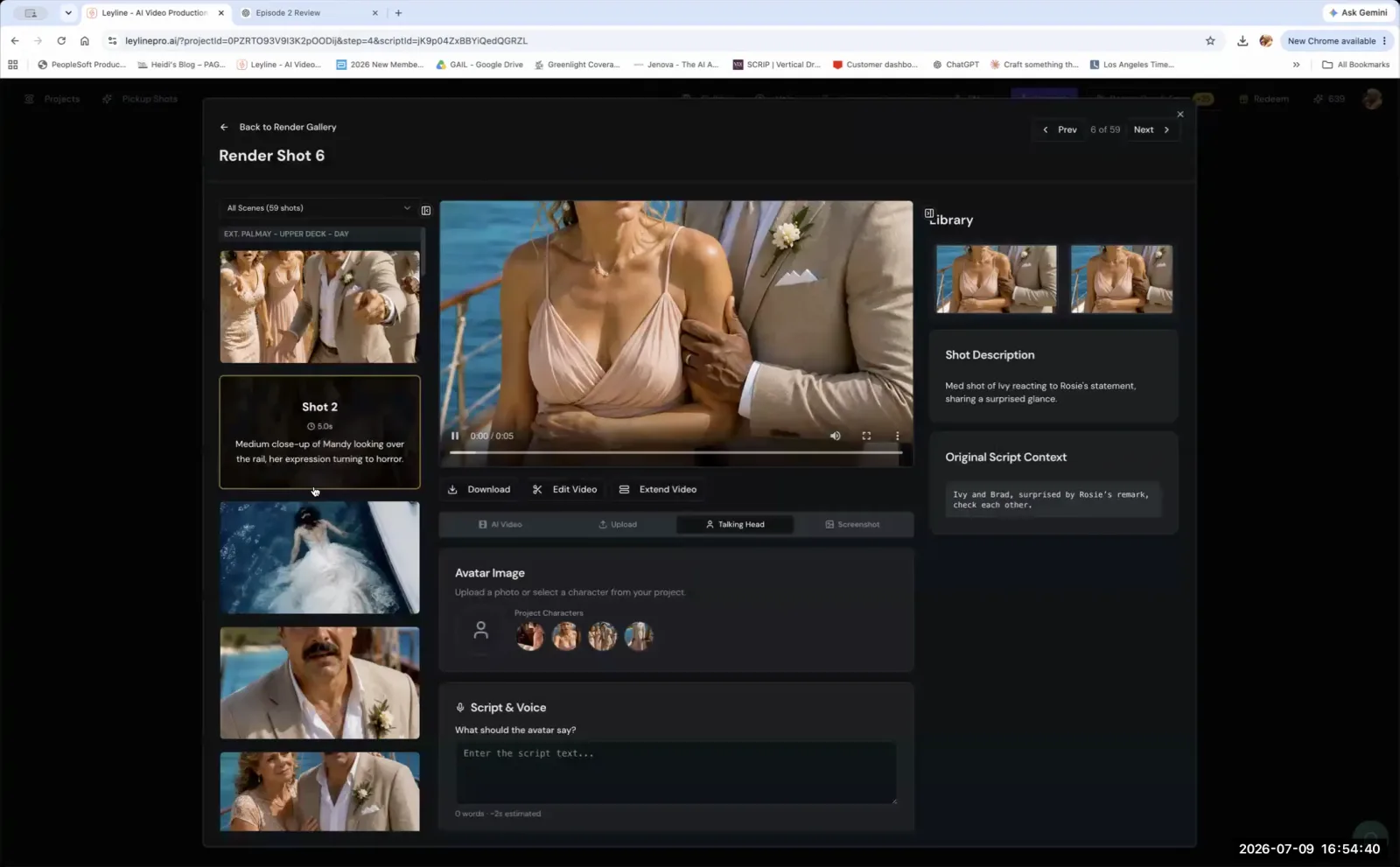
Your AI film timeline only shows a few shots? You haven't rendered them all. Here's how to generate video for every shot — one at a time or in bulk.
Stop burning render credits. Test motion in low-res, write one-action prompts, generate one shot before bulk, and lock keyframes first.
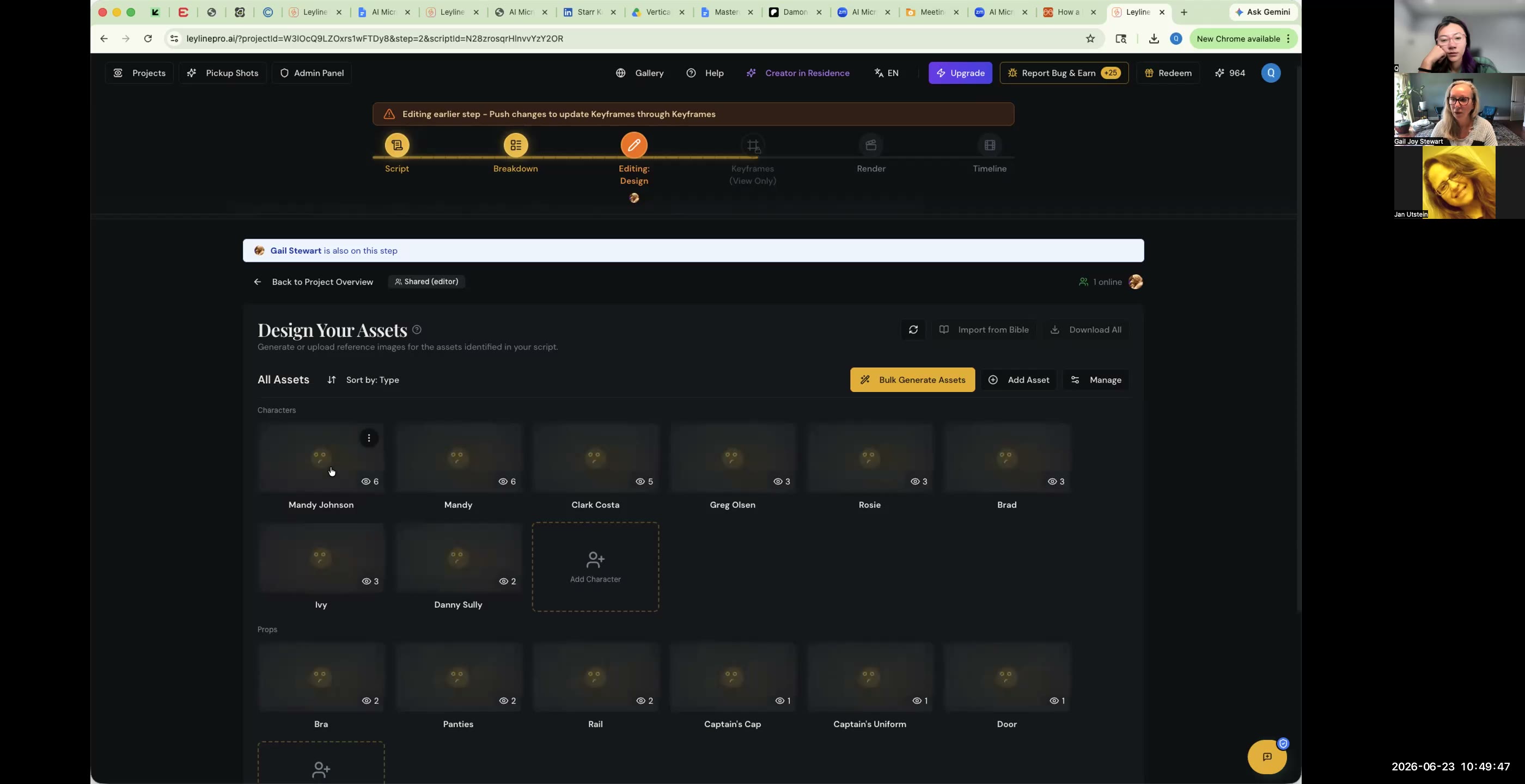
Practical prompting for AI filmmaking — specificity, the one-action rule, positive framing, and using tagged references to keep characters consistent.
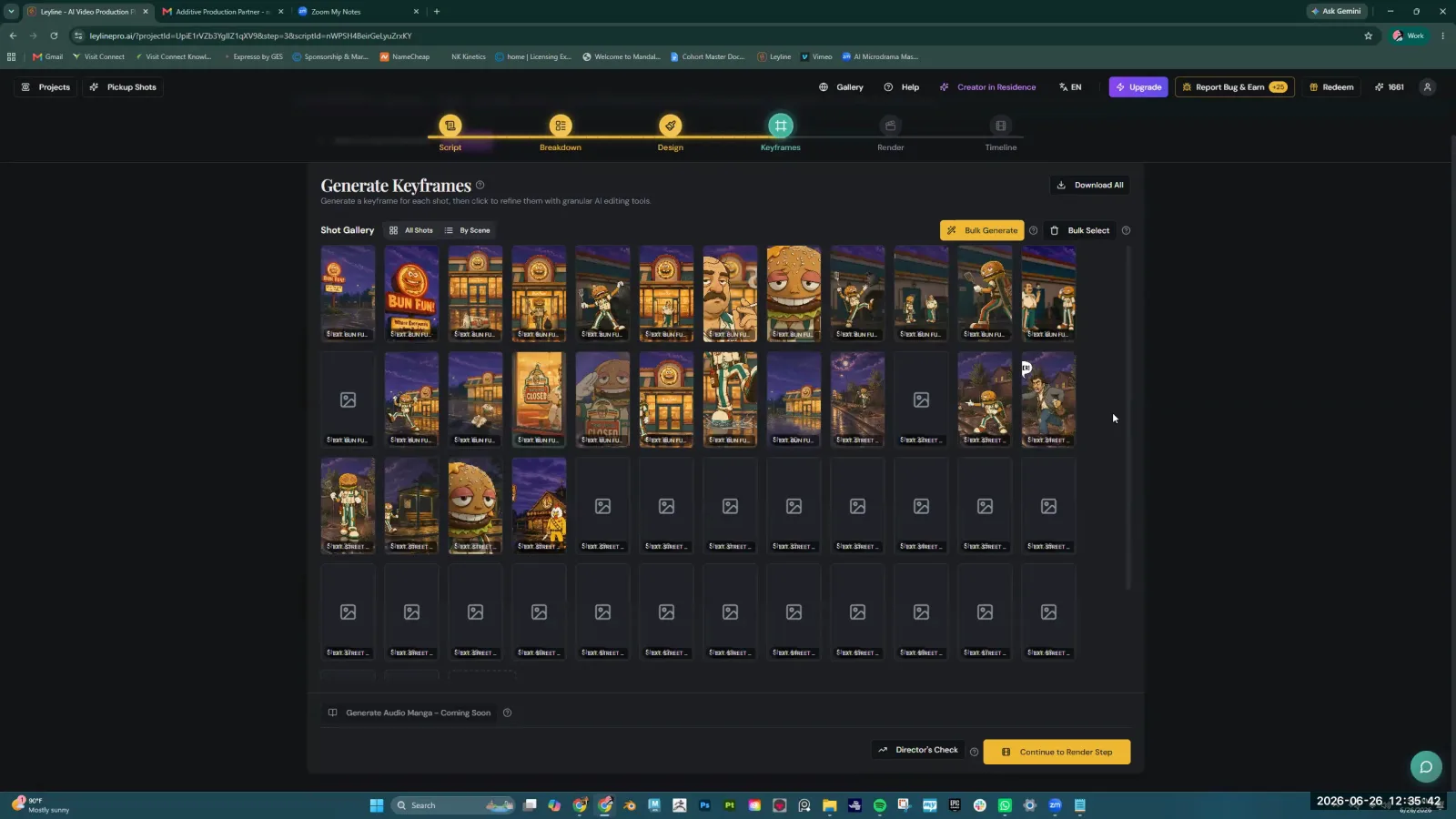
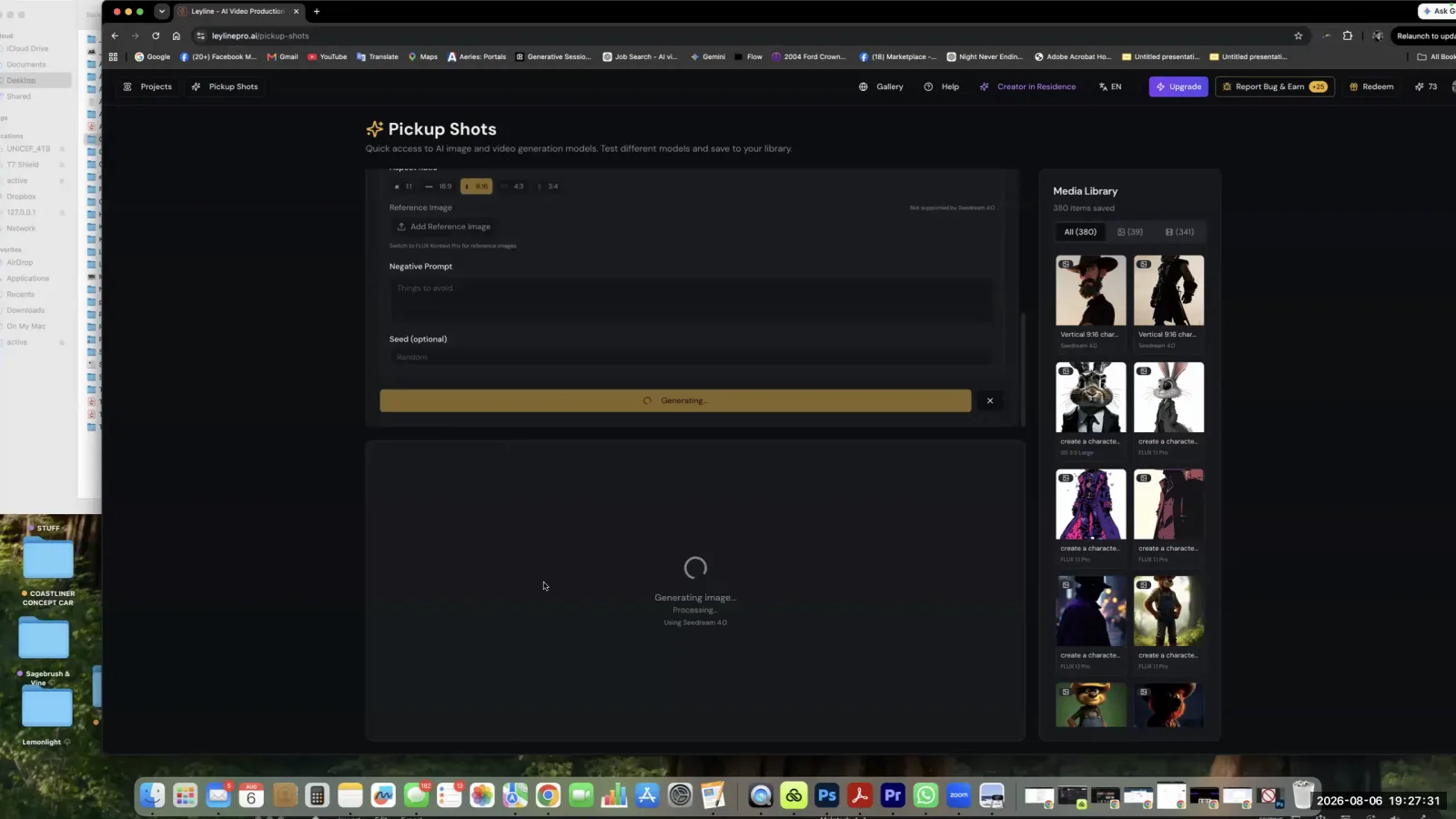
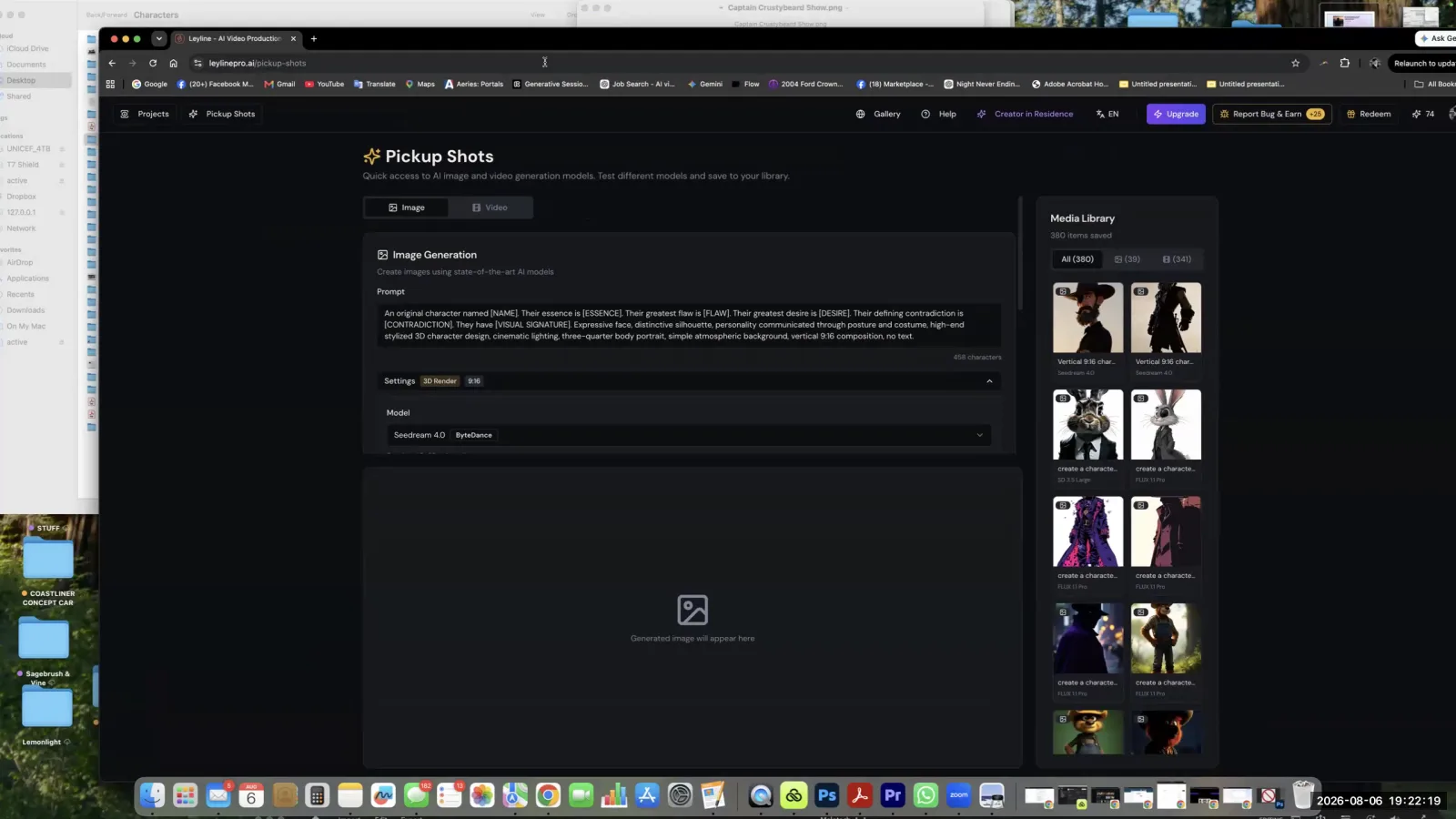
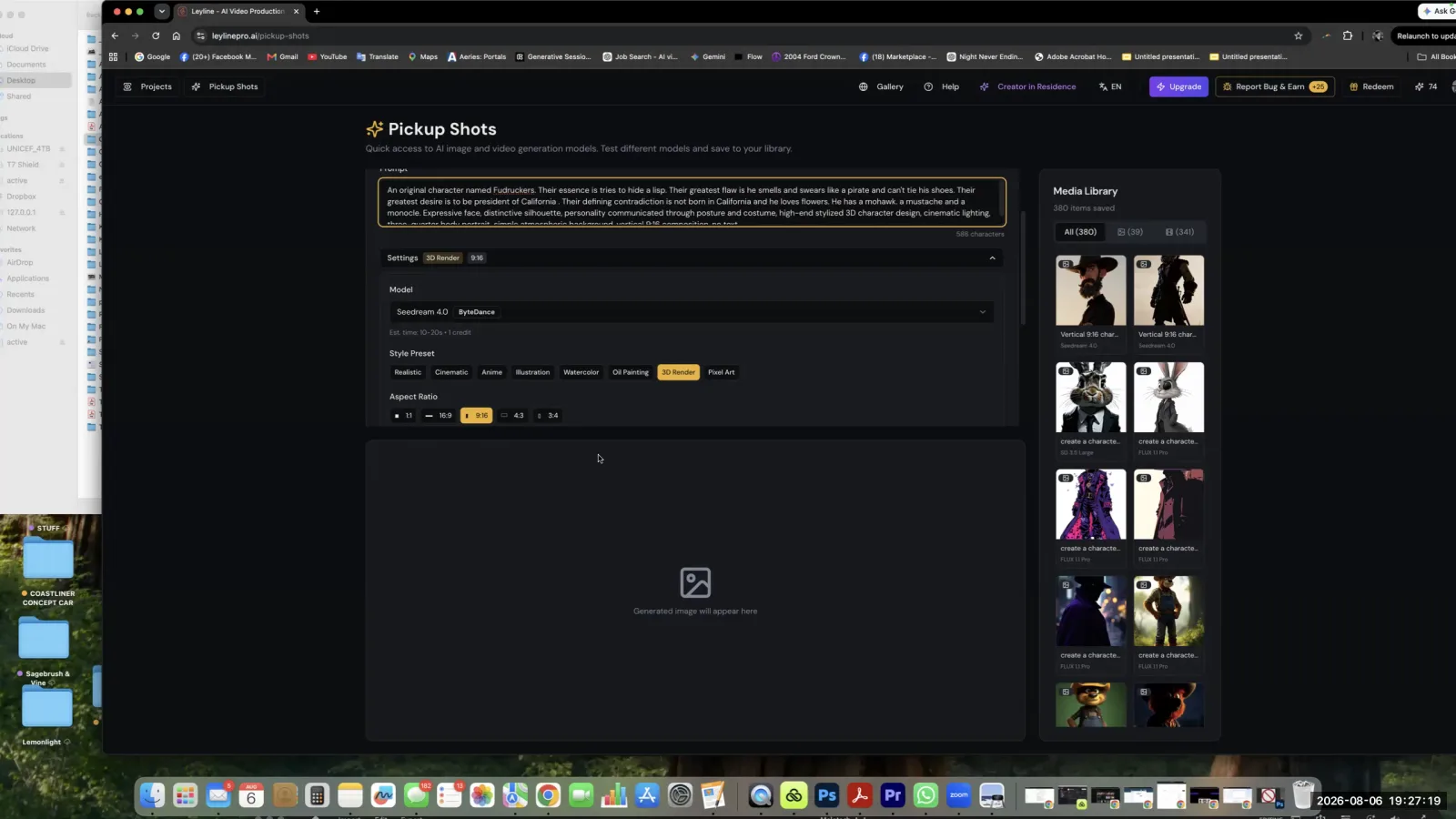
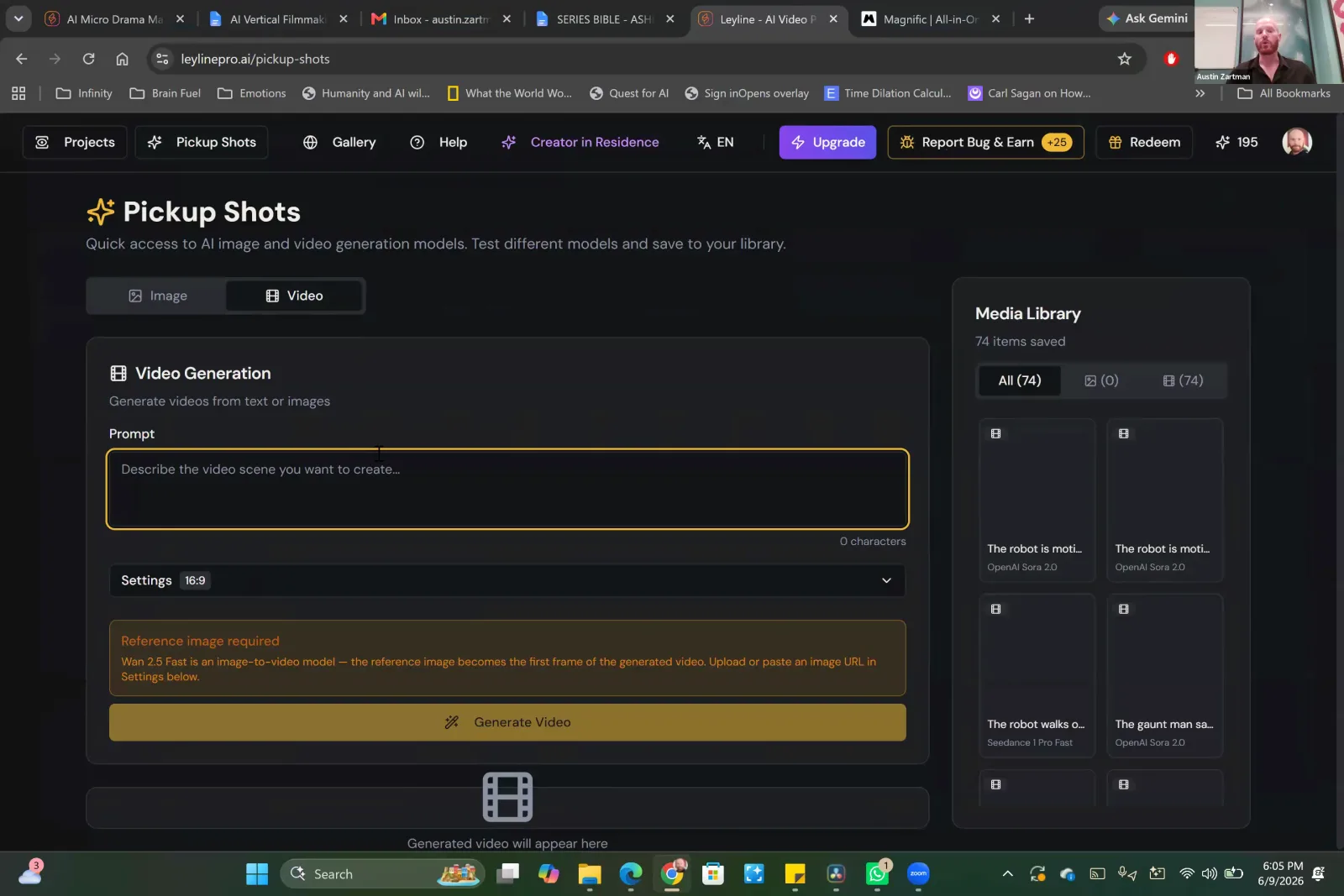
Learn the essentials of pickup shot AI filmmaking. This guide covers how to generate single clips, fill gaps in scenes, and maintain visual consistency.
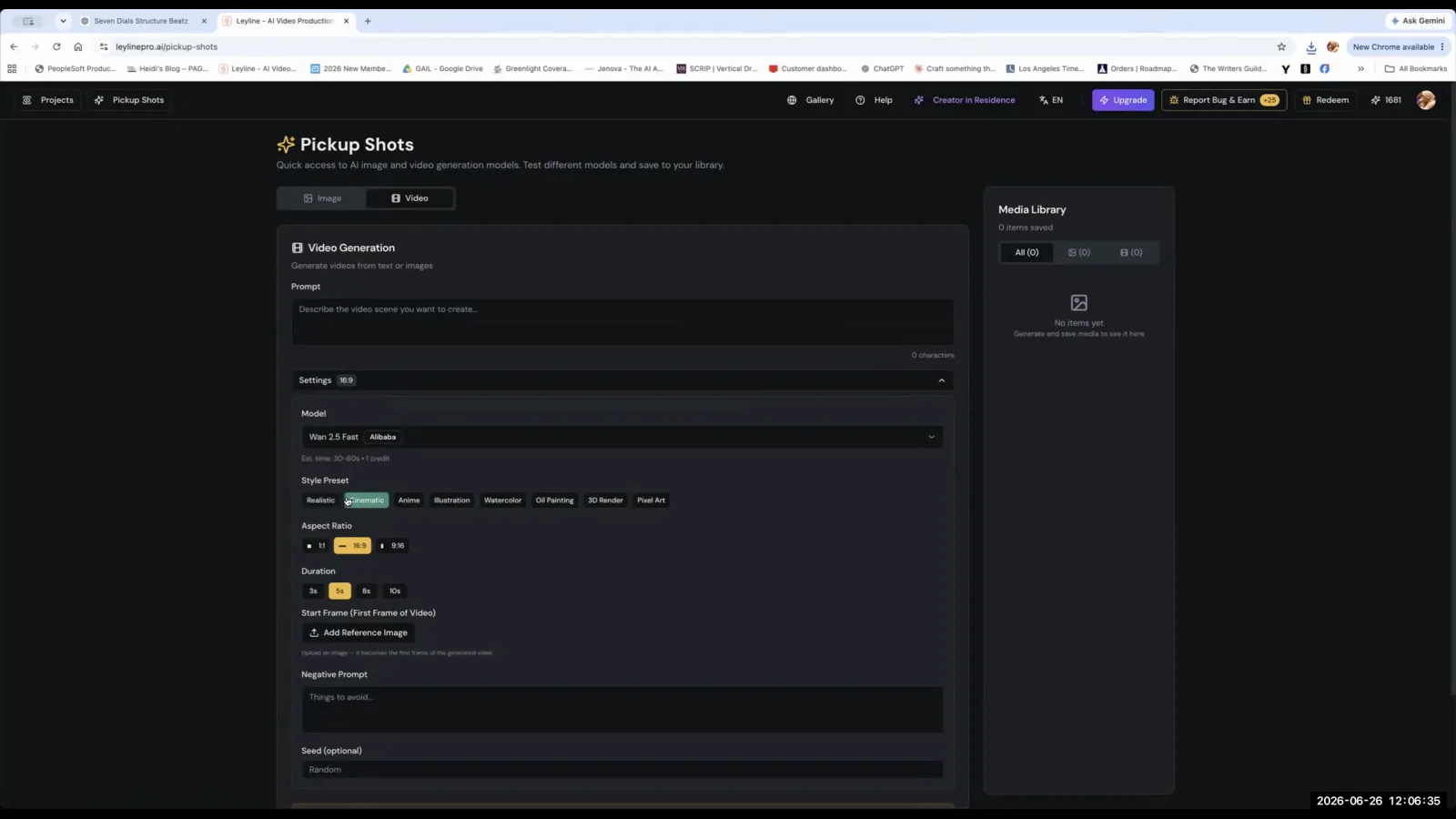
An AI video generator creates video clips from text prompts and reference images. Learn the best models like Cling, key settings like 9:16, and prompt rules.
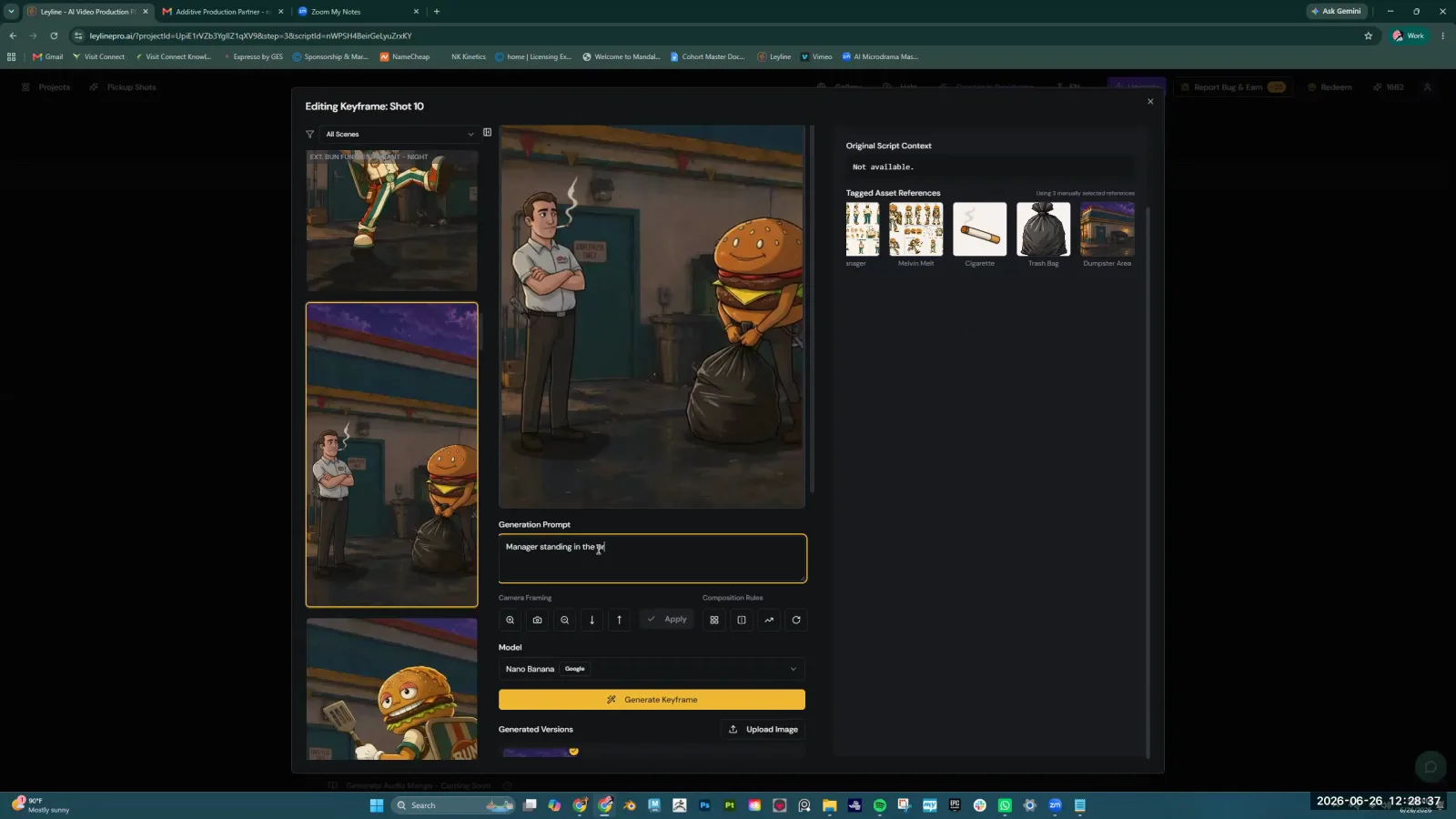
Learn how negative prompting AI video gives you more control. This guide covers how to use negative prompts to remove unwanted audio, styles, and artifacts.
A practical guide to choosing an AI model for your film — when to use Nano Banana, Seedance, Veo 3, or Kling — based on the task, not the hype.

Learn how to use an AI video generator effectively. This guide covers prompt writing, generation time, and quality control, with advice from AI filmmaker Austin Zartman.
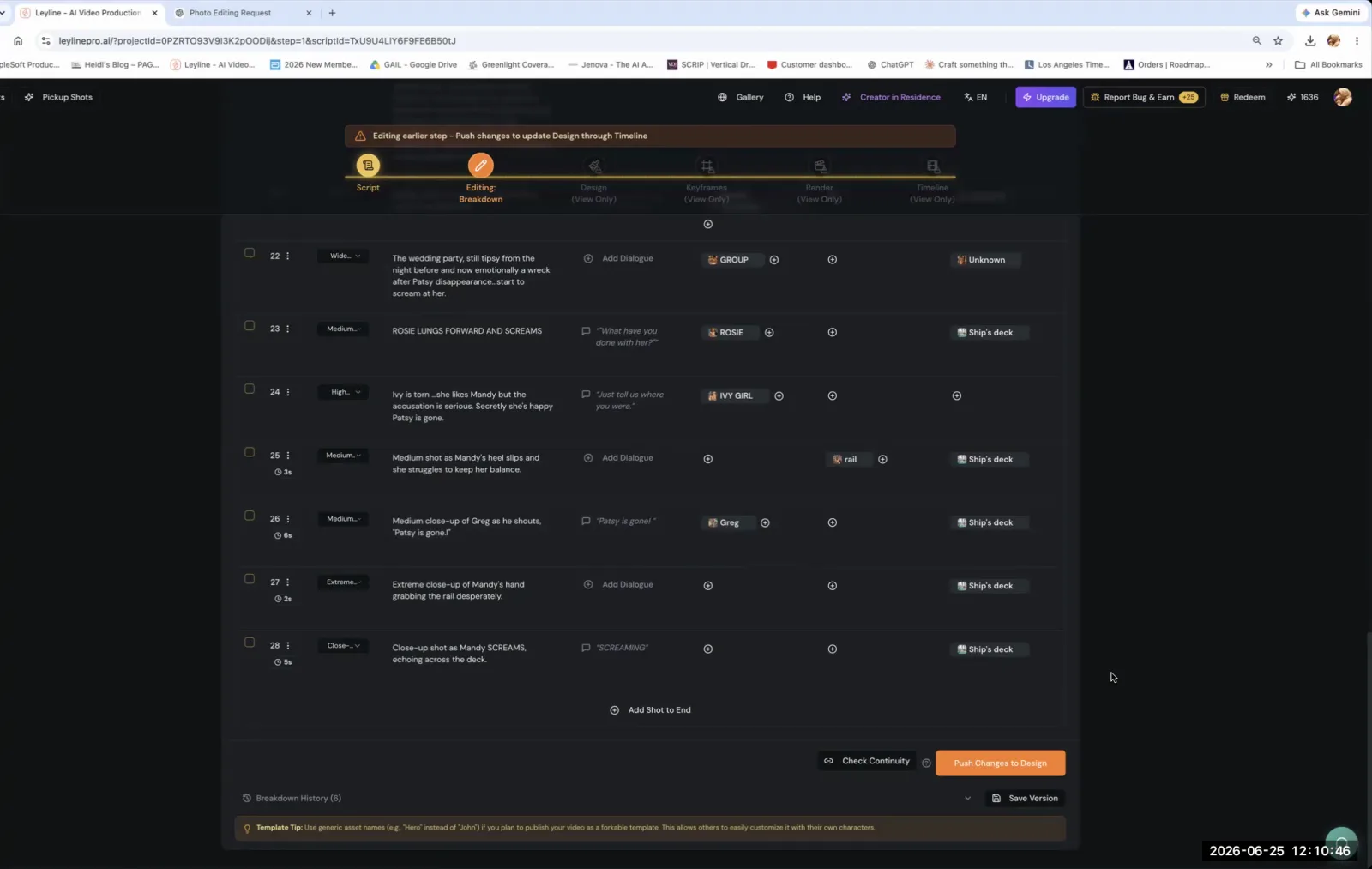
Learn how to make vertical dramas with AI using a step-by-step workflow. This guide covers shot generation, prompt writing, and refining your AI video.
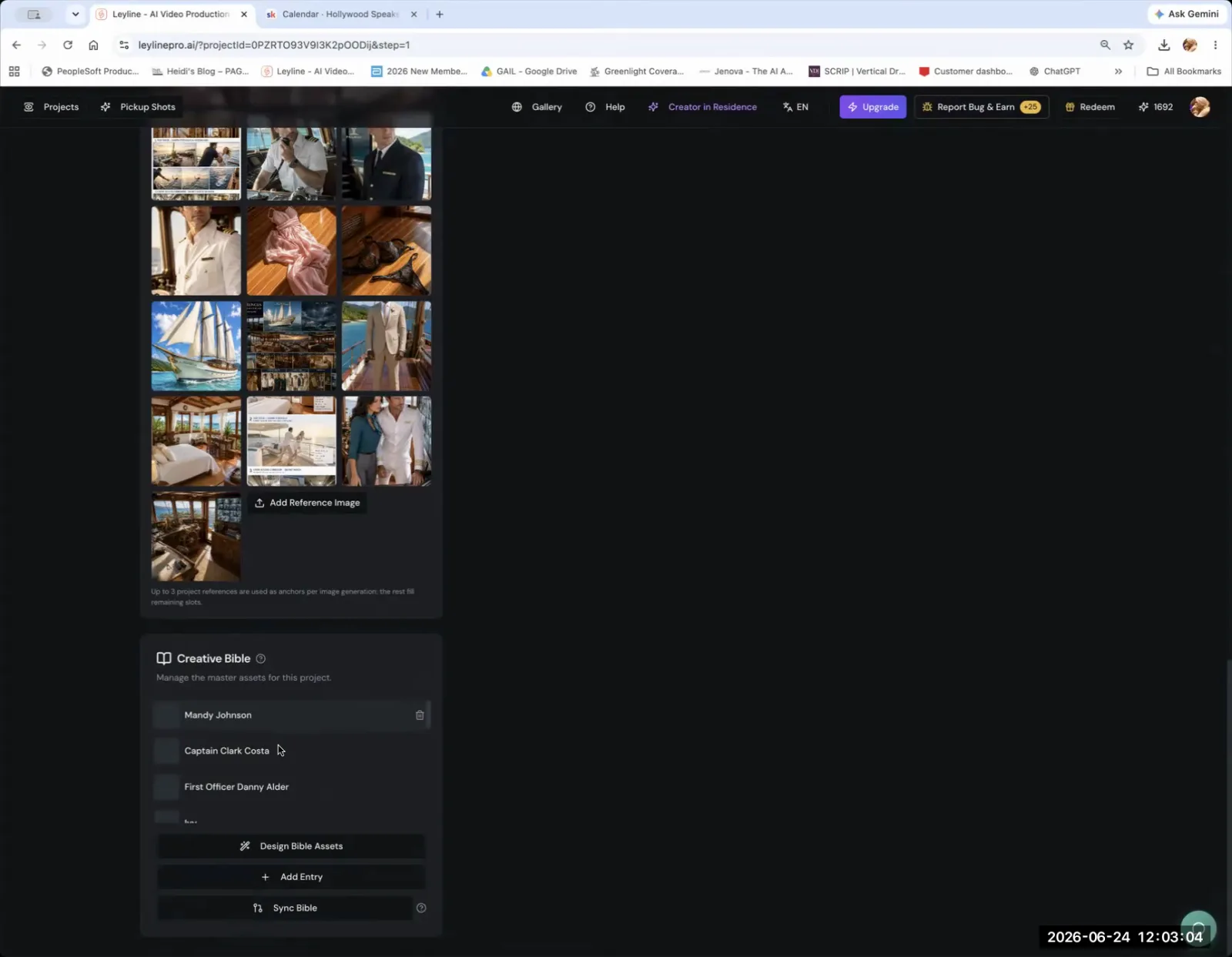
Learn about the essential AI filmmaking tools for creators. This guide covers core components, consistency management, workflows, and the role of human oversight.
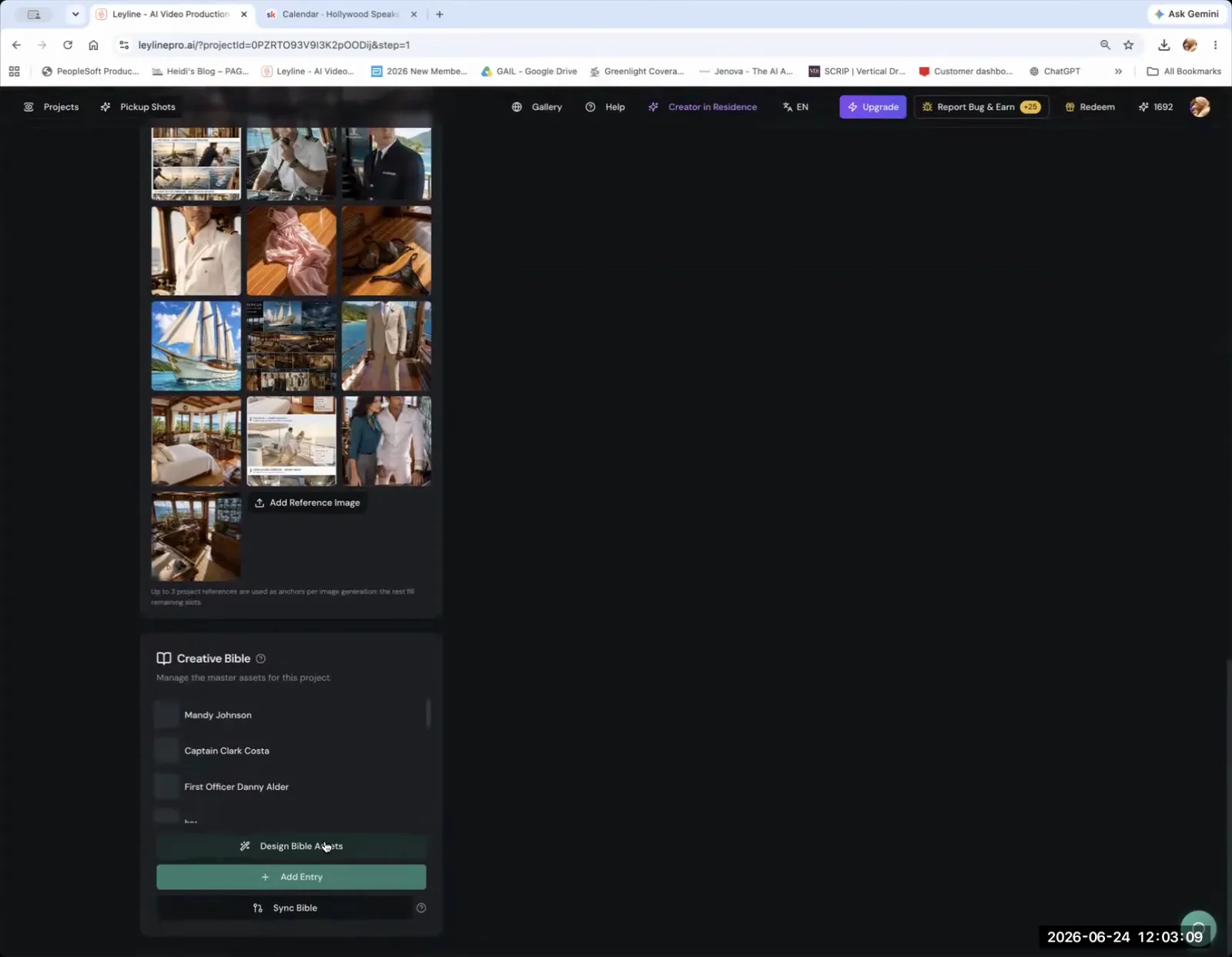
Learn how to achieve AI video generator consistency. This guide covers tagged references, mood boards, and structured workflows for coherent AI video.
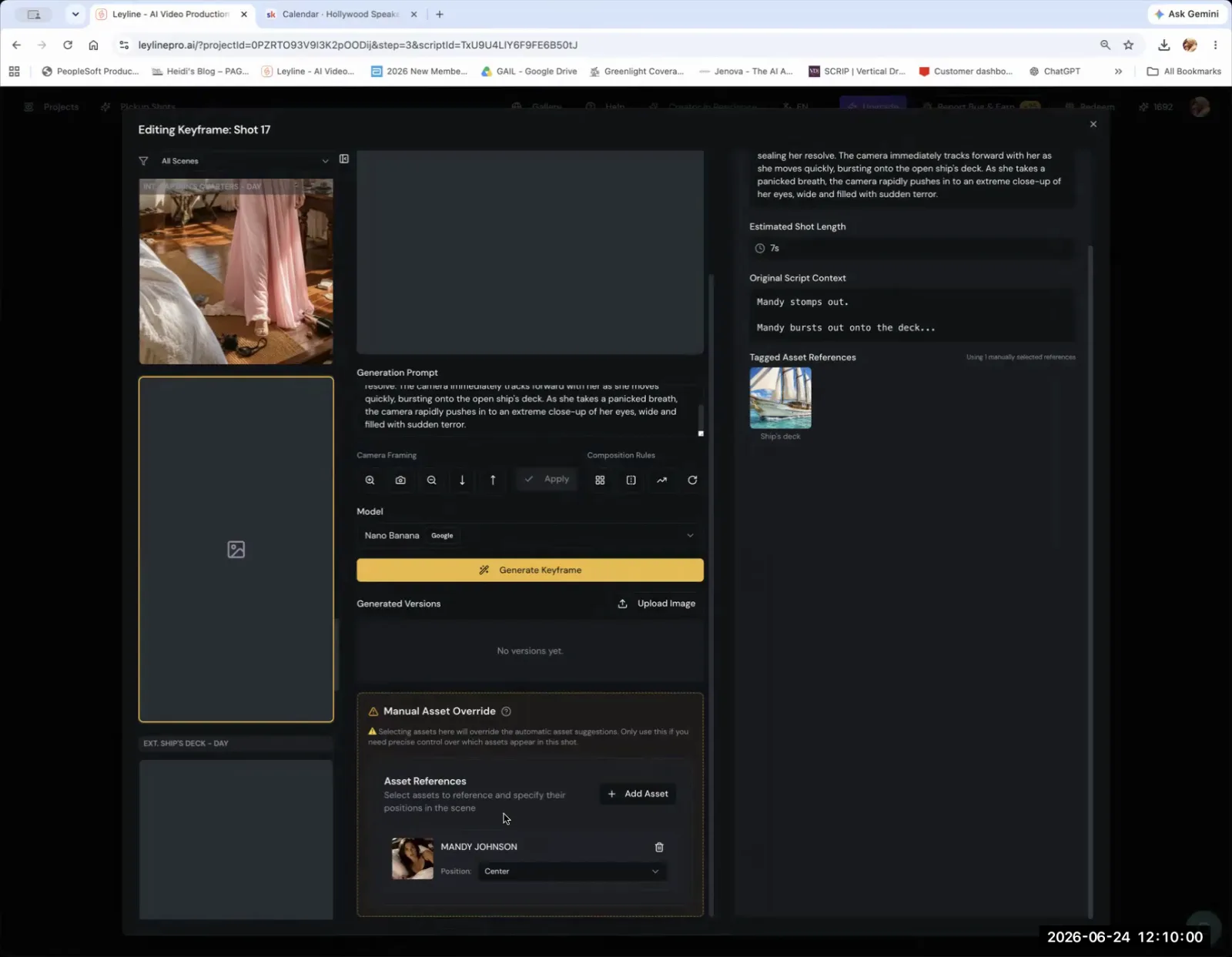
Learn how an app for script breakdown is a critical tool for AI filmmaking. Organize assets, ensure consistency, and automate keyframes in your workflow.
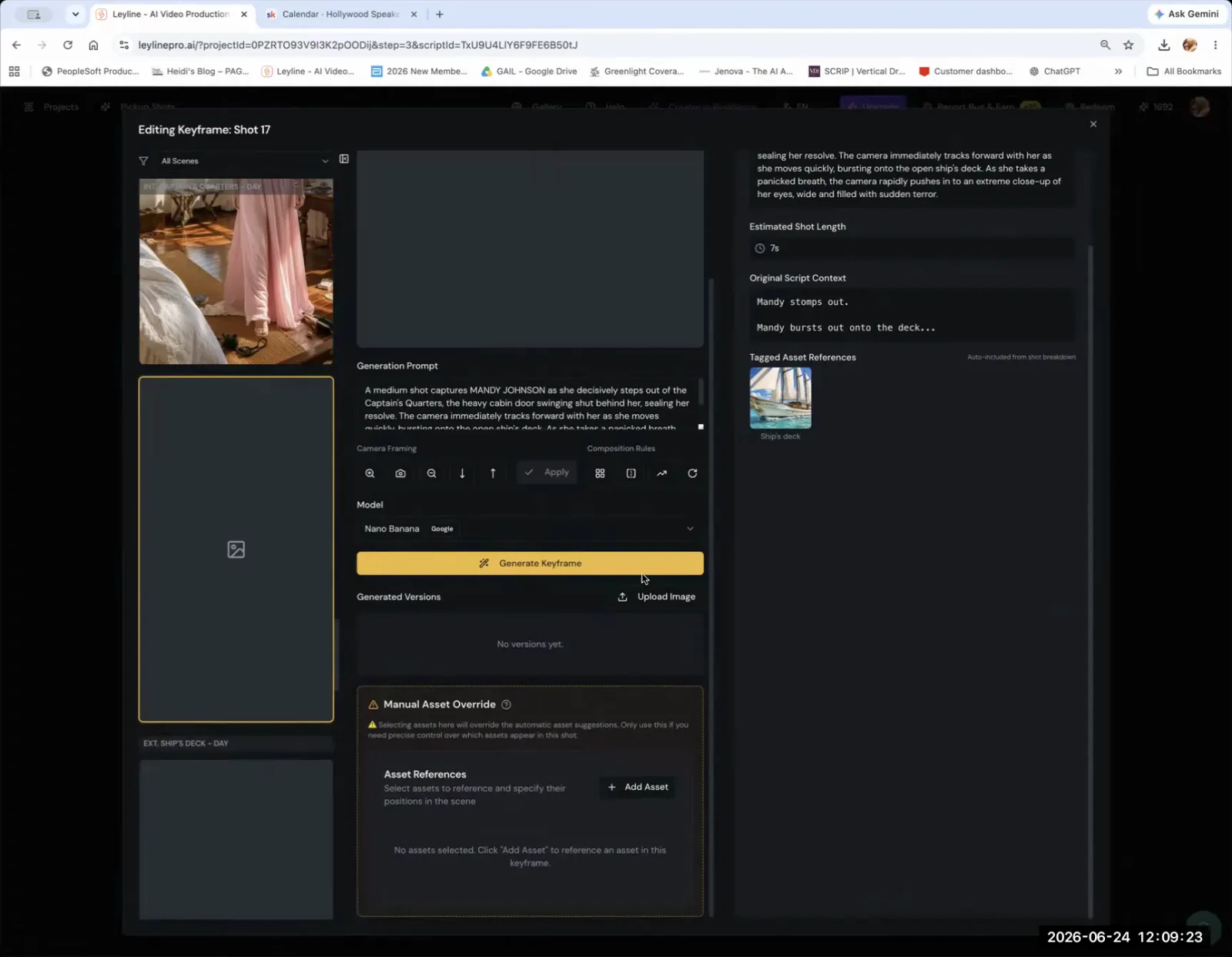
A script breakdown is the process of analyzing a script to identify all production elements. Learn why this step is critical for AI filmmaking consistency.
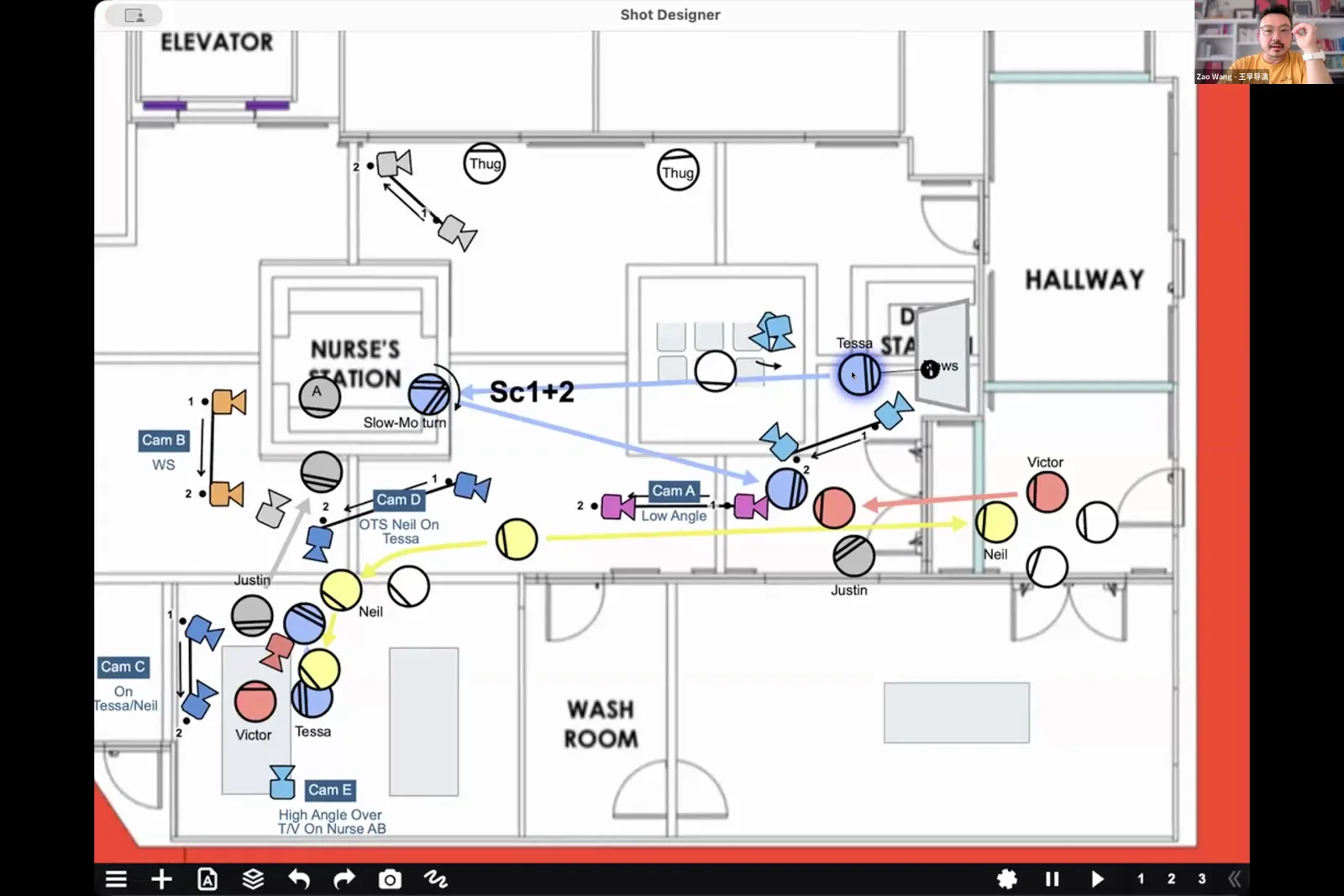
Real questions from creators building their first AI micro-dramas — script length, character consistency, the Creative Bible, breakdown shots, and keyframes — with the practical fixes.
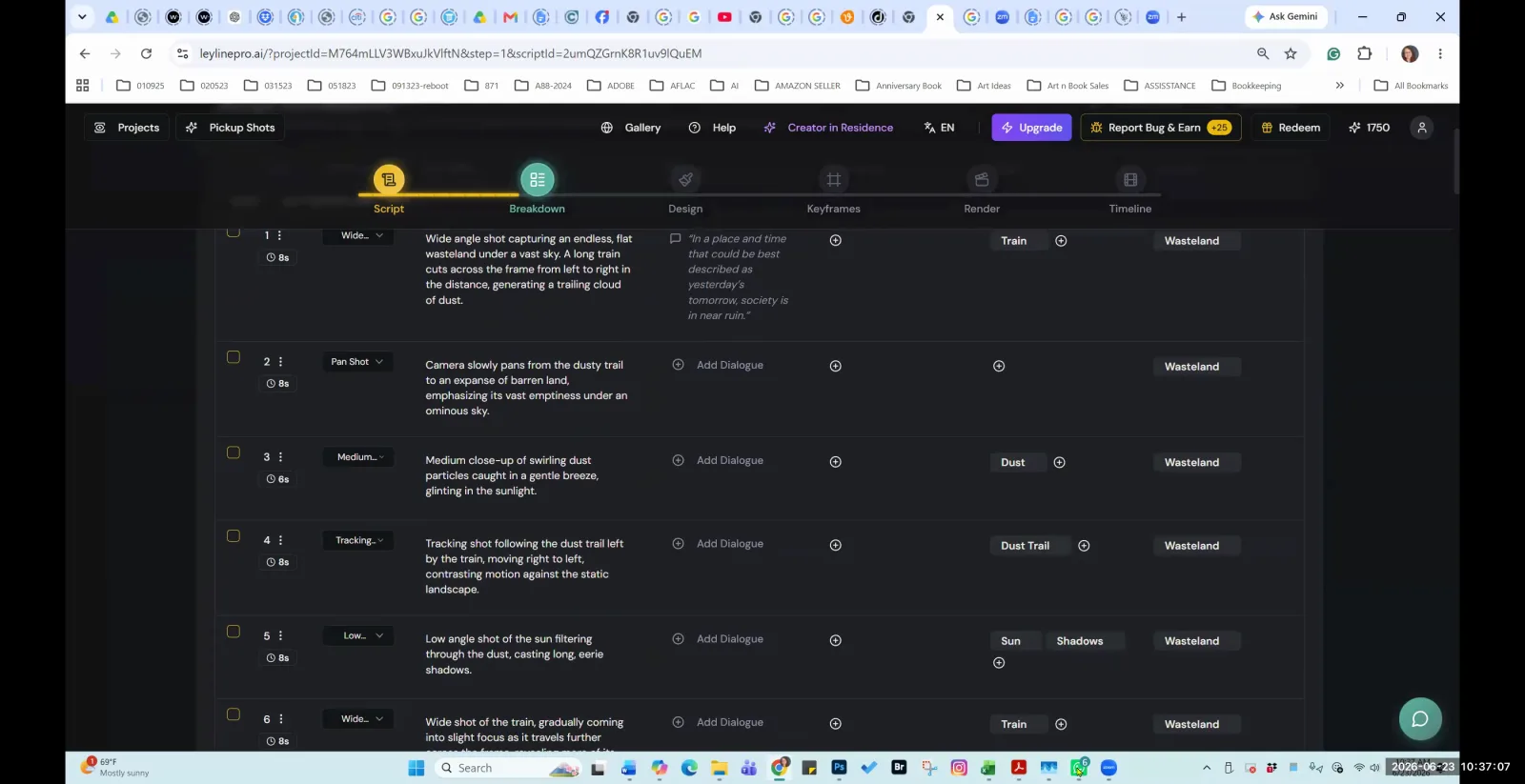
The best AI filmmaking software includes features for bulk generation, manual shot editing, and specialized templates for vertical video. Learn key features.
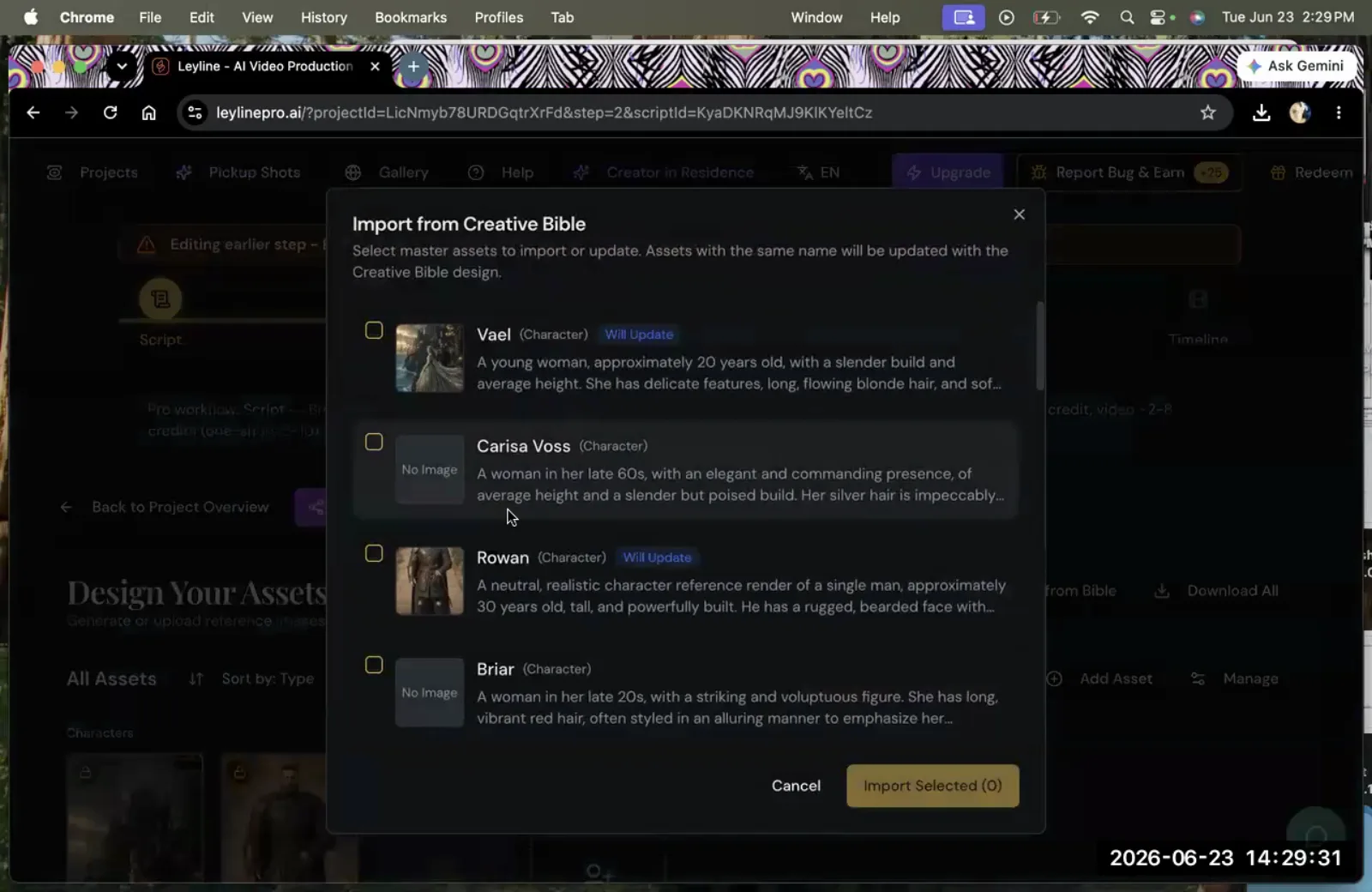
Learn how to fix spatial errors and achieve directional consistency AI video by correcting the keyframe. A practical guide for AI filmmakers.
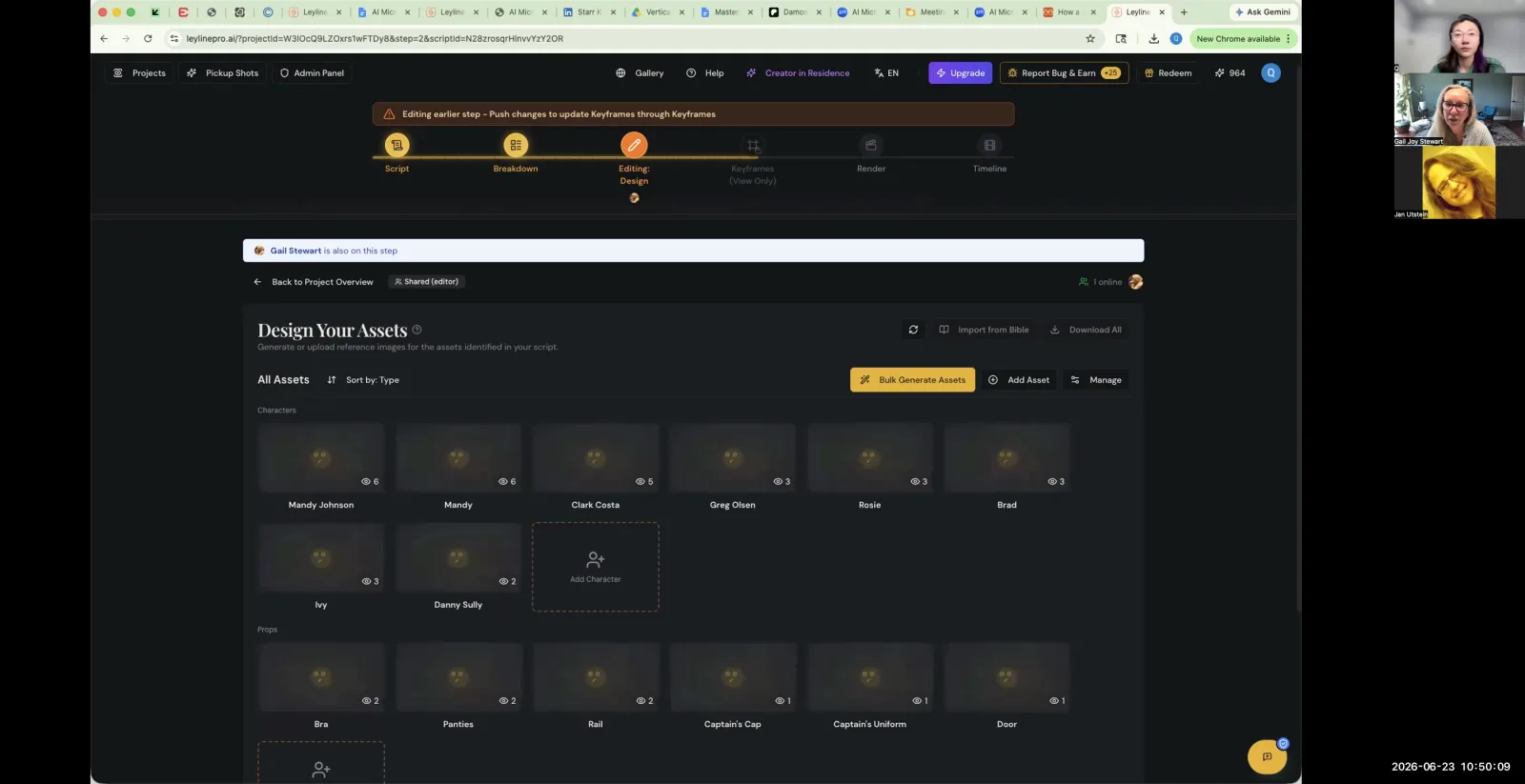
Learn how to build AI short film projects with this practical guide. Follow a step-by-step workflow for scripts, characters, and asset management.
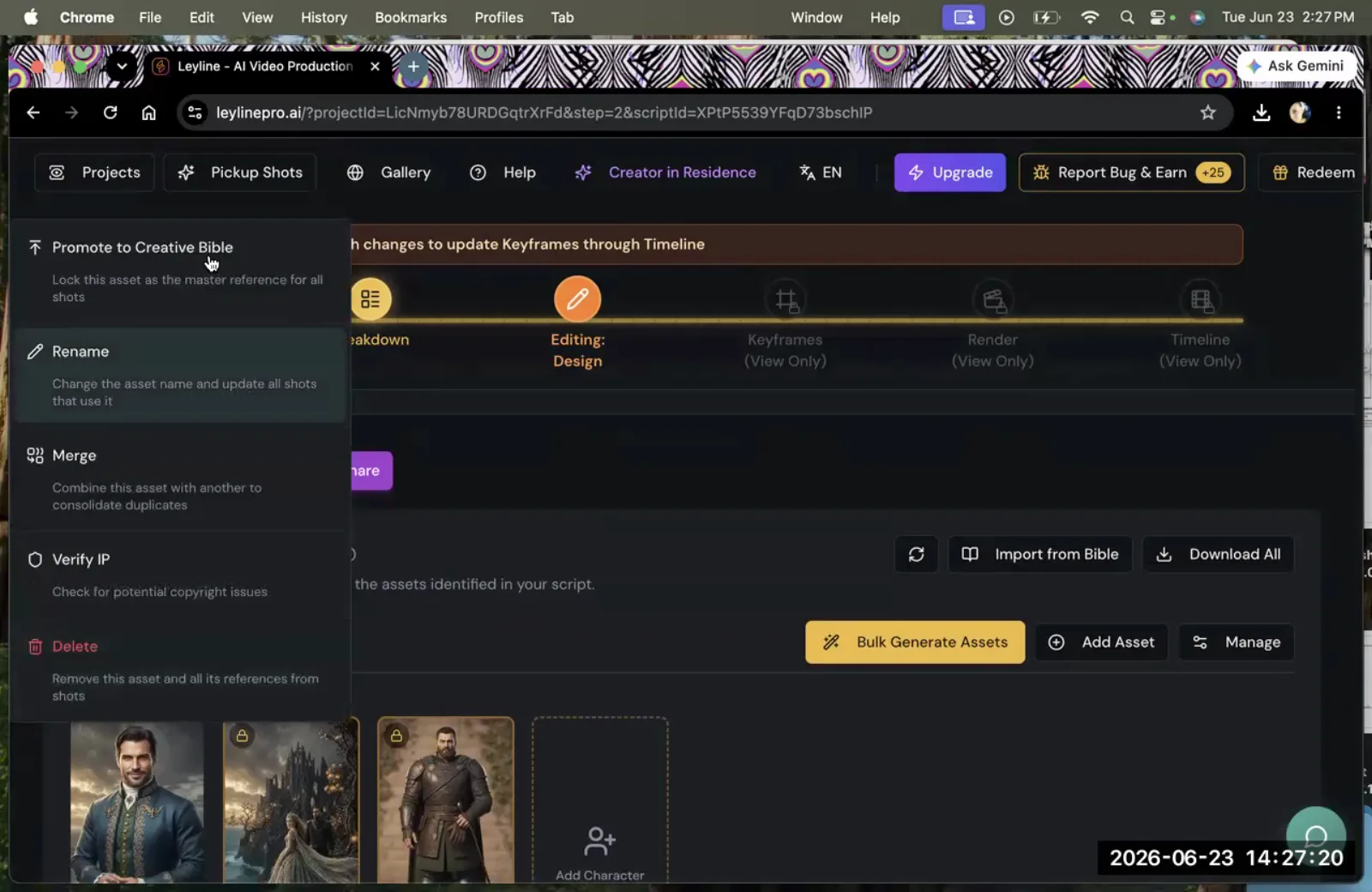
Learn how to create a short film with AI using a practical, step-by-step workflow. This guide covers character setup, video generation, and common challenges.
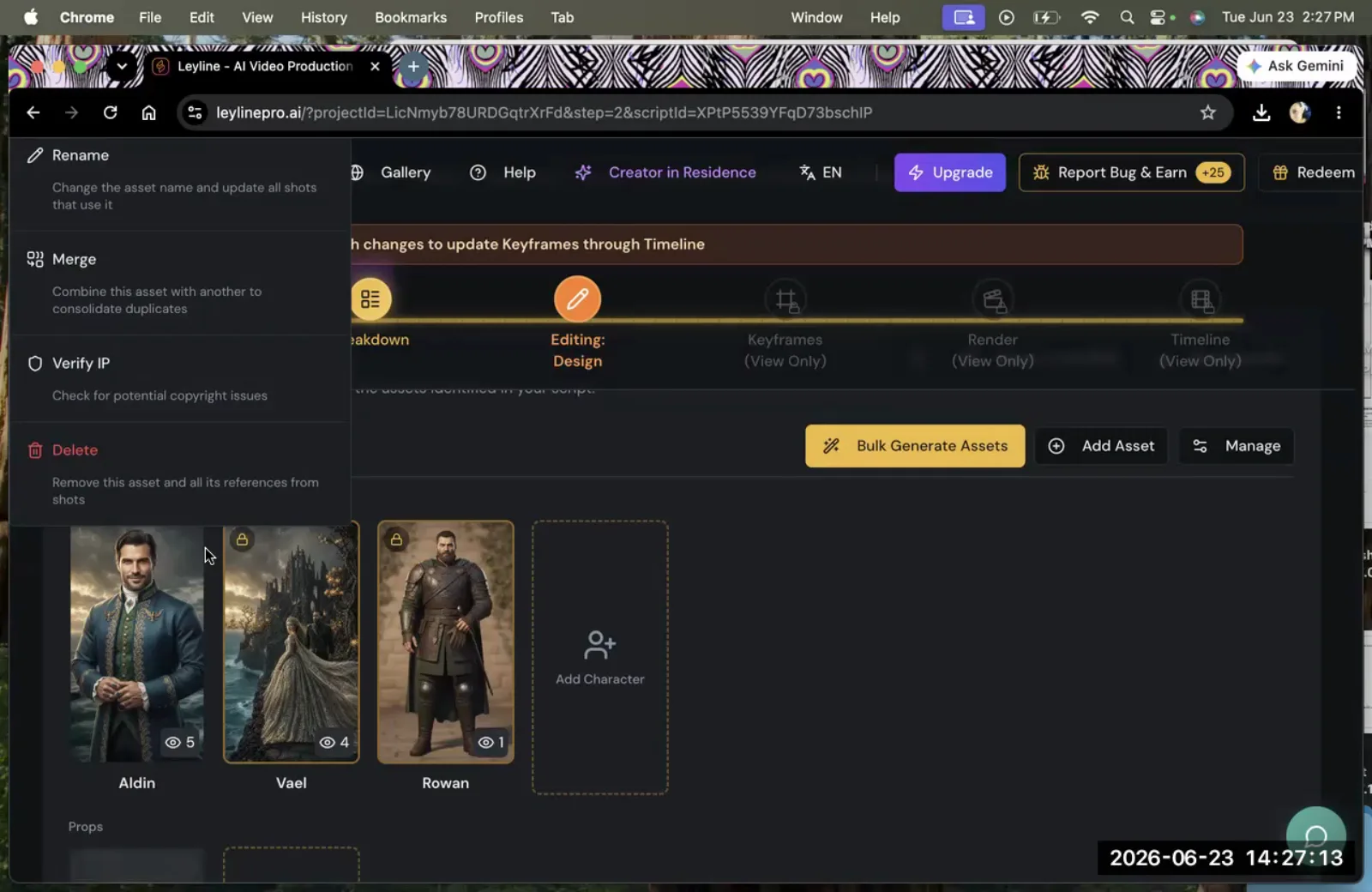
Learn how to maintain character consistency in AI video. This guide covers workflows for reference images, the Creative Bible, and fixing inconsistencies.
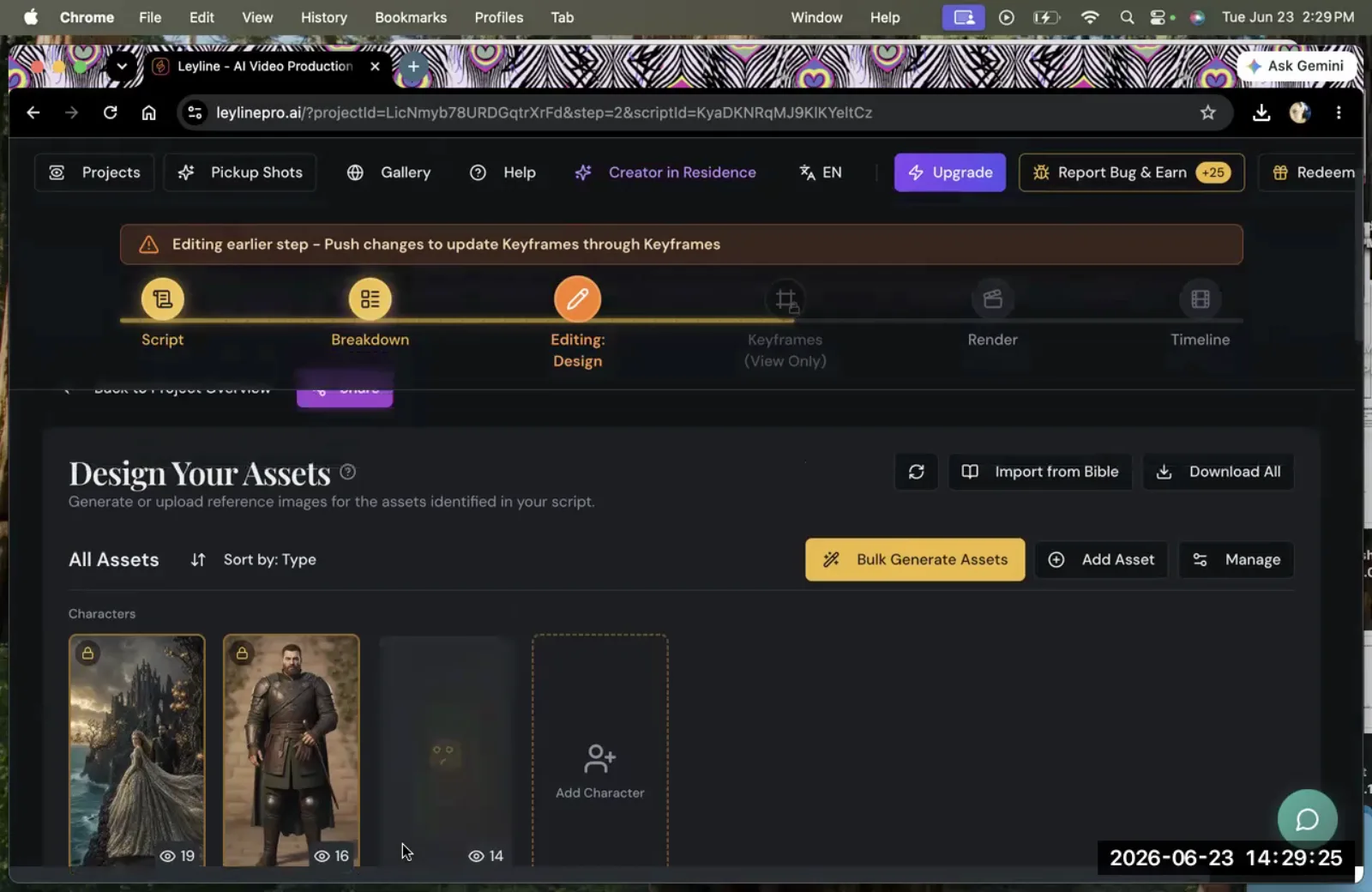
Learn how to create a seed dance AI video using the tool favored by filmmaker Austin Zartman. This guide covers rendering, iteration, and resource management.
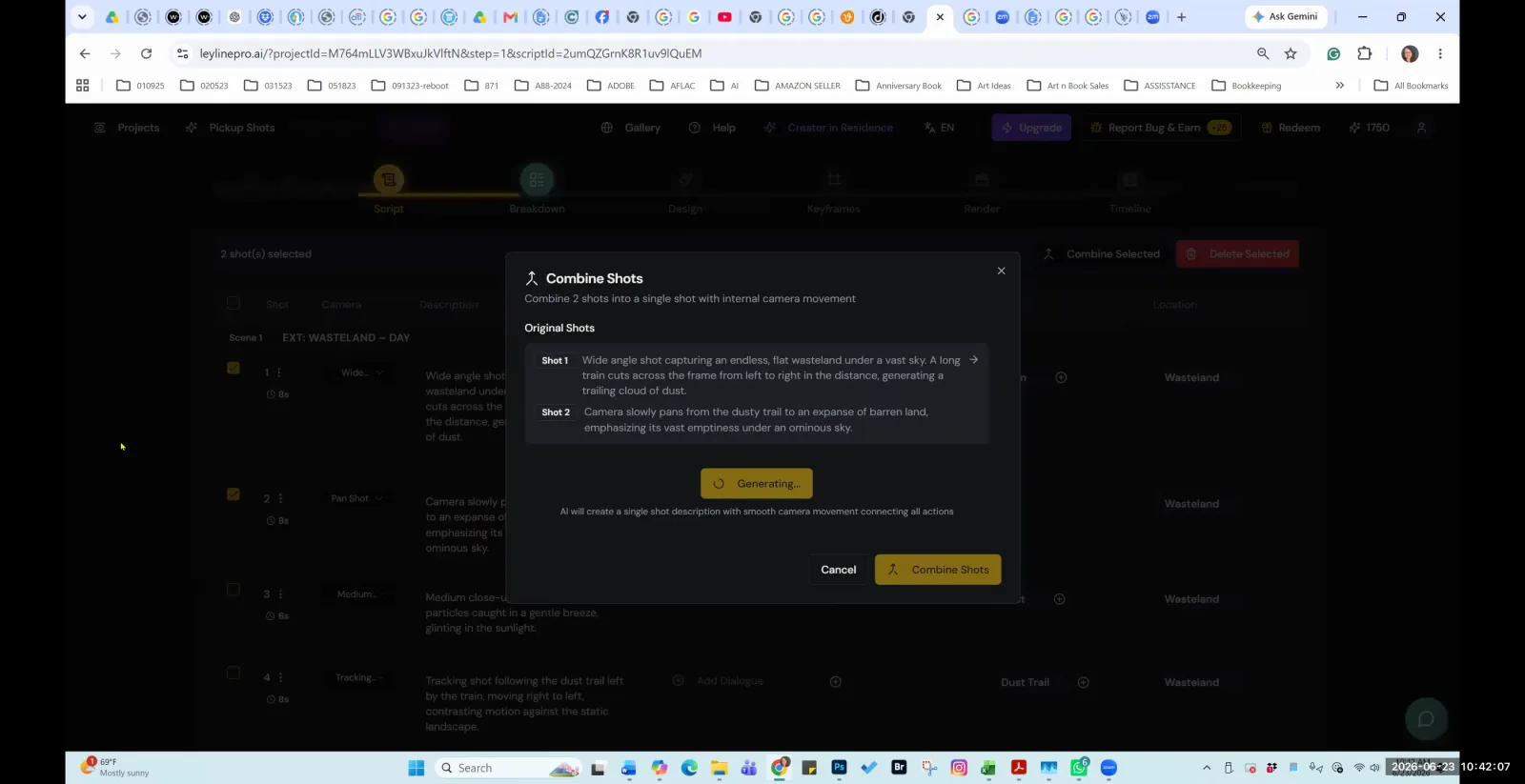
Learn why vertical drama apps templates are essential for AI filmmaking. This guide covers multi-script generation, workflow, and expert advice for creating vertical shorts.
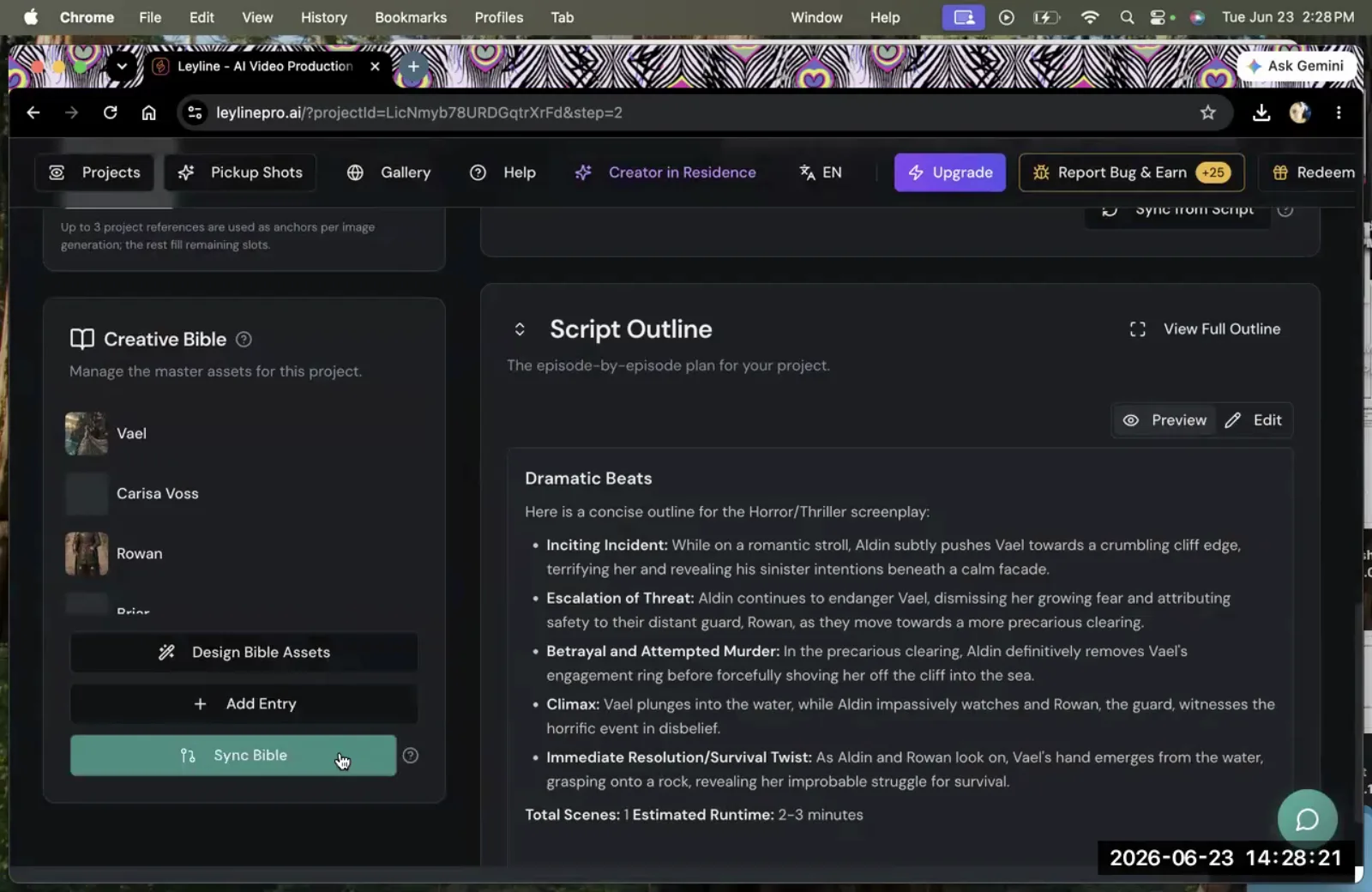
Learn the fundamentals of creative bible filmmaking to maintain asset consistency for characters, props, and locations in your AI-generated films.
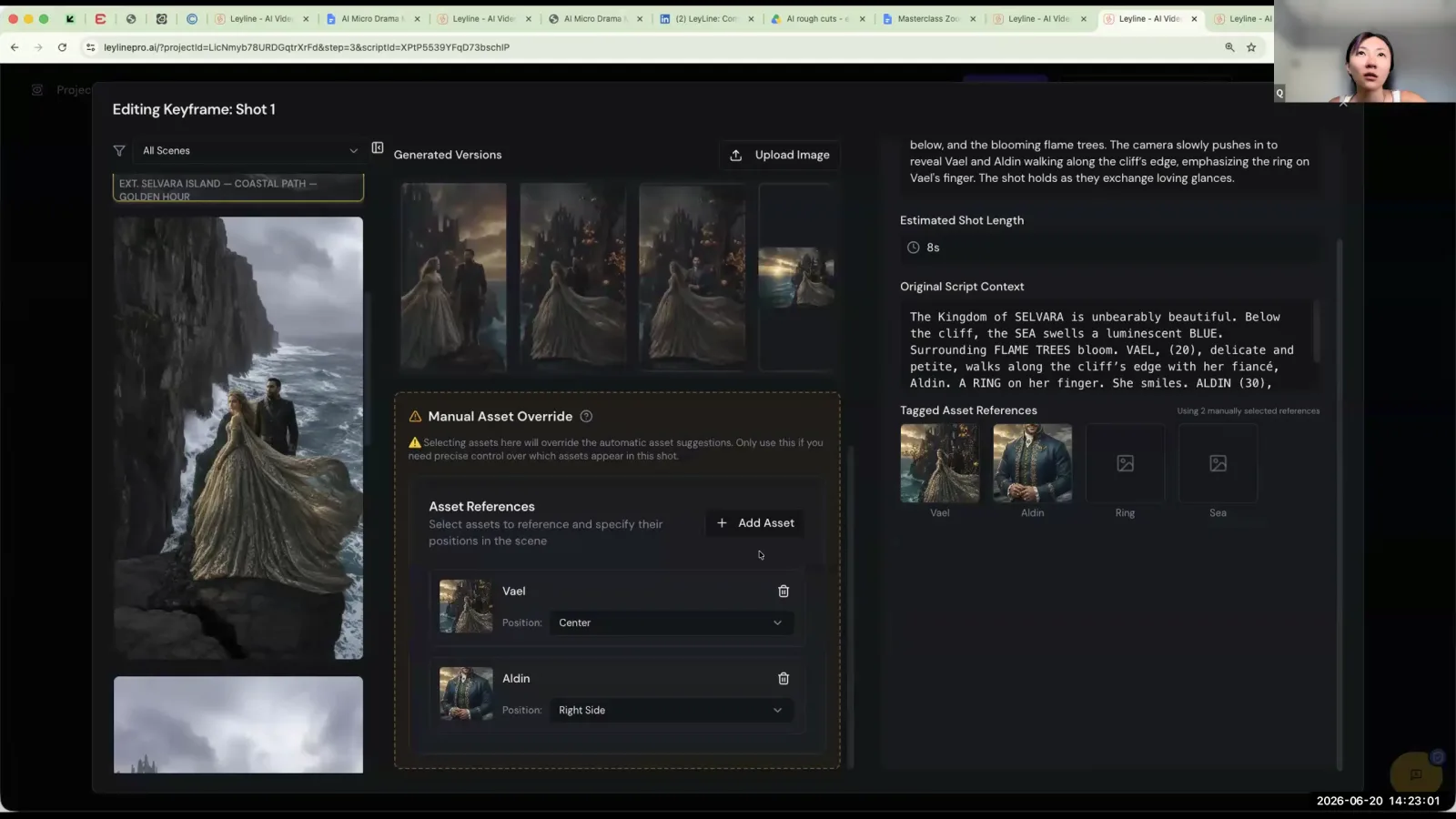
AI film hallucination explained: Learn what causes AI models to invent characters or plot points and how to control these deviations in your projects.
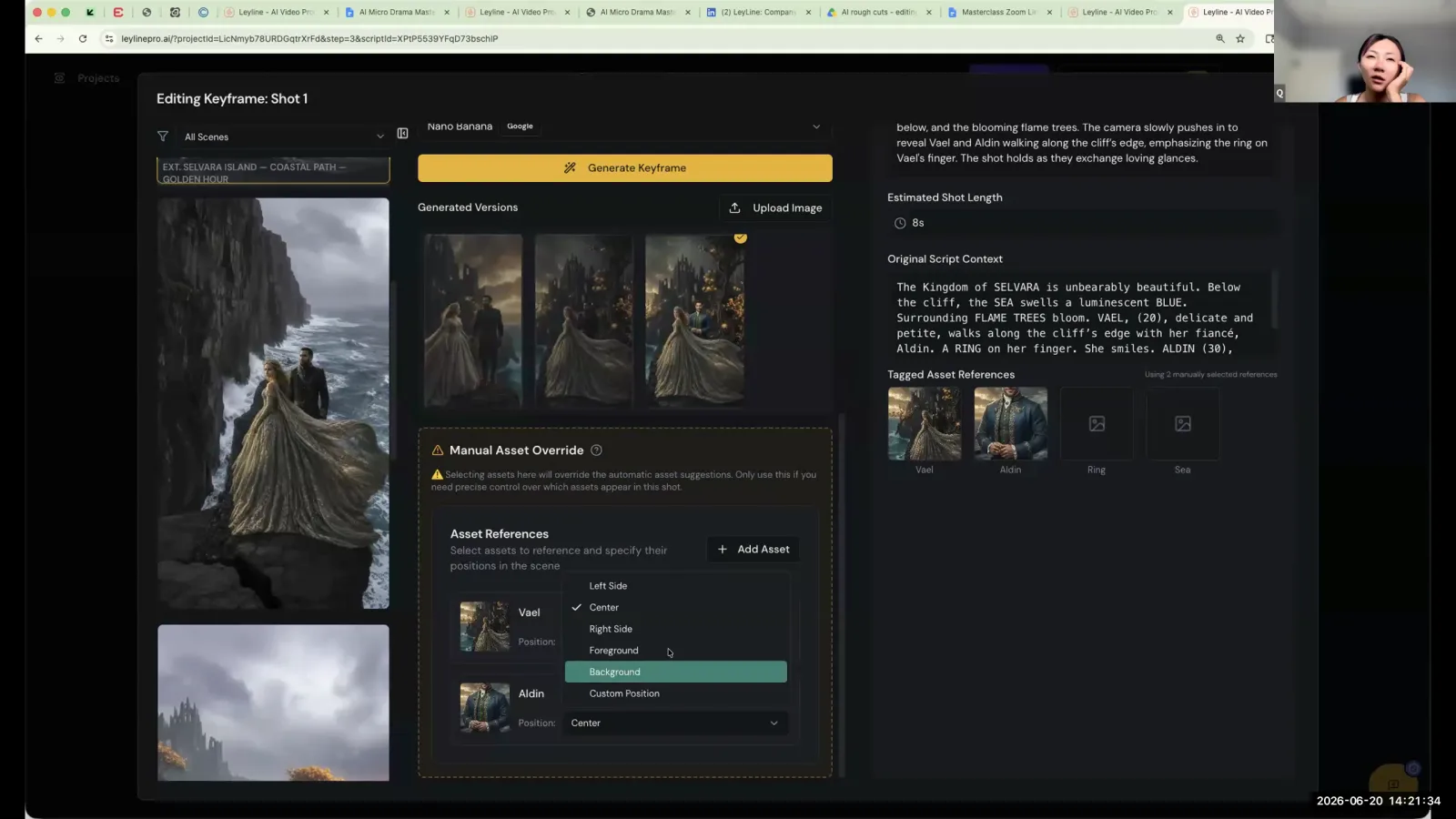
Master AI filmmaking with our expert AI video prompt guide. Learn to write precise prompts for better animation, character consistency, and shot control.
Learn how to write a synopsis AI filmmaking tools use to create consistent characters and compelling pitch decks. A step-by-step guide for creators.
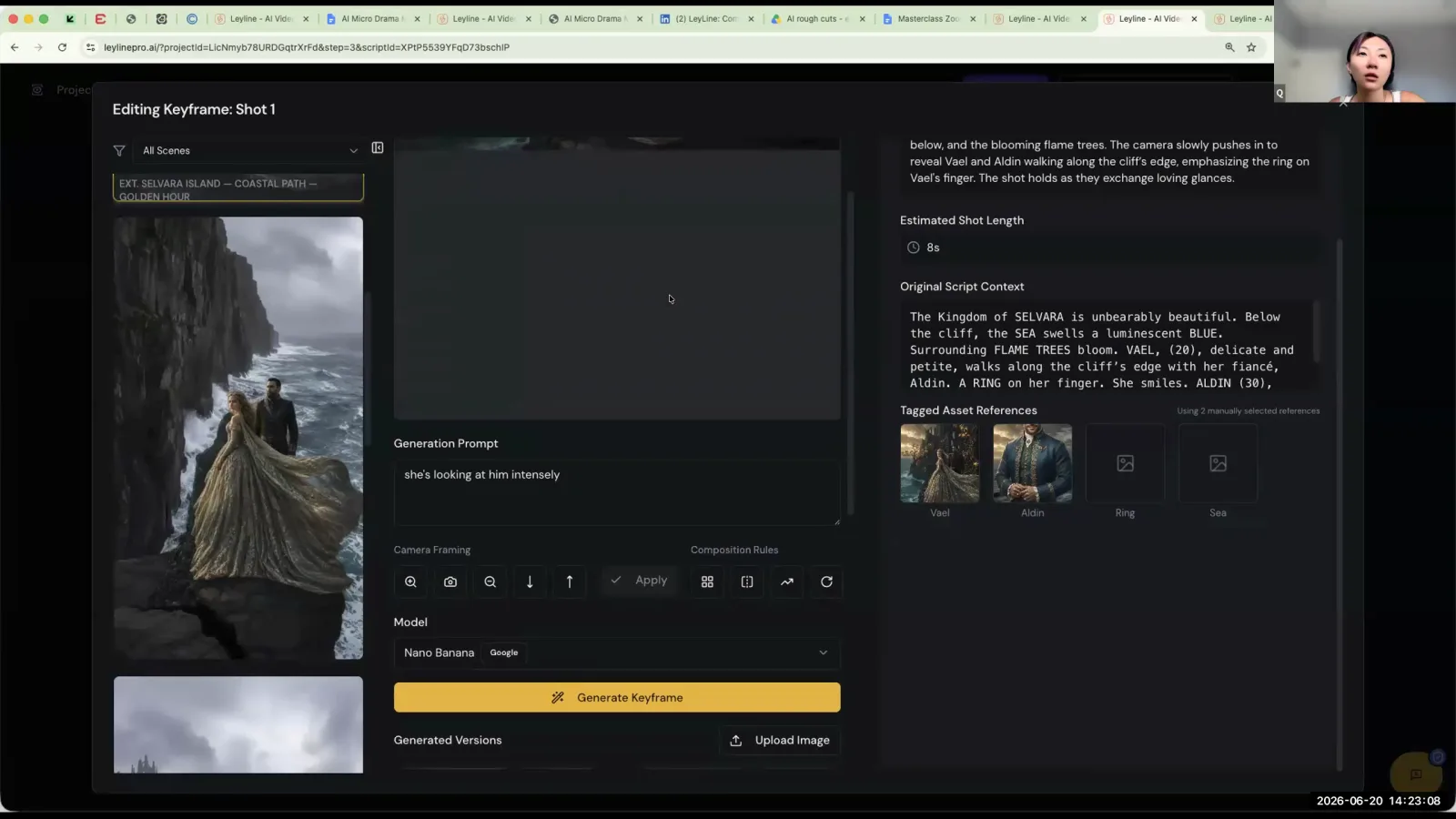
Learn the core workflow of the iterative process AI filmmaking. A practical guide on how to generate, review, and refine AI assets for consistent results.
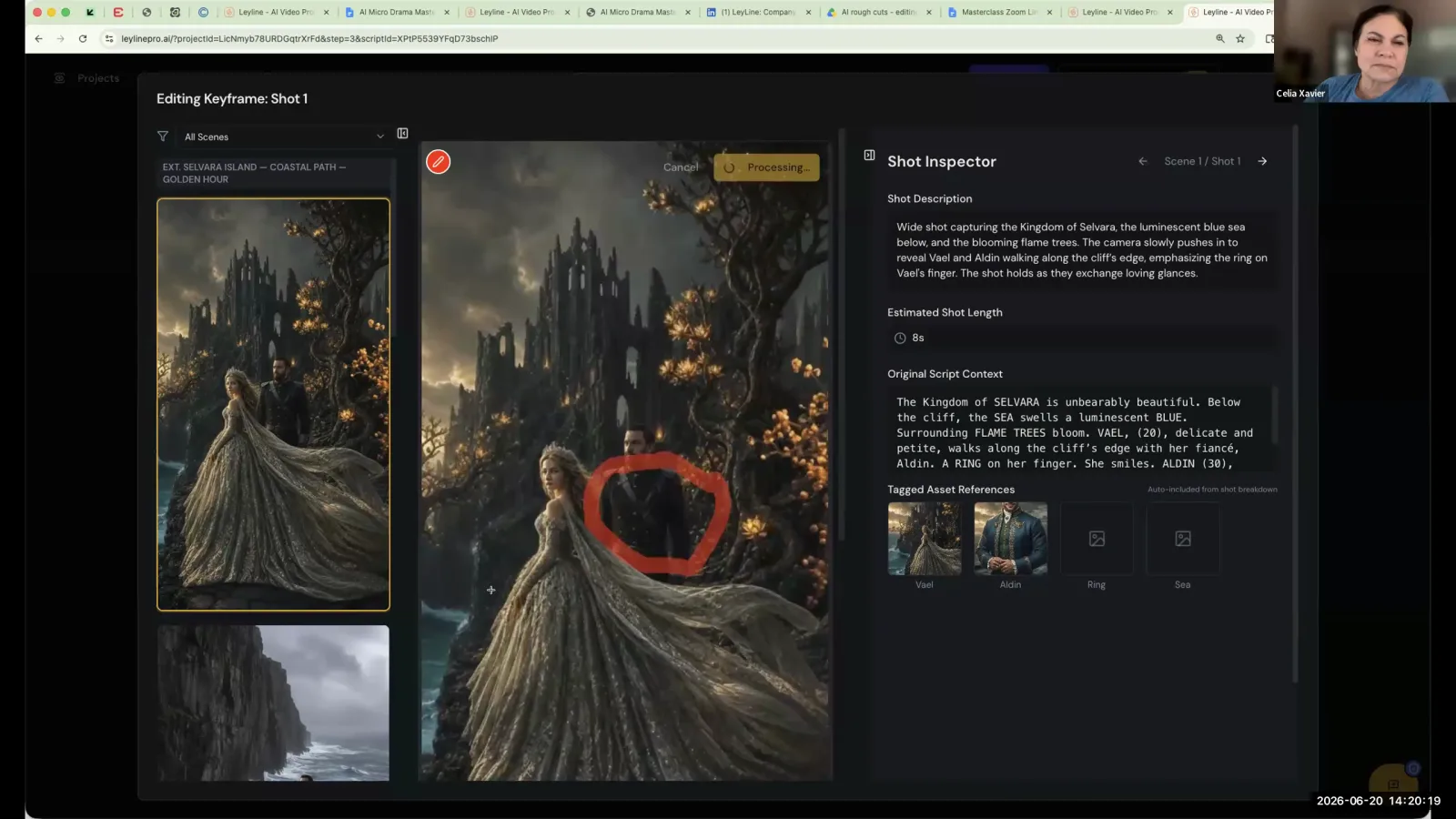
Learn the essentials of series bible AI filmmaking. This guide covers how to create, use, and pitch a series bible to guide AI tools effectively.
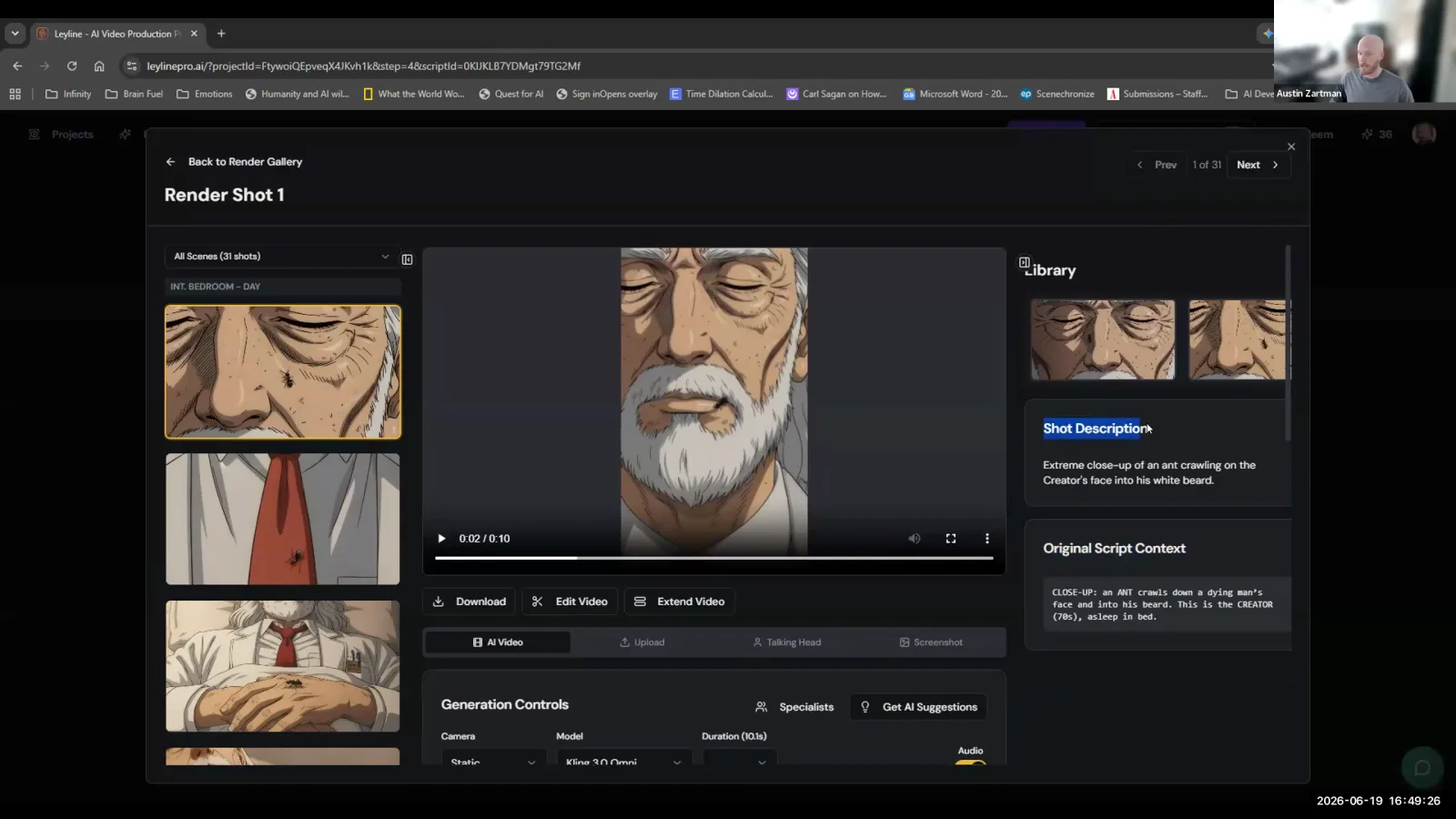
Discover the real AI video generator free cost. Learn why most platforms use credits and how to generate AI video affordably based on expert advice.
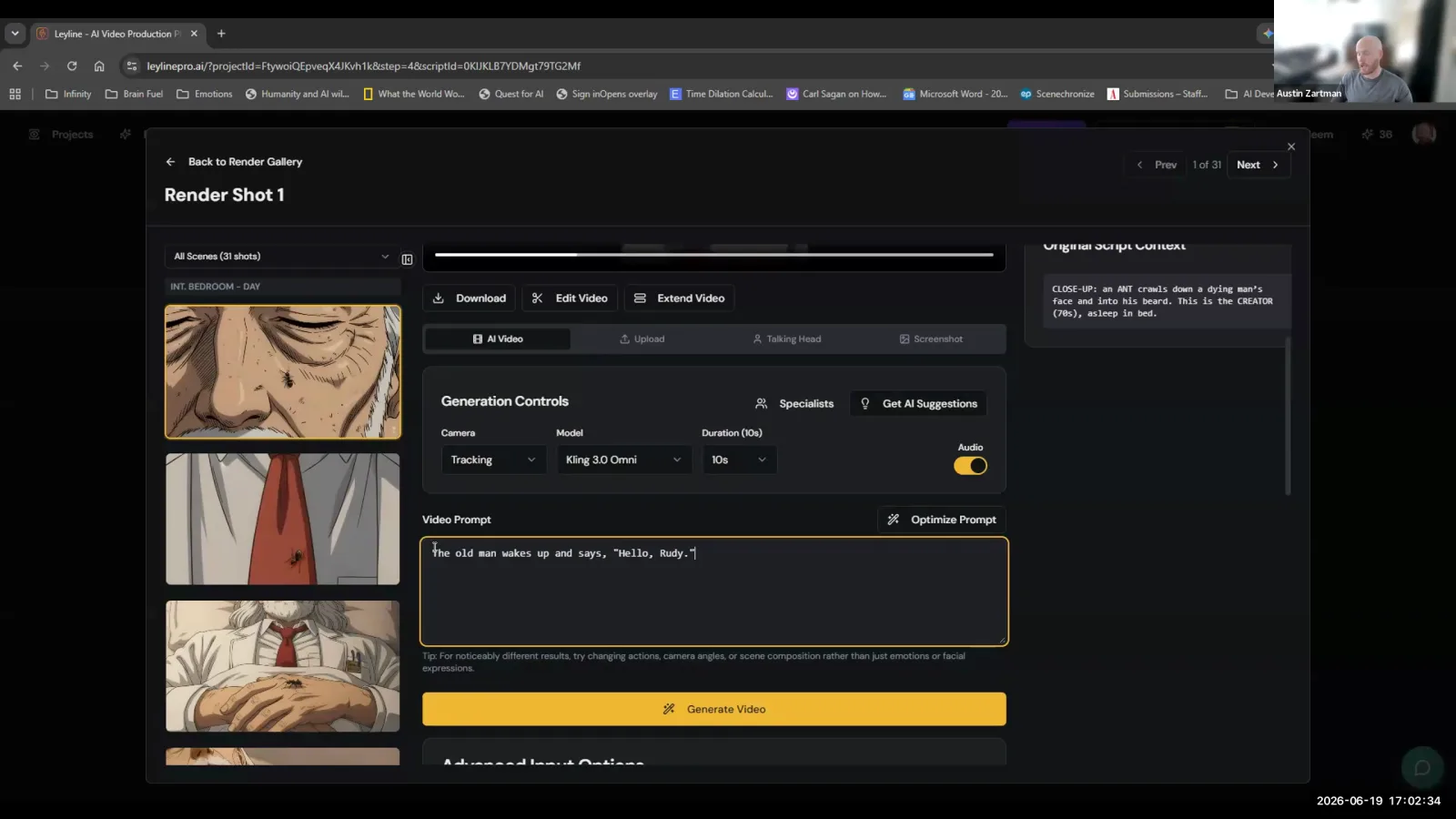
Learn how to create a complete short film with AI using this step-by-step guide. From keyframes to rough cuts, master the AI filmmaking workflow.
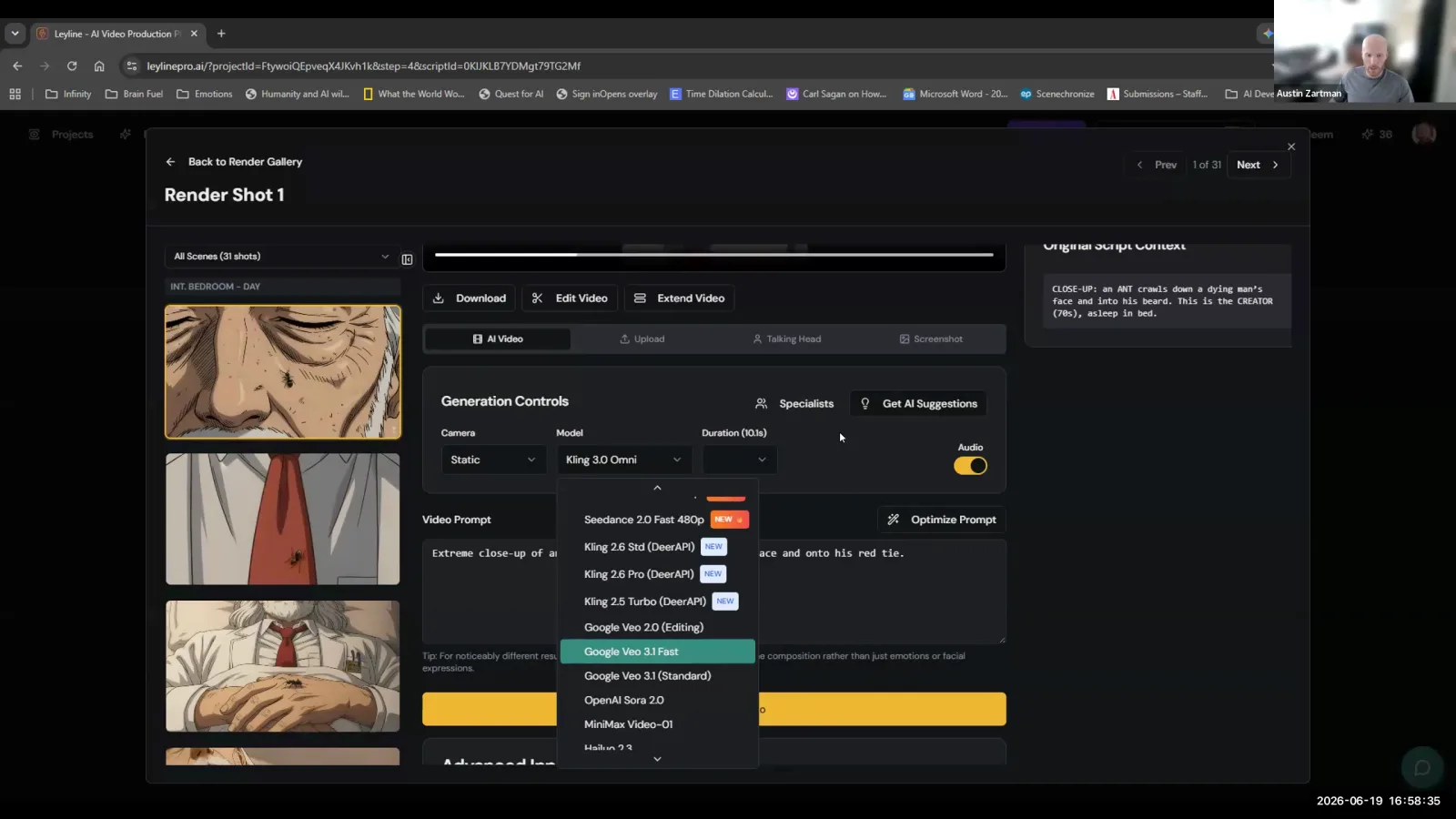
Our comprehensive use ai in filmmaking guide covers expert tips on prompting, choosing the right AI model, and editing AI video for professional results.
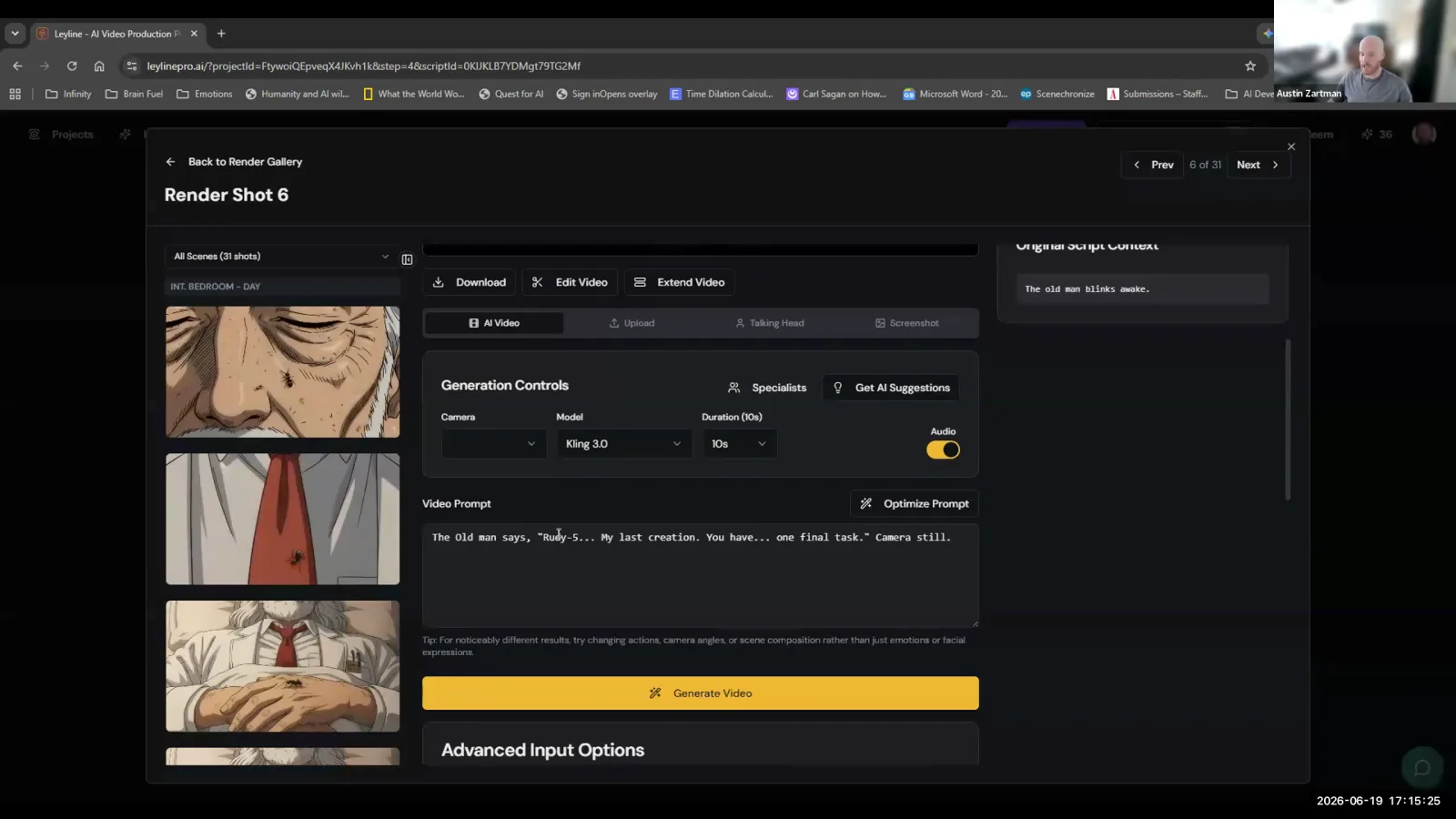
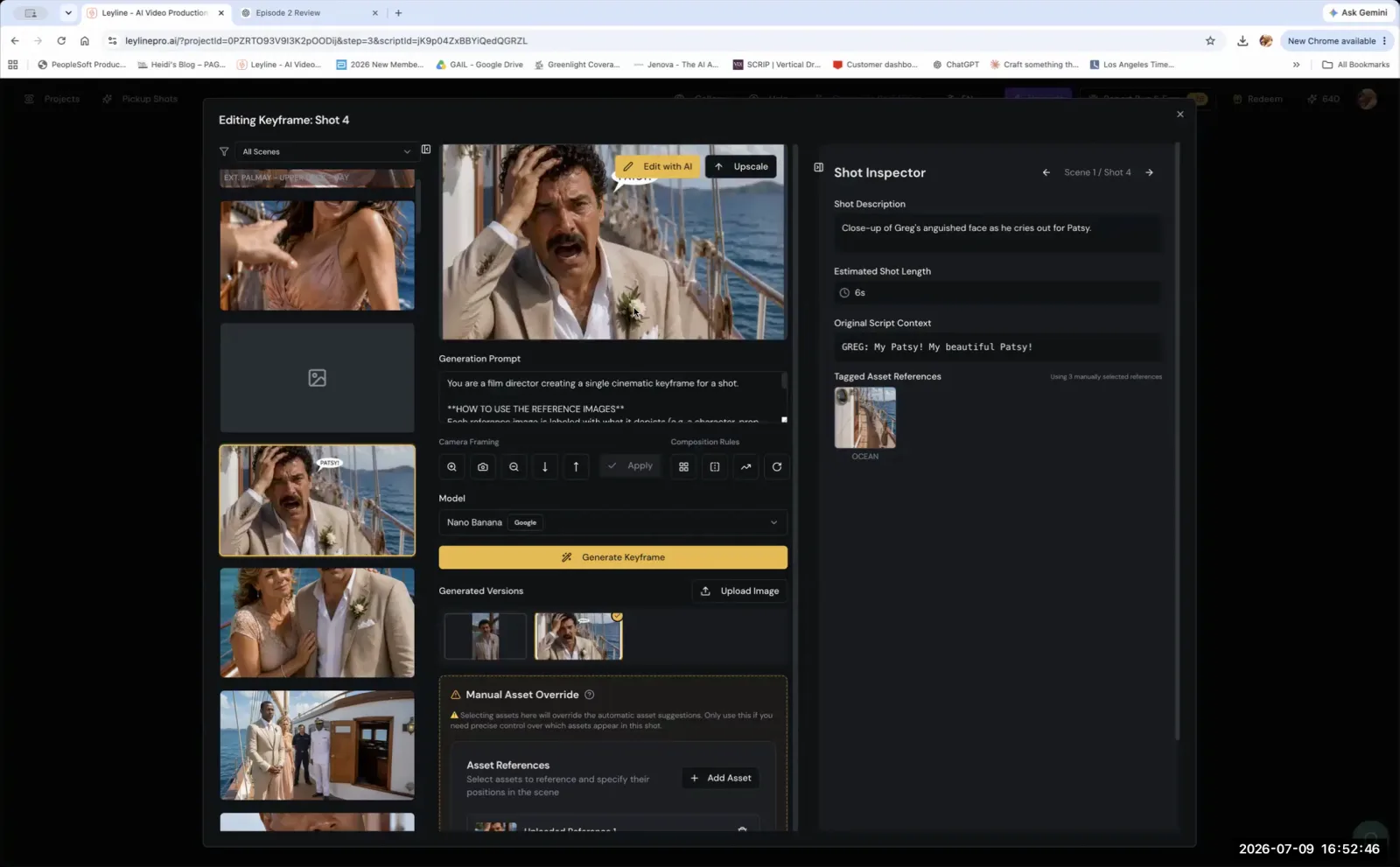
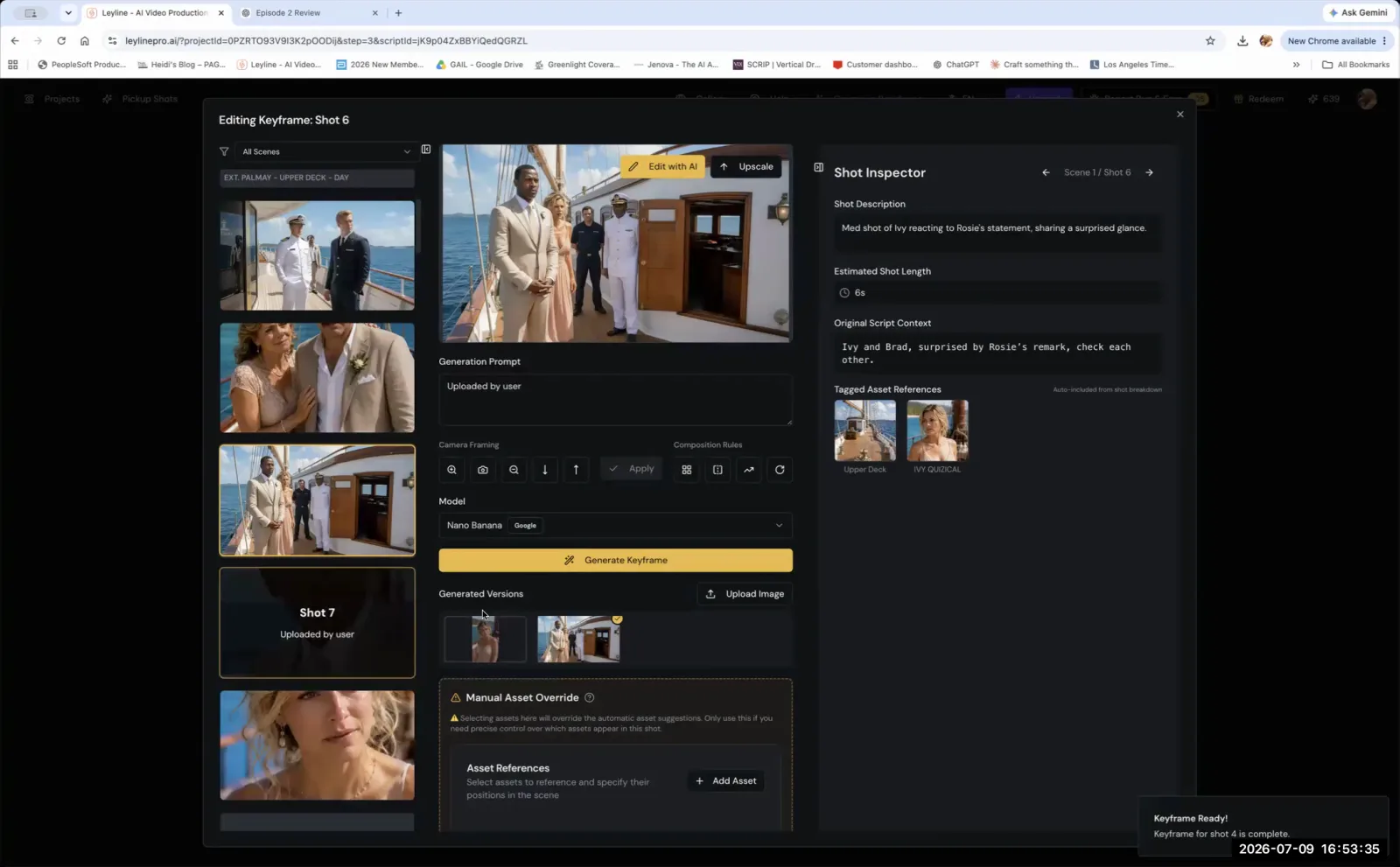
Learn what keyframes are in AI filmmaking and why they are critical for consistency and control. This guide on keyframes explained AI filmmaking covers workflow.
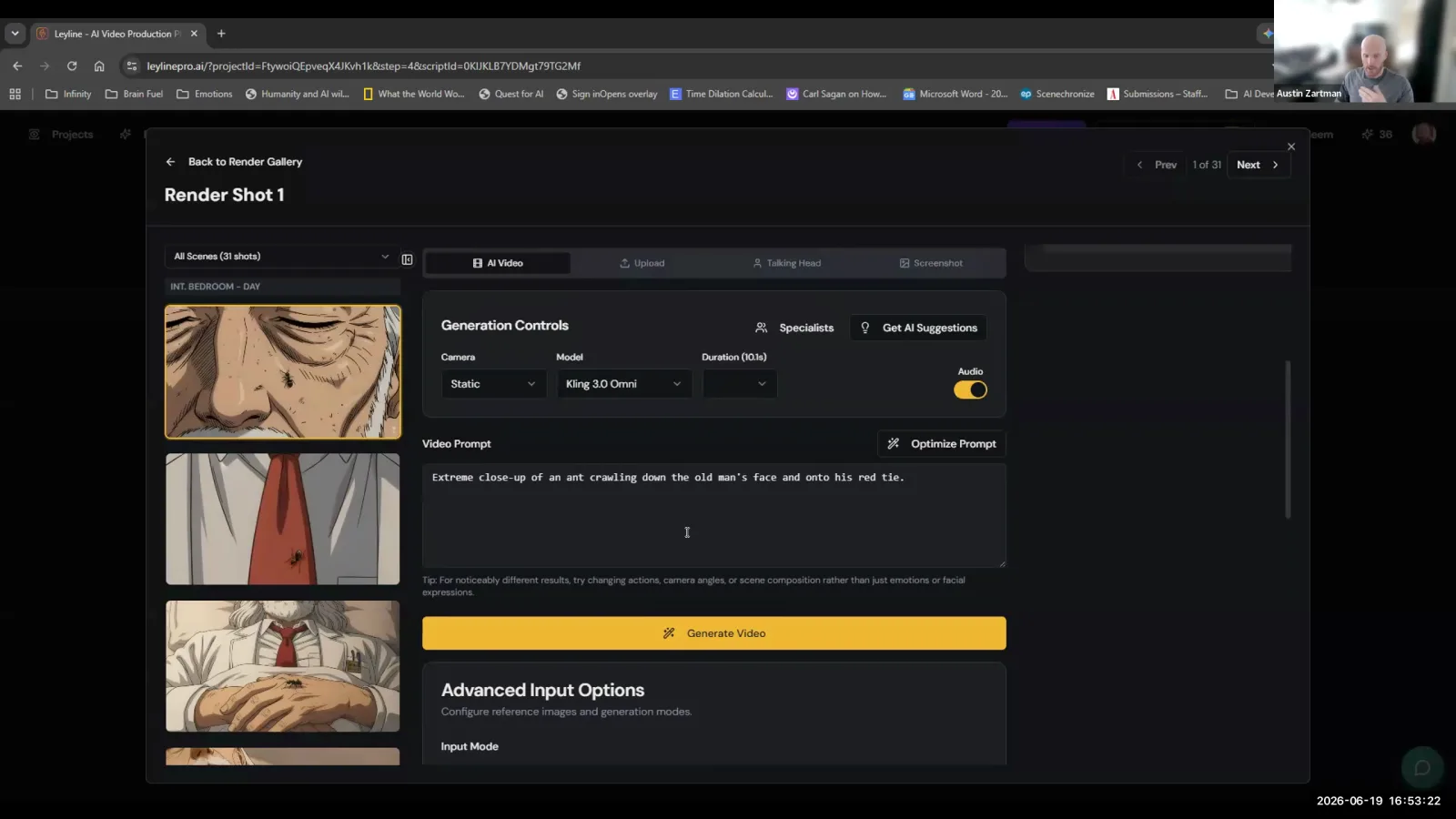
Learn the best practices for using text to video AI, from writing effective prompts to choosing the right models. An expert guide for practical AI filmmaking.
Learn why the AI filmmaking platform Layline is the best tool for episodic series, with tips from creator Austin Zartman on workflow and asset management.
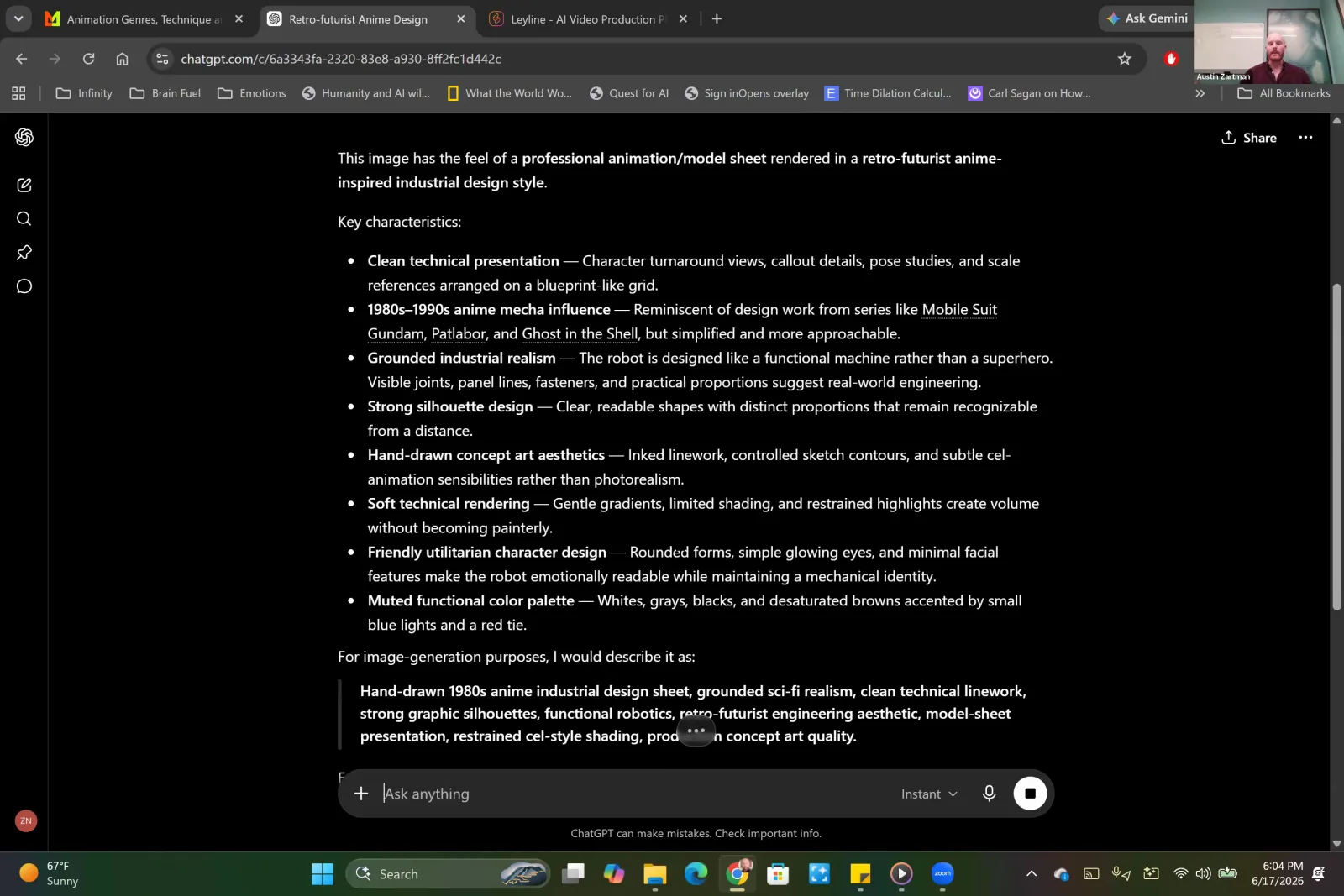
Learn how AI used in movies transforms scripts into visuals. This guide covers character generation, image refinement, and the tools filmmakers use.
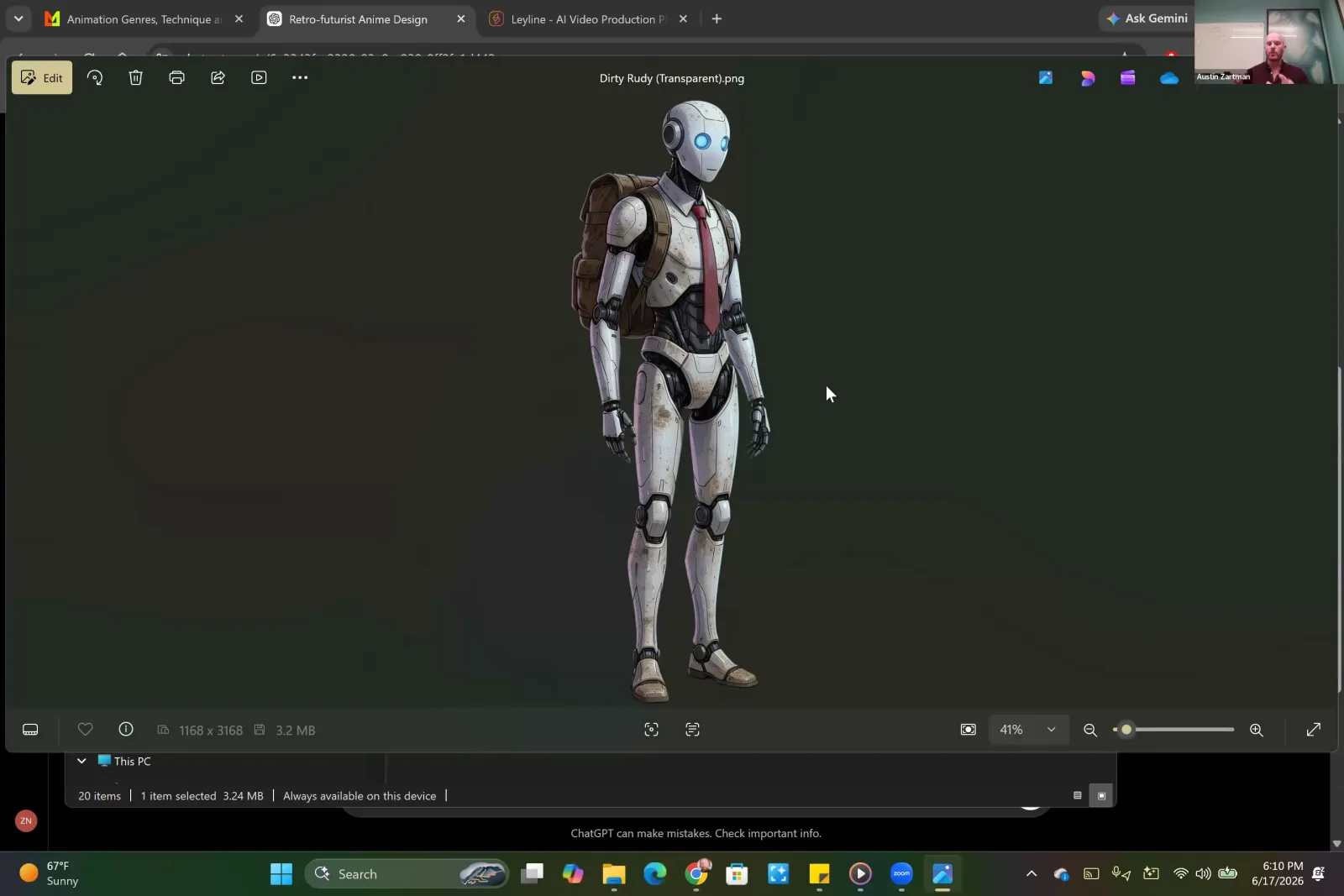
Understand the key frames meaning AI filmmaking. Learn how these foundational images guide AI video models to create consistent, high-quality shots.
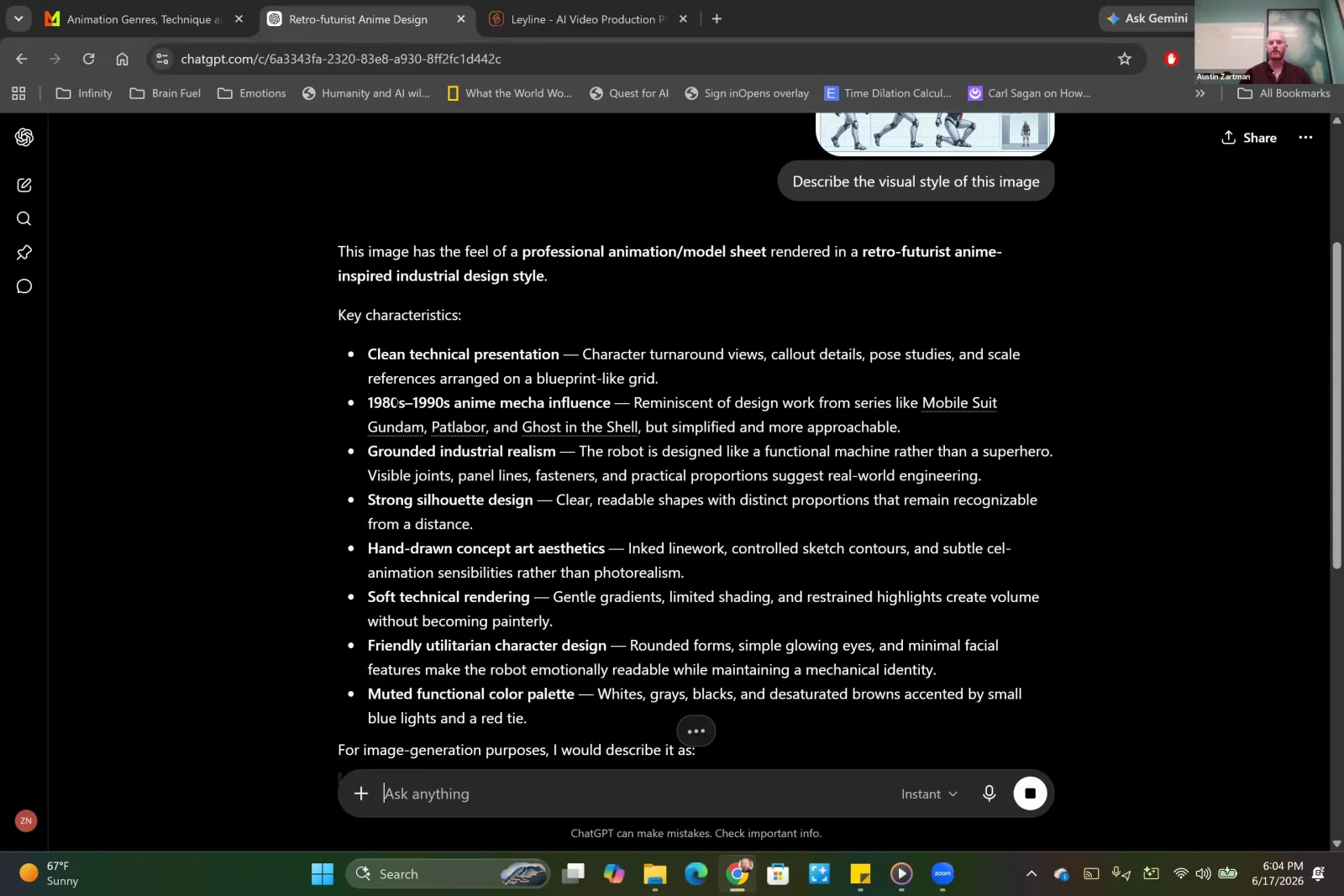
Learn to use the point of view POV shot to control narrative and emotion. This guide covers camera techniques, AI prompting, and expert advice for filmmakers.
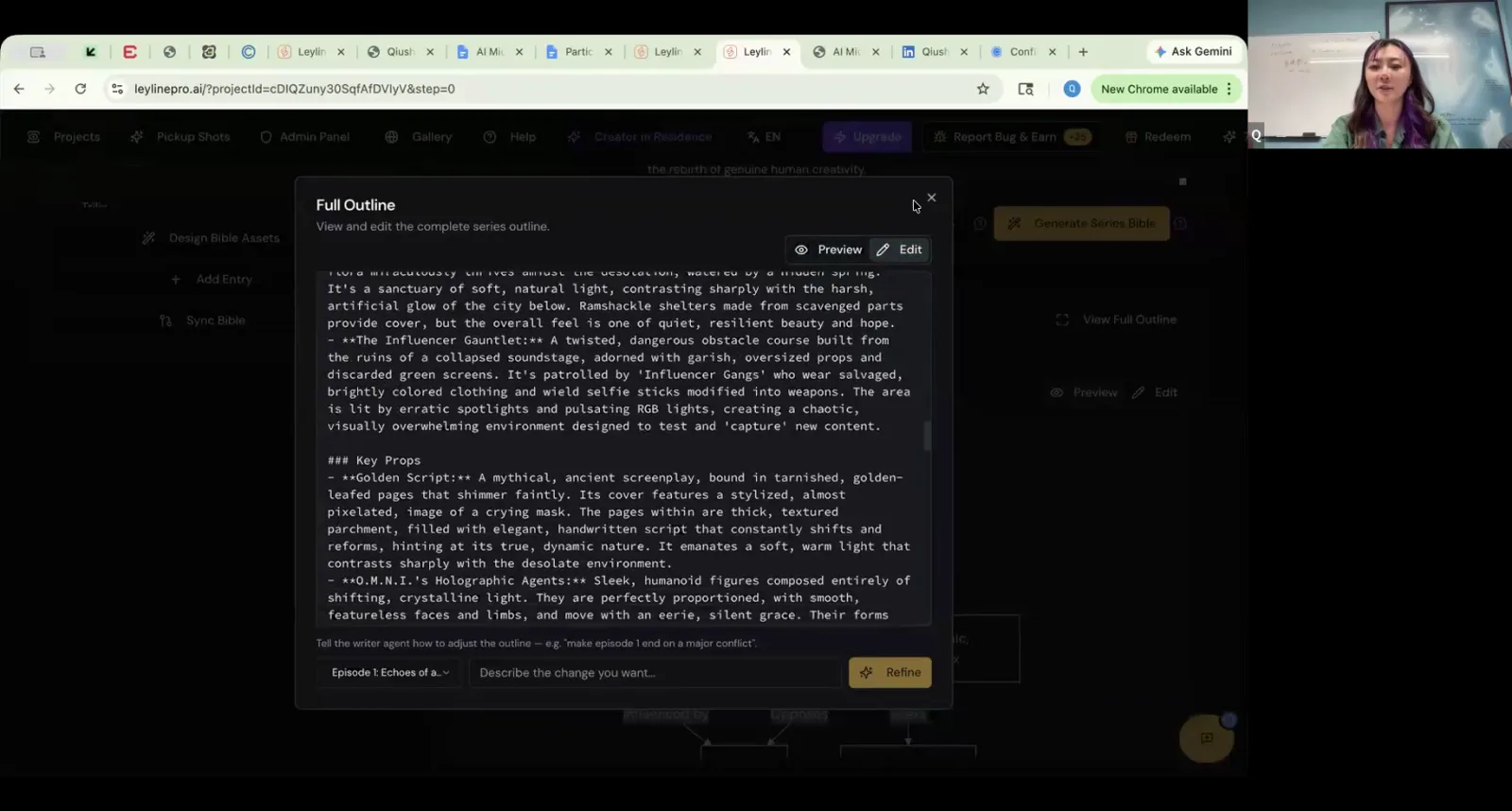
Learn the essentials of AI filmmaking development pre production, from story structure to practical workflows, with tips from filmmaker Austin Zartman.
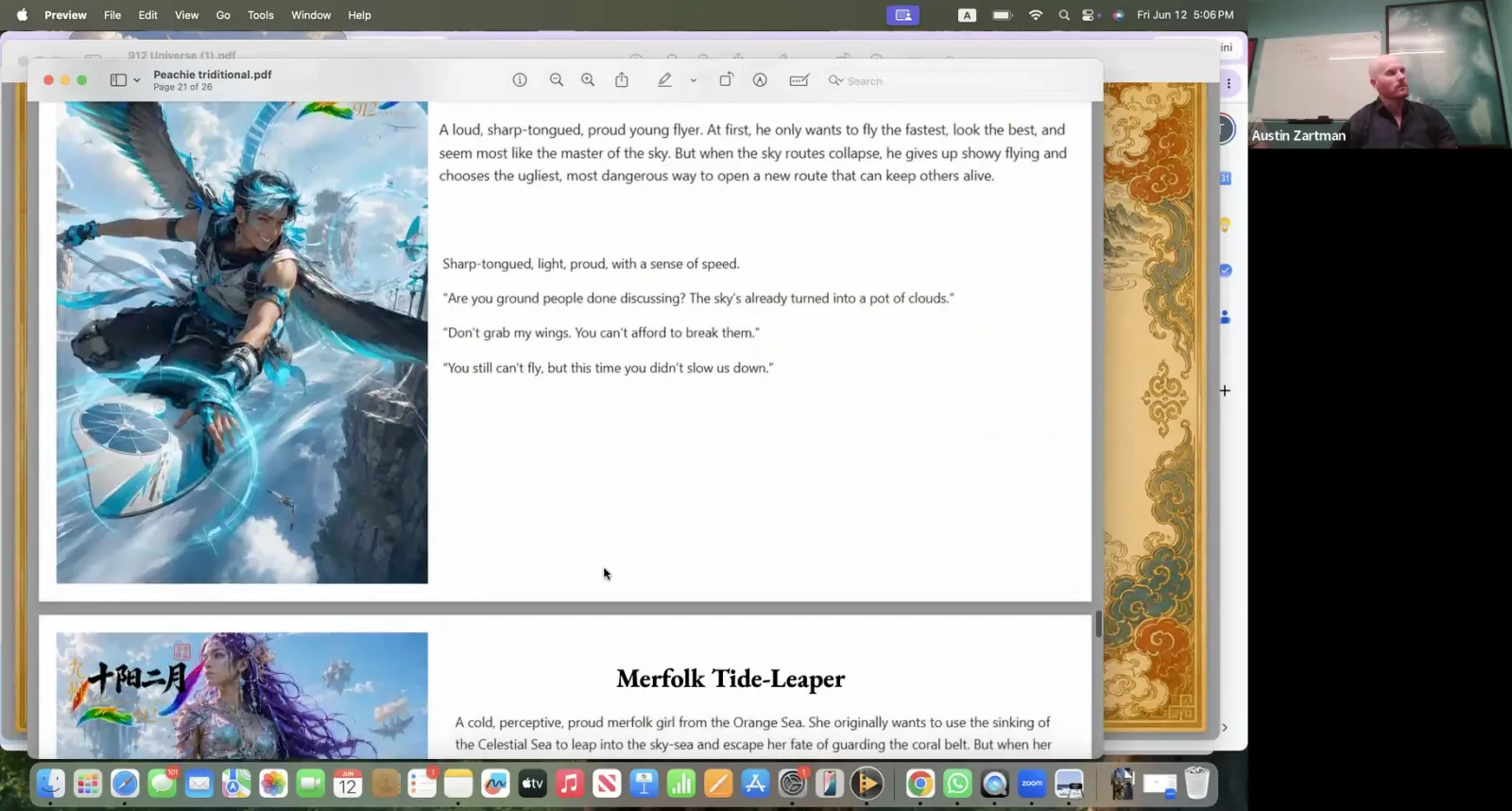
Explore the key AI video generator strengths and limitations, from large-scale world-building to character consistency. Learn expert tips for controlling AI video output.
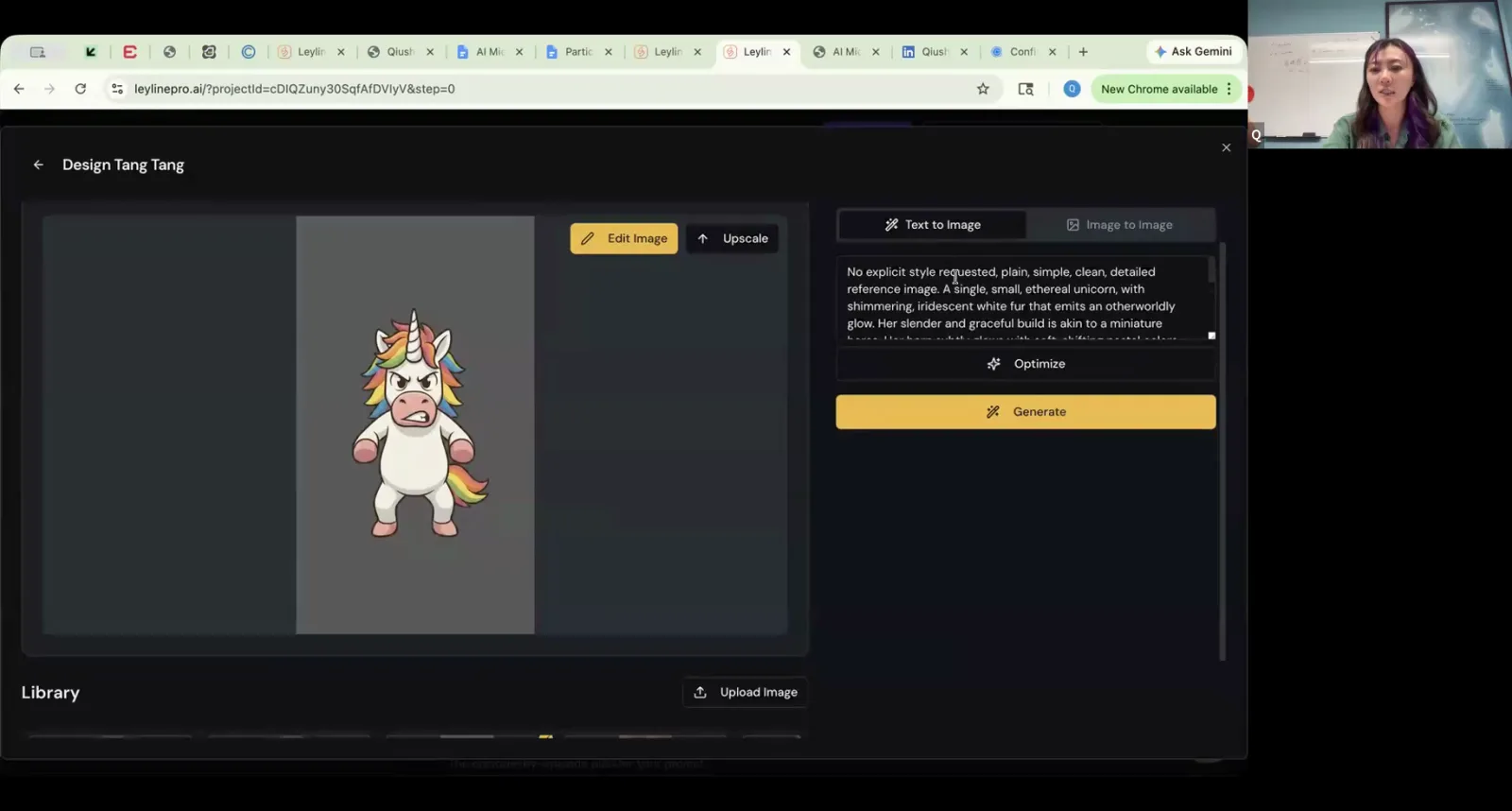
A series bible is a foundational document that provides a high-level overview of a show. AI filmmaker Austin Zartman explains it's a 'North Star' for production.
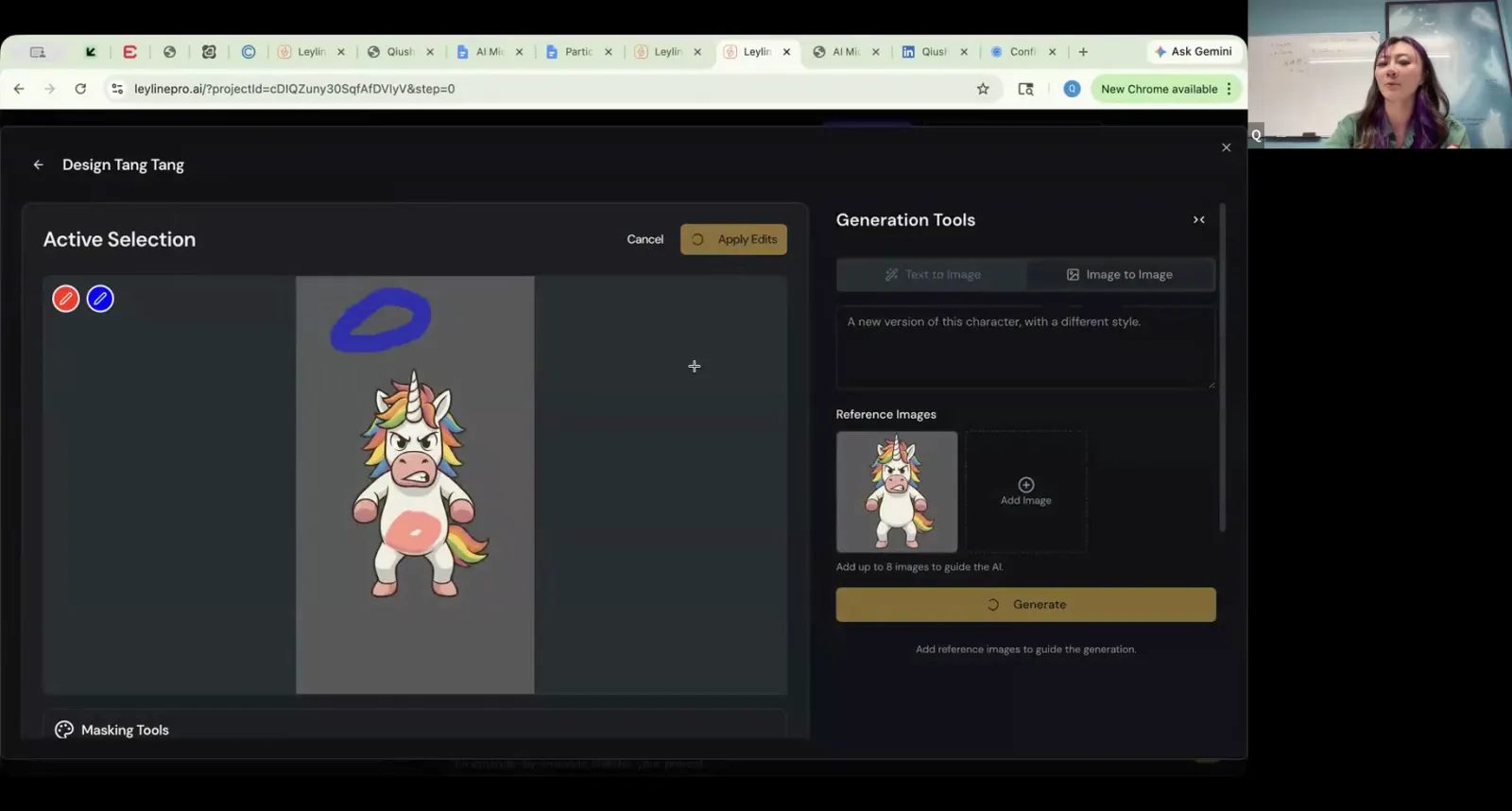
Learn the core principles of intellectual property filmmaking IP. Build a generative universe for your stories, distinct from a single script or film.
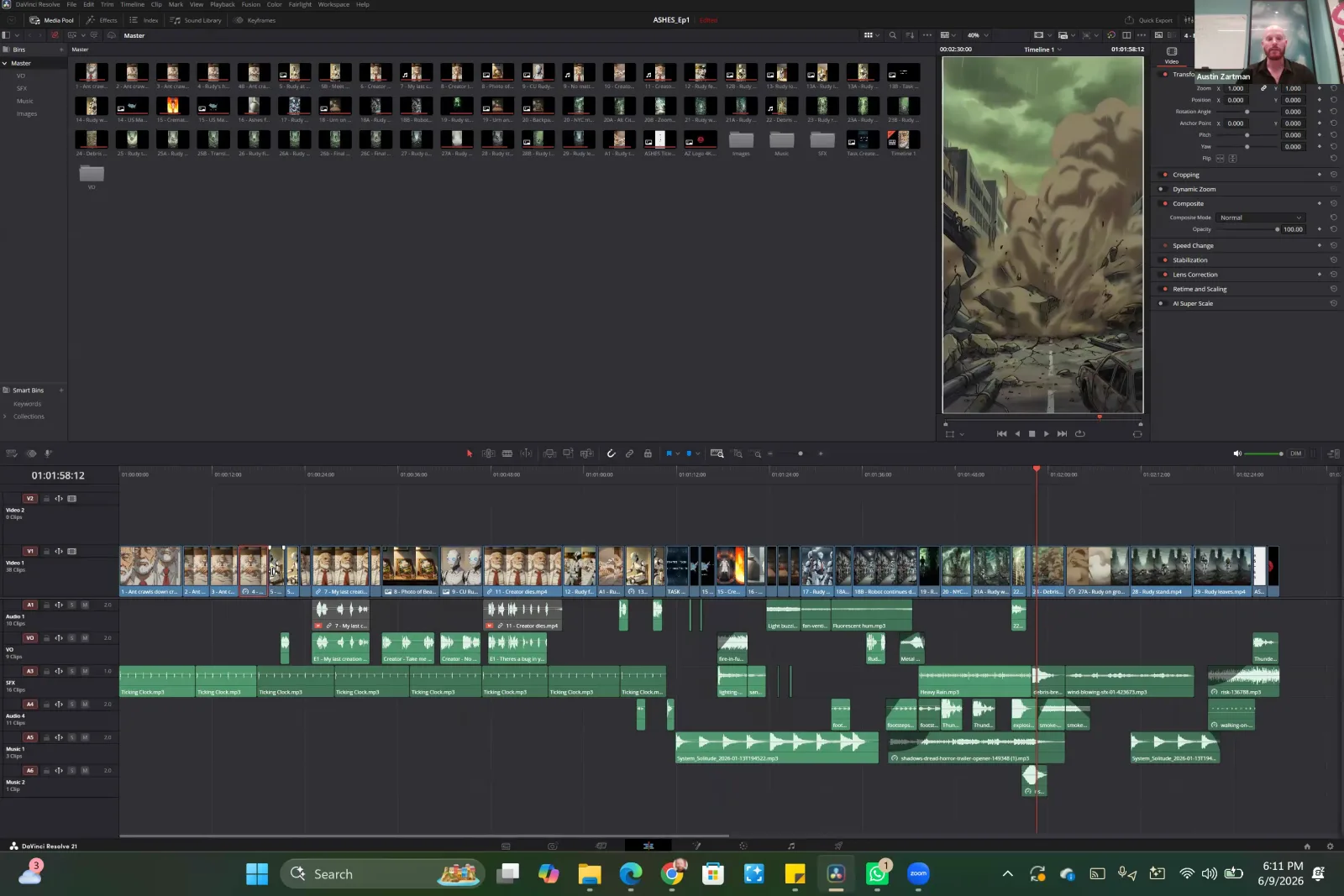
Explore the essential AI filmmaking course curriculum tools. This guide breaks down the workflow, models, and software taught in modern AI filmmaking courses.
Learn how to start AI filmmaking free. This guide covers the best no-cost tools for writing, editing, and sound design, with tips from an expert.
Learn the crucial differences in horizontal vs vertical storytelling. This guide covers narrative structure, pacing, visuals, and business models for filmmakers.
Explore 11 concrete vertical storytelling examples across romance, dark comedy, and branded content. Learn to structure scenes for mobile-first audiences.
Vertical storytelling is a narrative format using short, bite-sized episodes to tell a feature-length story. Learn the core rules for hooks, turns, and cliffs.